
Boutique Hotel vs. Chain Ballroom: Which Delivers Better Value for 120 Guests?
For 120 guests, a boutique hotel presents charm and personalized service but at a higher base cost of $2,000–$5,000, with potential hidden fees. Chain ballrooms furnish standardized services, generally at lower prices, yet with surprise add-ons. If customization and intimacy are your top priorities, go boutique. For budget certainty and capacity, chain ballrooms win. Deal with surprise costs either way, but lean towards what fits your priorities best. Curious about the nitty-gritty details?
Quick verdict: boutique hotel vs chain ballroom for 120 guests
Let’s cut to the chase: when you’re planning an event for 120 guests, the choice between a boutique hotel and a chain ballroom boils down to what you value more—intimacy or magnificence. Boutique hotel ballrooms present charm with historic architecture and intimate spaces, ideal for a cozy vibe. Meanwhile, chain hotel wedding venues supply grandeur with expansive, open-plan layouts and high-tech facilities.
- Boutique venues furnish flexible space configurations, creating a personalized experience.
- Chain ballrooms provide large, unobstructed spaces for a more formal gathering.
- Boutique vs chain wedding decisions often hinge on desired atmosphere and service style.
- Boutique venues integrate accommodation, reducing logistical headaches; chain options might mean separate bookings.
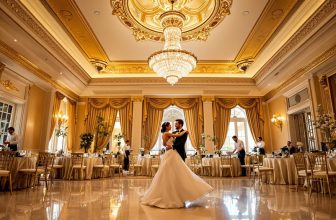
- The Ballroom’s crystal chandeliers and semi-precious stone pillars offer a unique level of elegance that can elevate any event experience.
Choose wisely—your guests will remember.
At-a-glance comparison: pricing, minimums, fees, inclusions, and service
When it comes to choosing between a boutique hotel and a chain ballroom for your event, the devil’s in the details. The boutique ballroom value often shines through with personalized touches, yet the chain hotel wedding cost presents consistency. Boutique hotels often provide opportunities for cultural immersion, offering guests a unique experience that reflects the local culture. Here’s a quick hotel venue comparison:
| Aspect | Boutique Hotel | Chain Ballroom |
|---|---|---|
| Pricing | Variable, often higher | Standardized, sometimes lower |
| Minimums | Flexible | Set, non-negotiable |
| Fees | Hidden costs possible | Transparent but numerous |
| Inclusions | Tailored packages | Pre-defined bundles |
| Service | Personalized, intimate | Efficient, standardized |
Boutique hotels may charm you with their distinctive flair, but chain ballrooms might save you from surprise costs. Weigh these factors carefully to see which aligns with your event priorities.
Decision criteria: what ‘better value’ means for your priorities
How do you determine what ‘better value’ means for your event? It’s all about your priorities. Does personalized service at a boutique hotel speak to you, or do you prefer the reliable uniformity of a chain ballroom wedding?
- Event Capacity: Can a boutique ballroom handle your 120 guests comfortably, or is it stretching space like a too-small sweater?
- Service Personalization: Do you want the intimate touch of an independent hotel ballroom or the predictable, no-surprises service of a chain?
- Amenities: Boutique hotels often offer unique stays with unexpected amenities that can enhance your event experience.
- Pricing Transparency: Would you choose a straightforward boutique ballroom value or itemized, negotiable rates from a chain?
Ultimately, it’s your call. Choose wisely.
Boutique hotel deep dive: strengths, weaknesses, and pricing traps
When you’re weighing the pros and cons of choosing a boutique hotel for your wedding, it’s vital to contemplate both the charm and the potential pitfalls. Sure, these venues present a distinctive atmosphere and personalized service, but hidden fees and strict catering minimums can quickly add up. Urban venues, for example, are known to command higher prices due to real estate costs, which can significantly impact your budget. Before committing, let’s break down exactly what’s at stake.
- Pros for Couples: Customizable spaces and personalized attention generate a one-of-a-kind, memorable experience.
- Cons for Couples: Hidden charges like AV fees and service taxes can inflate your budget faster than an overfilled balloon. It’s crucial for couples to be aware of potential deduction opportunities related to venue expenses, which can help manage costs.
- Best For: Couples seeking a singular, intimate setting with flexible vendor options.
- Not For: Those on a tight budget who prefer straightforward pricing and inclusivity over charm.
Pros/cons for couples
Planning a wedding at a boutique hotel offers a distinctive charm but comes with its own set of challenges. You’ll relish exclusive venue control and privacy, transforming the entire space into your personal wedding haven. However, be prepared for rigid booking minimums and potential financial risks if guest rooms go unfilled. The intimacy of a boutique hotel allows for personalized touches—forget the cookie-cutter packages of chain ballrooms. But, limited capacity might force some guests to stay elsewhere, adding a logistical headache. Consider these points:
- Exclusive use: Enjoy uninterrupted access to all amenities.
- Customization: Tailor decor and menus to your vision.
- Booking risks: Unfilled rooms mean extra costs.
- Capacity constraints: Room shortages can complicate guest logistics.
In regions like Napa Valley, wedding hotel blocks may be priced higher than expected compared to corporate blocks, adding another layer to your financial considerations.
Best for / not for
Why choose a boutique hotel for your wedding? Well, if you’re all about customization, it’s a no-brainer. Boutique hotels let you take the reins on décor, timing, and the overall vibe, unlike those cookie-cutter ballrooms. But, watch out for capacity issues and hidden fees that can sneak up on your budget.
- Customization Overload: You’re in charge of every detail, from the flowers to the flow of the day.
- Space Constraints: With only 20–50 rooms, guest accommodations can get tricky. Boutique Inns often offer a homey atmosphere and the option for a full buyout, giving you exclusive use of the venue.
- Pricing Gotchas: A three-night stay might be required, even if you only need one.
- Seamless Events: All wedding activities can happen on one property, making logistics a breeze.
Chain ballroom deep dive: strengths, weaknesses, and pricing traps
You’re thinking about booking a chain ballroom for your wedding, but is it truly the best value? Sure, they provide consistency and a tried-and-true formula, but you might find yourself caught in a web of hidden fees and lackluster service. Let’s break it down so you don’t end up with surprises on your big day.
- Strengths: High capacity, experienced staff, and all-inclusive packages can streamline planning. In 2026, over 60% of engaged Gen Z couples are prioritizing sustainability and inclusivity in their venue selection, which may not always align with the traditional offerings of chain ballrooms. If you encounter any issues with unexpected charges or service, you can file a complaint with the FTC to address consumer protection concerns.
- Weaknesses: Often lack character and come with impersonal service.
- Pricing traps: Beware of mandatory add-ons that inflate the bill.
- Best for: Couples prioritizing tradition and convenience over individuality.
Pros/cons for couples
When it comes to choosing a venue for your wedding, chain ballrooms might appear to be the convenient, all-in-one dream package. Sure, they provide everything under one roof. But are you ready to traverse the hidden fees and restrictive rules?
- Surprise Fees: Cake-cutting fees and service charges can sneak up, adding hundreds to your bill.
- Rigid Packages: Want personalized décor? Be prepared to pay extra for breaking out of their standard packages.
- Vendor Lock-in: Preferred vendors can limit your choices and inflate costs.
- Overtime Charges: Events running late? Expect $200-$500 per hour in additional fees.
These ballrooms promise ease, but traversing their pricing traps can be anything but dreamy. Many ballrooms have structured environments that help maintain order and organization throughout the event. Choose wisely to avoid post-wedding sticker shock.
Best for / not for
Chain ballrooms might seem like the perfect solution for hosting a wedding, showcasing a blend of convenience and brand reliability. But are they really the best bang for your buck? Sure, you know exactly what you’re getting—cookie-cutter spaces and all. Yet, dig deeper, and you might find some hidden surprises.
- Predictable Fees: Sounds safe, right? Until those “optional” add-ons start stacking up.
- Vendor Limitations: Want a specific caterer? Too bad. Chain policies often limit outside vendors.
- Standardized Service: Reliable but lacking the personal touch boutique hotels provide. A unified venue offers greater likelihood of full attendance at both the ceremony and reception, enhancing the overall guest experience.
- Size vs. Intimacy: Great for large gatherings, but can feel impersonal for 120 guests.
Scenario recommendations: pick boutique if… pick chain if…
If you’re juggling the decision between a boutique hotel and a chain ballroom for your 120-guest wedding, there’s more at stake than just the venue’s charm. Boutique hotels provide a personalized touch and distinctive surroundings, while chain ballrooms bring predictability and often, better deals for larger events.
- Pick boutique if you crave an intimate atmosphere and personalized service that ensures each guest feels exceptional. Boutique hotels are known for their unique design and local character, offering a memorable experience that reflects the personality and vision of their owners.
- Choose chain if you value consistency and a straightforward package deal that minimizes stress.
- Opt for boutique when creativity in décor and menu options are at the top of your wish list.
- Go with chain if you need dependable technical assistance and a space that can handle any last-minute changes without a hitch.
Decision matrix: cost certainty, guest experience, and negotiation leverage
While the choice between a boutique hotel and a chain ballroom might seem straightforward, the devil’s in the details when it comes to cost certainty, guest experience, and negotiation advantage. Chain hotels present cost predictability—think standard rates and loyalty discounts. Boutiques? They’re flexible but pricier, thanks to limited rooms and tailored services. A key advantage of boutique hotels is their emphasis on personalized service, which can elevate a holiday from good to unforgettable by creating meaningful connections with guests.
| Factor | Chain Ballroom | Boutique Hotel |
|---|---|---|
| Cost Certainty | Standardized rates | Flexible, higher rates |
| Guest Experience | Consistent service | Personalized service |
| Negotiation Advantage | Corporate guidelines | Local decisions |
Guest experience varies too. Chains furnish cookie-cutter comfort; boutiques furnish distinct, memorable stays. Negotiation-wise, chains stick to scripts, while boutiques adjust on the fly. Your choice depends on which trade-offs you’re willing to implement.
Common pitfalls (attrition, AV, parking, room blocks)
Charting the common pitfalls of hosting an event for 120 guests at either a boutique hotel or a chain ballroom is like walking a tightrope—one misstep and you’re in for a headache. Start with attrition. It’s the elephant in the room. Cancel a few rooms, and suddenly you’re faced with penalties. Then there’s AV. Boutique hotels might charm you with their cozy spaces, but their tech can be hit or miss. Don’t forget parking logistics; it can turn into a game of musical chairs. Room blocks? Get ready for a maze of fine print. It’s worth noting that boutique hotels often emphasize individuality and unique guest experiences, which can add charm but also complexity to event planning.
- Attrition penalties: Unexpected fees if guests drop out
- AV challenges: Unreliable tech in smaller venues
- Limited parking: Insufficient spaces causing chaos
- Room block fine print: Hidden costs and conditions
FAQs about hotel ballroom pricing and contracts
Why do hotel ballroom contracts feel like a riddle wrapped in fine print? It’s like they’re daring you to find the hidden costs. You want to know where your money’s going, right? Let’s unravel it:
- Base Costs: Expect to pay $2,000 to $5,000 for boutique packages, but chains like The Pfister add fees for cake cutting, bartending, and menu customization.
- Guest Guarantees: Confirm attendance five days before the event; fail to meet the minimum, and you’ll still pay for the empty seats.
- Labor Charges: Setup or cleanup costs at $20/hour might surprise you. Payment terms in the contract should outline the schedule and due dates to avoid late fees.
- Damage Deposits: Damage costs are photographed and invoiced; refunds come weeks later.
Keep these in mind to dodge unexpected expenses.
Educational only: request a full BEO and contract summary before committing
Steering through the maze of event planning contracts and Banquet Event Orders (BEOs) can feel like cracking a secret code. You’d think signing on the dotted line would be straightforward. Not really. Requesting a full BEO and contract summary before committing is essential. Otherwise, you might as well be signing a blank check.
- Food Quality: Get the details on the menu to avoid mystery meat surprises.
- Staffing Ratios: Ensure staff numbers match your guest count for smooth service.
- Hidden Fees: Demand transparency on taxes, service charges, and corkage fees.
- Payment Terms: Know when payments are due to dodge nasty surprises.
Dive deep into these documents. They’re not just paper; they’re your event’s backbone. Don’t skip this step. Make sure to specify the number of meeting/function rooms required for each day to ensure all your events have appropriate spaces reserved.