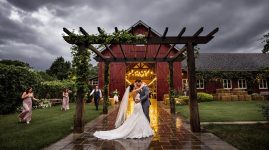
Garden Venue vs. Barn With Outdoor Space: Which Handles Weather Better?
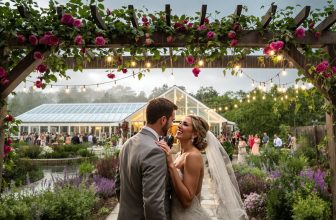
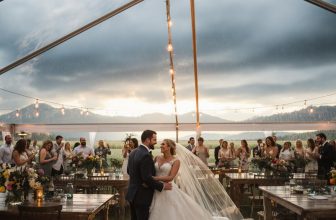
Barns with outdoor spaces beat garden venues for weather protection, hands down. They’ve got roofs, walls, and—wait for it—actual heaters. Unlike gardens, where you’re wrestling with tents and praying the wind doesn’t mess up your floral masterpiece. Plus, barns keep costs predictable without surprise tent rentals popping up. If you’re tired of unpredictable weather ruining the vibe, barns provide a way out. Want more on weather-proof wedding options? You’re in the right place.
Quick verdict: garden venue vs barn with outdoor space—who handles weather better?
When it comes to choosing between a garden venue and a barn for your event, who really has the upper hand in handling unpredictable weather? Let’s explore. You can count on a barn’s structure and grounds to provide superior protection. Here’s why:
- Rain Protection: Barns have roofs that naturally keep you dry. Garden venues? They need tents or pavilions—extra costs and setup hassle.
- Wind Management: Barns’ walls block those pesky gusts, while open garden venues can leave you battling the breeze without extra barriers.
- Temperature Regulation: Barns accommodate heaters and climate control. Gardens rely on fire pits, which might warm you up—if you’re close enough. Renting heaters for dining spaces and dance floors ensures guests stay comfortable inside the barn, regardless of the outdoor temperature.
In the barn grounds vs. garden venue showdown, barns take the crown.
At-a-glance comparison: backup space, logistics, costs, and guest comfort
Choosing the right venue for your event isn’t just about aesthetics—it’s about being prepared for whatever Mother Nature throws your way. When comparing a garden venue indoor backup to a barn outdoor space, the differences are clear. Garden venues demand a separate backup location, often involving logistical gymnastics and added costs. Meanwhile, barns boast built-in shelters that simplify changes, ensuring your day isn’t derailed by rain. Barns provide a reliable option against weather-related issues compared to gardens, offering a more secure solution for unpredictable weather conditions.
Here’s a quick breakdown:
| Factor | Garden Venues | Barn with Outdoor Space |
|---|---|---|
| Backup Space | Separate indoor venue needed | On-site shelter supplied |
| Logistics | Complex, multi-location | Simplified, single property |
| Cost Comparison | Higher due to extras | More budget-friendly |
In an outdoor venue weather comparison, barns generally present more convenience and comfort without breaking the bank.
Decision criteria: what ‘weather-proof’ means for your wedding
Let’s face it, the weather can be a major party crasher. When choosing between a garden venue and a barn with outdoor space, consider what “weather-proof” really means for your wedding. A garden venue might lack quality indoor backup, making it essential to have solid outdoor venue backup quality.
Think about these criteria:
- Shelter and Coverage: Confirm there’s a backup tent or marquee rental capable of handling severe weather. Check for designated covered areas for ceremony and reception.
- Guest Comfort: Invest in heating and cooling systems, and don’t forget those umbrellas and blankets for unexpected showers or chills. Utilize undercover spaces for key activities like ceremonies and receptions to ensure that guests remain comfortable regardless of the weather.
- Financial Safeguards: Allocate 15-20% of your budget for weather-related contingencies. Event insurance can be your financial lifesaver.
Choose wisely—your wedding day depends on it!
Garden venue deep dive: strengths and weak points in bad weather
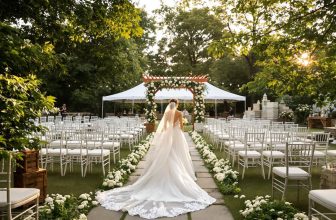
You’re planning a garden wedding, but let’s be real: bad weather can throw a wrench in your perfect day. You’ll need a solid backup plan that covers: 1) secured indoor or covered spaces to keep everything from turning into a soggy mess, 2) high-quality rental tents with roll-down sides to maintain outdoor vibes without the rain dance, and 3) a communication system that doesn’t leave your guests guessing about schedule changes. Don’t underestimate the cost and logistics risk—unpreparedness could cost you more than just money, it could cost you memories. Considering the humid subtropical climate, it’s essential to choose resilient floral arrangements that can withstand heat and humidity to ensure your décor remains fresh and beautiful throughout the event.
Backup plan checklist
When the skies threaten your garden wedding with rain, you can’t afford to sit back and hope for the best—you need a rock-solid backup plan. Let’s face it, garden venues often lack quality indoor alternatives. Here’s your checklist:
- Assess Venue Flexibility: Confirm your garden venue has an indoor backup that doesn’t feel like a downgrade. Verify it can comfortably accommodate your guest list, and check proximity to the outdoor space for quick shifts.
- Secure Equipment: Need that sturdy tent with side panels? Coordinate equipment arrival and setup within a tight 24-hour window. Don’t forget flooring to prevent muddy mishaps. Ensure the venue provides rental options to save time and money.
- Vendor Coordination: Communicate with all vendors, making sure they’re prepared for a swift change. A coordinated team can create the backup plan seamless.
Cost and logistics risk points
Now that you’ve got your backup plan in check, let’s face the elephant in the garden: cost and logistics during bad weather. You might think garden venues are a dream, but reality can be somewhat thorny when it rains. Here’s why:
- Garden venue indoor backup: These are often limited or non-existent, so you’re stuck renting extra space. That’s an unexpected expense.
- Setup and teardown: Weather delays can add hours to your timeline. More hours mean more labor costs. Ouch.
- Equipment and rentals: You’ll need tents, heaters, or fans for those weather surprises. Cha-ching! It’s important to note that garden venues, much like large outdoor gatherings, expose attendees to severe weather elements, which can significantly impact event planning.
In a garden vs barn wedding showdown, barns usually provide better built-in weather protection. So, if you’re trusting Mother Nature, better have deep pockets!
Barn-with-outdoor-space deep dive: strengths and weak points in bad weather
When you’re weighing the pros and cons of a barn with outdoor space for a big day, tackling bad weather is essential. Consider this backup plan checklist: 1) Shelter Options: Verify there are covered areas like tents or awnings to keep your guests dry. 2) Flooring Logistics: Check for proper drainage and sturdy flooring to prevent mud disasters. 3) Cost Factors: Don’t forget the potential extra expenses for heating or cooling systems to maintain comfort. While barn designs must prioritize cow welfare over operator convenience, it’s important to ensure that your venue’s layout and features are optimized to handle inclement weather. You can’t control the weather, but you can definitely outsmart it.
Backup plan checklist
Facing unpredictable weather is a reality you can’t ignore when planning a barn wedding with outdoor space. Unlike garden venues that often skimp on indoor backups, barns are built with weather resilience in mind. Here’s your backup plan checklist to guarantee your day goes off without a hitch:
- Structural Strength: Look for barns with gable roofs and monitor layouts. These attributes offer natural ventilation and prevent snow accumulation – perfect for those unexpected snow dumps. Regular maintenance, including inspections and cleaning, ensures the barn remains in optimal condition to handle adverse weather conditions.
- Flood Protection: Confirm the barn is elevated and has good drainage systems. This keeps everything dry even when Mother Nature throws a tantrum.
- Equipment Safety: Use loft spaces for storing valuables. They’re flood-free zones and keep your important stuff safe when the weather goes rogue.
Cost and logistics risk points
Though barns offer a rustic charm, their logistical demands in bad weather can feel like you’re wrangling an unruly herd. You’ll face a host of cost and logistics risk points, starting with climate control. Barns lack standard HVAC systems, so you’ll need to rent and strategically place portable heating or cooling units. Not cheap or simple.
Consider these top logistical headaches:
- Weatherproofing: High-quality tents with side panels and flooring installation are essential for rain and wind protection. Additionally, you should verify if the venue offers covered porches or tents as part of their facilities to ensure guest comfort in unpredictable weather.
- Insurance: General liability won’t cut it. You need specialized coverage for events, and structural assessments add extra costs.
- Electrical Needs: Outdated wiring means hiring electricians and installing temporary power supplies. A circuit overload isn’t the “spark” you want on your big day!
Scenario recommendations: choose garden if… choose barn-outdoor if…
Let’s cut to the chase: choosing between a garden venue and a barn-outdoor setup boils down to what you truly need from your wedding day. If you crave open-air elegance, a garden venue is your best bet. Here’s why:
- Weather Flexibility: Gardens often come with backup options like tents or pavilions, so you’re covered if the skies decide to cry.
- Photographic Magic: Natural lighting during golden hour turns your wedding photos into art without the hefty price tag of artificial lighting.
- Layout Versatility: Want a ceremony under a tree and reception by a fountain? Gardens adapt to your whims without structural limits.
On the other hand, if you prioritize protection from unpredictable weather, a barn with outdoor space may be the way to go. Barns offer protection against unexpected weather changes, ensuring that your special day goes off without a hitch regardless of rain or storms.
Decision matrix: cost certainty vs comfort vs vibe
Choosing between a garden venue and a barn with outdoor space isn’t just about aesthetics; it’s a balancing act of cost certainty, comfort, and vibe. You’re weighing predictable barn costs against garden venues’ surprise expenses. Barns sidestep extra rentals for weather contingencies, while gardens might charge you for tents or pavilions. Comfort-wise, barns supply climate control, keeping guests cozy regardless of weather. Gardens? They’re at nature’s mercy. Having a backup plan ensures a smooth transition regardless of weather, which is crucial for outdoor ceremonies. Vibe-wise, gardens boast natural beauty, but barns furnish rustic charm without the chaos of unpredictable decor changes.
Here’s a quick comparison:
| Aspect | Garden Venue | Barn Venue |
|---|---|---|
| Cost Certainty | Variable with hidden costs | Fixed and transparent |
| Comfort | Weather-dependent | Climate-controlled |
| Vibe | Natural, seasonal beauty | Rustic, consistent atmosphere |
Choose wisely!
Common pitfalls (tenting assumptions, wet ground, heat, sound restrictions)
Weather-related pitfalls can quickly turn your dream venue into a logistical nightmare if you’re not prepared. Barns and gardens each have their quirks, and ignoring them isn’t an option. Here’s what you need to know:
Barns and gardens have quirks; ignoring them can turn your venue into a logistical nightmare.
- Tenting Assumptions: Don’t assume a tent’s a one-size-fits-all solution. Plan ahead so your tent accommodates dining, dancing, and roll-down sides for rain protection. Remember, portable air conditioners and fans are extra costs.
- Wet Ground: Garden venues in subtropical areas like Brooksville can quickly transform into mud pits. Waterproof decorations and checking drainage are musts, or you’ll be knee-deep in trouble. In barnyard weddings, managing wet ground is equally crucial, as inadequate drainage can lead to discomfort and hinder guest mobility.
- Heat Management: High temps can wilt your flowers and guests. Use shaded spots, fans, and plan events for cooler times. It’s essential for comfort.
FAQs about weather clauses and outdoor venue contracts
Why is it that weather clauses in venue contracts often feel like a maze with no exit? It’s because they’re packed with jargon and responsibilities that can leave you spinning. To simplify, here’s what you should focus on:
- Plan B Details: Confirm your contract outlines specific backup options like indoor spaces or tents. Some venues might leave this entirely up to you, so double-check.
- Vendor Clauses: From caterers to DJs, verify each vendor contract addresses outdoor conditions. Confirm if they supply necessary gear like tents or heaters.
- Force Majeure Clauses: Know their scope. They cover major events like hurricanes but not typical rain showers. Make sure you have a Plan B to avoid penalties. Liability insurance can also provide peace of mind, covering financial implications of accidents or damages during the event.
Understanding these can save you from future headaches.
Educational only: get written backup terms and finalize rentals early
Let’s face it, leaving your wedding backup plans to chance is like playing Russian roulette with Mother Nature. You need solid, written backup terms and early rental finalizations to avoid chaos. Here’s why:
- Contractual Clarity: Confirm your venue contract specifies backup indoor spaces or tents. Last-minute shifts create chaos, and you don’t want that stress.
- Peak Season Scramble: Popular wedding seasons, especially spring and fall, demand early bookings. For instance, Chicago summer weddings require at least 6-12 months’ advance booking.
- Weather Wildcards: With rapid weather changes, especially in fall, monitor forecasts closely. Activate your pre-planned contingencies based on real-time updates. The unpredictable spring showers can also surprise you, so having a climate-controlled reception barn as a backup can save the day.
Get everything in writing and secured early. It’s your wedding, not a weather gamble!