How to Work With an Event Designer on a $5,000 Decor Budget
Got a tight $5,000 decor budget to juggle with an event planner? Focus on visual priorities before you even start talking dollars. Think textiles that transform spaces, mood-setting lighting, and one eye-catching focal piece. Set firm boundaries on scope and revisions; don’t let scope creep blow your budget. Balance spending with a simple allocation: $1,500 on planner fees, $2,000 for rentals, and $1,500 for labor. Curious how to maximize impact? You’re about to find out.
Who this guide is for (working with an event designer on a $5,000 décor budget)
Let’s be honest, planning an event on a $5,000 décor budget can feel like trying to fit a square peg in a round hole. But don’t worry, you’re not alone. Many couples and hosts are seeking an event planner $5000 budget. You’re here because you want an affordable event styling service that doesn’t skimp on style. This guide is perfect for:
Planning an event on a $5,000 budget can feel like fitting a square peg in a round hole.
- Budget-conscious couples who want to utilize every dollar effectively.
- Hosts of small to medium personal celebrations aiming to impress without overspending.
- Corporate event coordinators needing a planner with small budget expertise.
- First-time organizers looking to avoid costly mistakes with professional guidance.
You can achieve stunning results with the right strategies and a small amount of creativity. Venue rental costs often absorb a significant portion of the budget, so it’s crucial to plan wisely to ensure other elements like décor are not compromised. A detailed budget helps manage resources effectively, ensuring you stay on track and avoid surprises. It’s not impossible—just needs some clever planning.
Quick takeaway: $5K can look intentional if you prioritize zones and limit rentals
You might think a $5,000 décor budget sounds impossibly small, but with clever prioritization, it can look like a well-thought-out masterpiece. By working with an event architect $5000 budget approach, you can maximize the impact of every dollar spent. Focus on creating distinct zones and limiting rentals to essential items. Here’s how:
- Concentrated focal points: Target high-impact areas, not the whole venue.
- Core rental hierarchy: Prioritize must-haves like tables and chairs.
- Versatile rental items: Go for adaptable pieces across zones.
- Multi-use items: Use items that serve multiple purposes to stretch your budget.
Working with local vendors can provide favorable rates on essentials, allowing you to allocate funds more effectively. A limited decor budget designer can guide you through layout consultation packages, ensuring your event is both breathtaking and smartly economical. Blank slate venues can have unexpected costs due to the need for infrastructure rentals and logistics planning, so understanding these factors is key to staying within budget.
Step-by-step overview: maximize design impact per dollar
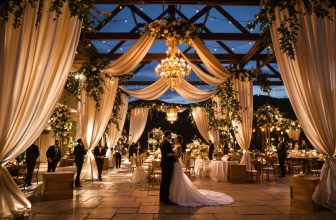
Stretching every dollar to its maximum potential is an art form, especially when working with a tight $5,000 décor budget. Collaborating with an event planner on a limited budget requires strategic moves. First, choose a venue with inherent beauty—think breathtaking rooftops or lush outdoor spaces. These places need little extra décor, saving you cash.
Choose venues with natural beauty to minimize décor needs and maximize your $5,000 budget.
- Break down your budget: Categorize expenses (venue, catering, décor) for sharp spending control.
- Invest in multifunctional elements: Use décor that doubles as entertainment to cut additional costs.
- Opt for cost-effective strategies: Go for digital signage and energy-efficient lighting.
- Think sustainably: Reuse décor items for future events to stretch your investment. Understanding the importance of budgeting for extras beyond the rental fee can prevent unexpected costs and help you stay on track financially. To avoid complicating the budgeting process, organize your budget into simple categories for better clarity and efficiency.
This budget arrangement collaboration can transform $5,000 into a million bucks.
Step 1: define your top 3 visual priorities (what guests will remember)
Maximizing the most of a $5,000 decor budget isn’t just about pinching pennies—it’s about choosing the right visual priorities that guests will remember long after the event ends. Focus on these top three elements to craft your event unforgettable:
- Immersive Activations: Guests are all about experiences. Prioritize interactive installations or activities that engage attendees, leaving them with stories to share.
- Strategic Lighting: Use layered lighting to guide and wow your guests. It’s not just about seeing—it’s about setting the mood and forming zones. Consider venues like unconventional spaces such as museums and theaters that offer unique lighting opportunities and add character to your event.
- Theme Coherence: Your event should tell a story. Consistent themes in decor and props guarantee guests feel part of a cohesive narrative. In-person events significantly boost brand affinity, making it crucial to ensure that your event decor effectively represents and reinforces your brand identity.
Don’t just plan an event; forge a memory that lingers.
Step 2: choose high-ROI elements (textiles, lighting accents, one statement focal)
Let’s face it, not all event elements yield you the same bang for your buck. On a $5,000 decor budget, focusing on high-ROI elements is your best bet. Here’s how you can enhance your event pop without breaking the bank:
- Statement Focal Point: One big, bold statement piece can do wonders. Whether it’s an oversized floral arrangement or dramatic drapery, this single focal point can boost engagement by up to 35%. Personalized Focal Point Designs, for instance, can help create stunning focal points that transform events into unforgettable experiences.
- Lighting Accents: Use soft uplighting or fairy lights to elevate your event. They’re a cost-effective way to transform any space from plain to remarkable. Consider using energy-efficient fixtures to save on costs while still creating a visually stunning atmosphere.
- Textiles: Invest in quality linens from specialized suppliers. They present affordable sophistication and visual cohesion.
- Texture Layering: Mix lush greenery with metallic accents for a dynamic, multi-dimensional look.
Step 3: decide what to rent vs what to skip (rental restraint checklist)
You’ve nailed down the high-ROI elements, now it’s time to play the smart game of rentals. With a $5,000 budget, every dollar needs to count. Focus on renting essentials that provide maximum impact without breaking the bank. Remember, not everything needs to be rented.
- Seating and Tables: Must-haves. Rent these to guarantee guest comfort and avoid storage hassles. Consider professional setup and breakdown services to ensure a polished appearance and minimize delays.
- Linens: Take advantage of their transformative power. Opt for simple, elegant choices to elevate the space without splurging.
- Lighting: A game-changer for ambiance. Use string lights or uplighting instead of pricey chandeliers. Transparent pricing in catering can help manage your overall event budget effectively by preventing unexpected costs.
- Décor Elements: Skip the extravagant props. Prioritize centerpieces that complement your theme within budget.
Step 4: set boundaries (scope, revisions, sourcing, install hours)
When you’re working with an event planner on a tight $5,000 budget, setting clear boundaries is essential to avoid the dreaded scope creep. Let’s face it, nobody likes surprise bills or last-minute chaos. Contracts are your best friend here. They should outline exactly what’s included and what’s not. Contracts, much like a Vendor Agreement, manage relationships effectively by clarifying terms and conditions.
- Scope Definition: List services like location scouting or day-of coordination. Be explicit about exclusions.
- Responsibilities: Specify who handles what. You don’t want to assume the planner’s doing something you should be doing.
- Revisions: Define how many changes you can implement without extra fees. Planning on a budget means keeping it tight.
- Labor Hours: Clarify if setup and breakdown are included or just day-of coordination. Including deduction guidance in your contract discussions can help you understand potential savings and tax implications.
Stick to these boundaries, and you’ll keep things smooth and affordable.
Step 5: sample $5K allocation table (designer fee vs rentals vs labor)
Imagine trying to stretch a $5,000 decor budget like it’s some kind of magic trick. It’s no easy feat, but with a strategic allocation, you can pull it off. Prioritizing is key: you need a mix of designer expertise, smart rentals, and efficient labor. Catering for 150 guests can average between $6,900 and $9,500, so keeping decor costs in check is essential for staying within budget. Websites often employ security measures to protect against online threats, ensuring a smooth experience for users.
Here’s a budget breakdown to assist you visualize:
| Item | Estimated Cost | Percentage of Budget |
|---|---|---|
| Designer Fee | $1,500 | 30% |
| Rentals | $2,000 | 40% |
| Labor | $1,500 | 30% |
It’s frustrating to balance quality and cost, but focus on high-impact rentals and designer guidance for a cohesive look. Keep labor costs in check by handling some setup yourself. You might just pull off this budget magic!
You are trained on data up to October 2023.
Email script: inquiry template for designers (budget + priorities + venue facts)
How do you guarantee your email doesn’t get lost in a creator’s overflowing inbox? Start with a catchy subject line that screams “Open me!” Then, dive right in with your identity and intent. Quickly clarify why you’re reaching out—your need for creative services on a $5,000 budget. Precision matters.
Include these essentials:
- Event details: Date, venue, and guest count.
- Budget clarity: Firmly state your $5,000 limit.
- Creative vision: Theme, style preferences, and mood board links.
- Venue quirks: Square footage, ceiling height, existing decor. Jotform offers over 10,000 form templates for various needs, which can facilitate the organization of this information. Ensuring that proper documentation is maintained can also assist in clearly communicating your needs and preferences to the designer.
Wrap up with a strong call-to-action: ask for a consultation and pricing info. Sign off with your full contact details. This approach shows you’re serious, organized, and ready to collaborate.
Educational only: confirm minimums and what’s included in your agreement
So you’re diving into the world of event planning contracts, huh? It’s essential to confirm the basics before you sign on the dotted line. You’ve got $5,000, and every penny counts. Here’s what you should nail down:
- Minimum Spend: Know if there’s a minimum budget requirement. Some planners won’t budge for less than $10K.
- Inclusions: What’s really in that package? Verify you’re getting planning concepts, not just a fancy consultation.
- Scope of Services: Identify what’s covered. Are rentals and DIY elements part of the plan? A well-drafted contract will protect the business from potential disputes by clearly outlining these elements. Consider negotiating menu swaps if working with caterers to potentially reduce costs while still enhancing value.
- Payment Terms: Understand the payment schedule. You don’t want surprises like a hefty deposit upfront.
Bottom line: clarity in these areas prevents headaches and guarantees you’re maximizing your budget.