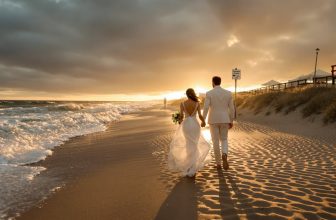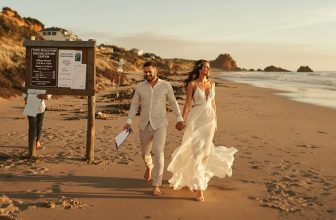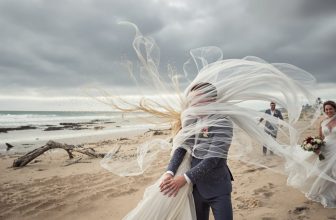

Public Beach vs. Private Resort Beach: Which Delivers Better Value and Less Stress?
If you’re into saving cash and love winging it, public beaches tempt with low fees—watch out for hidden costs and the crowd circus. Prefer silky pampering? Private resort beaches take the stress out with all-in-one packages. Expect to pay for it, but hey, you might sleep easier knowing someone else is handling logistics. Love flexibility? Go public. Crave stress-free? Choose resort. Stick around, and you’ll get the bigger picture.
Quick verdict: public beach vs private resort beach—best value and least stress?
Who doesn’t love a good beach day? When it comes to planning a wedding, choosing between a public beach and a private resort beach can be tricky. Here’s the scoop:
- Public Beach Wedding Logistics: You’ll need to handle every detail—from permits ($50-$300) to chairs and sound systems. It’s a DIY affair, which can be stressful. Hidden costs, similar to those in barn weddings, can inflate the budget unexpectedly.
- Resort Beach Wedding Value: Yes, it costs more ($3,000-$6,000), but you get full-service coordination. No hassle, just show up and enjoy. Private beaches offer intimate escapes and attentive service, making them perfect for a stress-free celebration.
- Public vs Private Beach Cost: Public beaches look cheaper upfront, but hidden costs and time spent can add up.
- When you factor in time and stress, resort beaches often provide better value. Sometimes, convenience is worth the price.
At-a-glance comparison: permit complexity, privacy, amenities, and total cost predictability
When considering beach wedding venues, permit complexity, privacy, amenities, and cost predictability are key factors that can determine or break the experience. A public beach ceremony vs resort comes down to choice: handle permits, logistics, and crowds yourself or pay for a streamlined, private experience. Sure, public beaches are cheaper upfront, but resorts provide remarkable amenities, privacy, and cost predictability. Private beaches offer limited access and exclusive amenities with membership. Here’s a quick look at the amenities comparison:
| Category | Public Beach | Private Resort Beach |
|---|---|---|
| Dining | Local stalls, budget-friendly | High-end dining, full service |
| Services | Limited staff | Personalized, concierge |
| Activities | Self-directed | Organized, safe |
Resorts spare you the stress of DIY planning and guarantee fewer surprises. So, is the higher price tag worth your peace of mind? Absolutely.
Public beach pros/cons (cost, flexibility, crowds, restrictions)
Reflecting on a public beach for your next getaway? You might enjoy the cost savings and flexibility, but there’s more to ponder. Let’s break it down:
- Cost Savings: Hotel rates are affordable, ranging from $80–$260 per night. Parking can be as low as $10 per day or even free with annual permits.
- Flexibility: Public beach wedding logistics can be tricky—you’ll need to handle chairs, sound systems, and guest directions. It’s a do-it-yourself affair.
- Crowds: High tourist volumes in peak months mean crowd management and capacity challenges. Off-peak travel provides fewer crowds and better rates.
- Restrictions: Rule enforcement is strict. Forget about smoking, glass containers, or walking on dunes. Violations can lead to hefty fines or worse.
Public beaches present value but come with strings attached. Choose wisely!
In some cases, access to public beach websites may be restricted by a security service to prevent online threats, which could inconvenience users seeking information.
Private resort beach pros/cons (amenities, staffing, minimums, vendor rules)
Even though private resort beaches come with a hefty price tag, they might just be your ticket to a stress-free wedding. You’ll find the all-inclusive packages minimize the chaos compared to public beach wedding logistics. Here’s a quick look at the private resort beach pros/cons:
- Amenities Galore: Enjoy a symbolic ceremony, cocktail hour, and private dinner reception bundled in packages. Plus, multiple dining and entertainment options abound. All-inclusive wedding packages often include access to spa services and pools, further enhancing the relaxation and enjoyment for you and your guests.
- Staffing and Assistance: Expect live music, DJ services, and professional coordination included, unlike the DIY setup on public beaches.
- Guest Minimums: Packages often start small but can accommodate larger parties, though per-guest surcharges can add up.
- Vendor Restrictions: You’re mostly stuck with “preferred vendors,” limiting flexibility but ensuring quality.
In short, private resort beaches provide convenience but at a premium.
Total-cost math: what 100 guests can cost on each option (3 scenarios)
Let’s plunge into the total-cost math for hosting 100 guests at each of these beach wedding options. Comparing a public beach vs private resort wedding, scenario 1 shows an all-inclusive resort in Mexico/Caribbean costing $29,700–$41,500. A traditional U.S. public beach ceremony vs resort in Florida runs $24,200–$41,800. The Caribbean destination lands between $38,500–$50,500.
While the private resort wedding provides less logistical stress—everything’s bundled, the significant regional variations in venue costs can dramatically impact the overall budget for a beach wedding. Public beach wedding logistics? A real headache.
| Factor | All-Inclusive Resort | U.S. Beach Venue | Caribbean Destination |
|---|---|---|---|
| Venue + Ceremony | $3,200–$5,500 | $10,000–$16,000 | $5,500 |
| Food/Beverage (100 guests) | Included | $7,500–$13,000 | Included |
| Guest Flights | $25,000–$35,000 | Not included | $30,000–$45,000 |
Risk checklist (tides, wind, access, noise rules, curfew, safety)
Steering through the risks of choosing between a public beach and a private resort for your big day can cause your head to spin. Let’s cut through the noise and look at some essential factors:
- Access Issues: Public beaches might sound easy, but private property owners can block access. Resorts keep things simple—guests only.
- Safety Protocols: Public beaches often lack lifeguards. Resorts usually have them, providing rapid response for emergencies. Unprotected beaches pose significant liability risks for property owners and organizers, as courts evaluate whether reasonable safety measures were implemented.
- Noise and Curfew: Both options enforce quiet hours—10 PM to 7 AM on weekdays. Resorts handle complaints better, though.
- Natural Risks: Want to avoid a surprise stingray encounter? Resorts typically have better monitoring for marine life hazards.
Choose wisely—your stress levels depend on it!
Decision checklist: choose public if… choose resort if…
If you’re deciding between a public beach and a private resort beach for your event, let’s break it down to what matters most: your priorities and pain points. Do you crave budget-friendliness or extensive amenities?
Choose public if:
- Budget is King: Enjoy minimal fees, no lodging minimums, and zero mandatory meal plans.
- Nature Enthusiast: Relish diverse natural attributes—cliffside views, varied sand types, and lush vegetation.
- Freedom Lover: Appreciate unrestricted access and no need for reservations or deposits.
- Eco-Savvy: Favor wildlife-friendly habitats, low carbon footprints, and conservation efforts. Coastal attractiveness is a key driver of inbound tourism and beach visitation, with economic gains from tourism potentially leading to long-term local employment and GDP growth.
Choose resort if:
- Luxury Awaits: Desire aquatic facilities, spa services, and golf courses.
- Convenience Counts: Enjoy all-inclusive packages and professional coordination.
Educational only: confirm permit requirements and resort minimum definitions in writing
You’ve got your checklist sorted, but before you jump in, there’s some paperwork you can’t ignore. Whether you’re eyeing a public beach or dreaming of a private resort, confirming permit requirements and minimum occupancy rules in writing is essential. It’s not just red tape—it’s about dodging headaches later. Here’s what you need to know:
- Public Beach Permits: Costs range from $50-$300, but be prepared to handle logistics yourself. Apply 60 days ahead if you’re new to this. Permits expire two years from the date of issuance, so make sure to keep track of the renewal deadline to avoid any lapses.
- Resort Occupancy: Resorts like Topsl cap guests per unit. Exceeding limits? Say hello to fees or even eviction.
- Permit Validity: Public permits last up to 2 years, so mark your calendar for renewals.
- Signage Regulations: Permanent signs at public beaches are a must. Don’t skip this step.