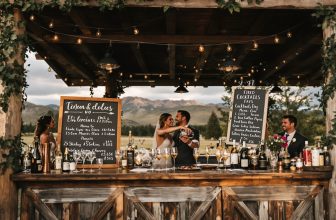

How to Structure Your Bar Package to Avoid the $3,000 Surprise
Don’t let your bar budget spiral with unexpected $3,000 surprises. First, cap those open bar hours—hello, sanity! Stick to simple: beer, wine, and perhaps a couple of signature cocktails. Spell out your spending ceiling loud and clear. And watch those sneaky service charges and staffing ratios—staffing should be one bartender per 50 guests. Voila! You’re on track to dodge pricey pitfalls. Ready for more tips to keep your wallet in check?
Quick takeaway: bar budgets explode when hours, menu complexity, and minimum definitions aren’t controlled
You’ve got a party to throw and a budget to stick to, but let’s face it—bar costs can spiral out of control quicker than you can say “cheers.” When you don’t put a leash on things like hours, menu complexity, and minimum drink definitions, your wallet feels the hangover. To dodge those bar budget surprises, focus on bar cost prevention and control bar costs with these tips:
- Limit Hours: Keep the open bar to a cocktail hour and dinner only. Additionally, having a clear communication plan about bar service expectations with your guests can help manage their drinking habits effectively.
- Simplify the Menu: Provide beer, wine, and a couple of signature cocktails. By reducing the complexity of the menu, you can avoid unnecessary costs associated with complex drink preparations.
- Set Spending Caps: Implement a consumption bar with a maximum limit, then switch to a cash bar.
- Define Minimums: Clearly outline minimum drink definitions to prevent overpouring.
These steps keep your budget in check without sacrificing the fun!
Where the ‘$3,000 surprise’ comes from (service charges, staffing, extras, waste)
Sticker shock—it’s what happens when the hidden costs of your bar package sneak up on you like a hangover. Imagine thinking you’ve got your bar budget wedding control down, only to be blindsided by unexpected charges. Here’s where that $3,000 surprise comes from:
Sticker shock hits when hidden bar costs surprise you as much as a hangover.
- Service charges: These can tack on an extra 10–20% to your bill, possibly adding $300–$600 on a $3,000 base.
- Staffing ratios: More bartenders mean higher costs. A premium package with five bartenders for five hours? It gets pricey. Proper staffing ensures smooth service, as the ideal bartender-to-guest ratio is 1:50 for full cocktail service, which can prevent long lines.
- Extras: Setup, teardown, and fancy cocktail choices inflate costs.
- Waste: Planning for heavy consumption? Overestimate your guests’ drinking habits, and you’re pouring money down the drain.
Additionally, the location and travel costs can impact profits, especially if your venue is beyond 30–50 miles, which typically incurs travel charges of $2 to $3 per mile. Be proactive, or your budget might drown in hidden fees!
Step-by-step: structure your bar package to stay on budget
To keep your bar package from wrecking your budget, you need a game plan that’s not just about picking drinks, but about strategic choices. First, choose your service model wisely—whether it’s a consumption bar, hosted package, or cash option. Next, simplify your alternatives by capping complexity with 1-2 signature cocktails. Then, control the clock with hosted windows and shorter reception bars. Finally, itemize costs meticulously to prevent surprises. Here’s how to do it:
- Pick your service model: Decide between consumption, hosted package, or cash bar. When selecting a service model, consider the overhead costs associated with each option, such as staffing and utilities, to ensure it aligns with your budget.
- Cap complexity: Limit to 1-2 signature cocktails and a simplified spirits list.
- Control time: Set hosted windows, last call, and guarantee shorter reception bars.
- Itemize every line: Don’t forget ice, mixers, glassware, shipment, and overtime.
Step 1: pick your service model (consumption vs hosted package vs cash)
Ever wondered why your bar costs skyrocket faster than a rocket launch? Choosing the right service model can determine if you’re bar budget wedding control is a success or a disaster. To structure your bar package effectively, consider:
- Consumption Bar Management: This open bar model charges per drink. It’s great if you want flexibility, but costs can spiral if not capped.
- Hosted Package: Pay a flat rate per person. It’s predictable and saves you from surprises, but might limit drink types.
- Cash Bar: Guests pay per drink. It’s budget-friendly for you, but less hospitable.
- Hybrid Model: Mix host-paid and guest-paid drinks. It balances costs, but requires clear communication.
Choose wisely to keep costs from blasting off!
Step 2: cap complexity (1–2 signature cocktails, simplify spirits list)
When it comes to keeping your bar costs under control, less is more. Simplifying your bar package can assist in avoiding surprises and keep your wedding budget in check. Here’s how to structure your bar package effectively:
- Limit Signature Cocktails: Stick to 1–2 signature cocktails. This reduces spirit inventory waste by 30–40% and allows you to negotiate volume discounts.
- Simplify Spirits List: Choose 5–7 core spirits. This eliminates slow-moving inventory and reduces bartender decision paralysis.
- Batch Cocktails: Pre-batch drinks in batches of 10–15 servings. It cuts prep time by 50% and guarantees consistency across bartenders.
- High-Profit Spirits: Use spirits like vodka and gin. They maintain profitability and lower costs per serve.
Step 3: control time (hosted windows, last call, shorter reception bar)
Creating a streamlined bar package is a great start, but let’s face it—time is money, especially when it comes to hosting a bar at your event. Control the clock, and you’ll control the costs. Here’s how:
- Hosted Bar Time Windows: Limit your hosted bar to 4-5 hours, not the whole night, and you’ll shave off 20-30% per guest. Shorten it to just the cocktail hour, and save even more.
- Last Call Implementation: Announce last call 30-45 minutes early. This practice reduces spending spikes by 25% and keeps guests from ordering like it’s their last drink ever.
- Shorter Reception Bar: Keep it to 60-90 minutes. Guests stay happy, and your wallet stays fuller.
- Hour-Specific Patterns: Remember, peak hours mean peak spending. Plan accordingly.
Step 4: control waste (RSVP accuracy, drink menu signage, staffing ratio)
Let’s face it: ignoring waste control in your bar package is like tossing dollar bills into the wind. To keep your budget intact, focus on these practical steps:
- RSVP Accuracy: Verify your guest list 48-72 hours before the event. This simple step cuts overstock by 15-20% and minimizes phantom guests.
- Drink Menu Signage: Limit signature cocktails and use menu boards. This reduces bottle inventory by 30-40% and curbs impulse orders.
- Staffing Ratio: Stick to one bartender per 75-100 guests. Add bar backs to maintain service efficiency and enforce portion control.
- Pour Accuracy: Use pre-measured jiggers. This eliminates free-pouring variance and guarantees consistent drink quality.
Implement these strategies, and watch your costs shrink.
Step 5: itemize every line (ice, mixers, glassware, delivery, overtime)
If you think itemizing every line in your bar package is overkill, think again. It’s your best defense against unexpected costs. Ignoring these details can lead to a financial hangover. Here’s what you need to know:
- Ice and Mixers: Quantify ice per event based on guest count and duration. Don’t guess—calculate.
- Glassware and Equipment: Real glass may cost more upfront but saves in the long run. Itemize rental fees for coolers and draft systems separately. Pricing bar packages significantly impacts overall event profitability.
- Labor Costs: Define setup, service, and teardown hours to avoid overtime surprises.
- Delivery and Travel: Factor in mileage and additional fees for remote venues. Separate these charges in your quote for transparency.
Budget table: 3 bar plans for 100/150 guests (low/mid/high)
Deciding on the right bar plan for your event is no small task, especially when you’re trying to keep both your guests happy and your wallet intact. Let’s face it, no one wants a $3,000 shocker. Here’s a quick breakdown of budget tiers for 100 and 150 guests:
| Category | 100 Guests (Low/Mid/High) | 150 Guests (Low/Mid/High) |
|---|---|---|
| Estimated Total | $2,070-6,390 | $3,355-9,485 |
| Bartenders | 1-2 / 2 / 2 | 2 / 2-3 / 3 |
| Service/Gratuity | $270-990 | $405-1,485 |
| Base Alcohol Cost | $1,500-4,200+ | $2,250-6,300+ |
Stick to hosted bars with clear per-person rates. It’s predictable, unlike those wild consumption bars. At Barrington’s White House, alcohol service is managed in-house, ensuring compliance and quality, while guests must be 21+ for service. Be smart, avoid the pitfalls of hidden costs similar to those that can occur with food truck vendors.
Questions to ask vendors so the quote doesn’t change on event day
You’ve nailed down your budget table, and now it’s time to face the real world of vendor negotiations. Avoid those astonishing surprises on event day by asking the right questions. Immerse yourself in the nitty-gritty now:
- Quote Inclusions: Is the quoted price all-inclusive? Does it cover alcohol, mixers, glassware, taxes, and gratuity?
- Hidden Fees: Are there travel fees, overtime charges, or corkage fees if you supply the alcohol?
- Service Scope: How many staff members will be there? Will they provide non-alcoholic options?
- Contract Essentials: What’s the cancellation policy? Do they have liquor liability insurance? Remember that licensed bartenders are crucial for ensuring legal compliance and reducing liability risks.
- Liability insurance is crucial for vendors to have, as it protects both parties from unforeseen accidents or issues during the event.
Get these answers upfront to avoid any “I’m sorry, that’s extra” surprises. Trust me, your wallet will thank you!
FAQ: bar package budgeting questions
Wondering why your bar package is devouring your budget like a ravenous beast? You’re not alone. Many couples find themselves blindsided by costs that spiral out of control. To avoid this, consider these key points:
- Open Bar Pricing: Ranges from $35–$45 per person, but can go as low as $15 or as high as $45 depending on the venue and liquor quality.
- Hidden Fees: Watch out for setup fees ($50–$200) and travel costs if your venue is far from the vendor. Hidden service charges can add 15-25% to your bill, impacting your overall budget unexpectedly.
- Package Inclusions: Confirm your package covers bartenders, equipment, and mixers. Alcohol isn’t usually included.
- Flat Fee vs. Consumption: Flat fee packages provide predictability, while consumption-based models might appeal if your guests aren’t heavy drinkers.
When choosing a wedding bar package, consider how it bundles your bartending needs, simplifying the planning process by combining vendors for drinks, bartenders, and supplies. Plan wisely and keep your budget intact!