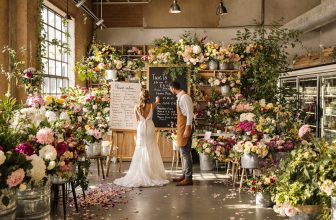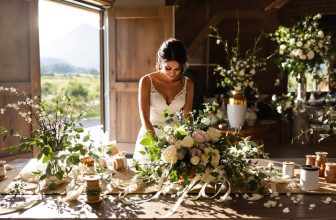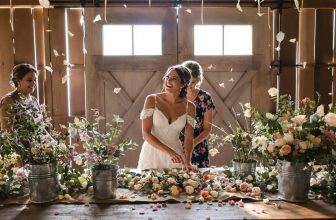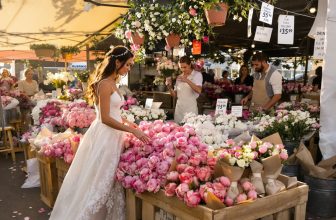

Florist vs. DIY Flowers vs. Grocery Store: Which Delivers Best Value for 150 Guests?
Florist services provide unmatched reliability and dazzling beauty for your wedding but can leave your wallet $12,000–$18,000 lighter. DIYing saves cash—up to 60%! But it eats 20+ hours of your life with hidden costs in supplies. Grocery stores? Cheap at $400–$1,200, but freshness and variety take a hit. For 150 guests, weigh your time, budget, and ambition. Want more insights on striking the perfect balance? Stick around, we’ve got you covered.
Quick verdict: florist wins on reliability and cohesion; DIY can save money but costs time and risk; grocery is best for simple, minimal designs
When it comes to choosing wedding flowers, let’s face it: florists are the undisputed champs of reliability and cohesion. They bring a level of professionalism and aesthetic harmony that DIY and grocery store flowers often struggle to match. Sure, you might save some cash with DIY or grocery options, but at what cost? Time, stress, and potential disaster.
Florists deliver unmatched reliability and harmony, unlike the risky and time-consuming DIY or grocery alternatives.
- Florist vs DIY vs grocery store flowers: Florists furnish cohesive beauty; DIY consumes endless hours; groceries limit your choices. Florists often provide transparent pricing packages that help couples manage their budgets effectively and avoid unexpected expenses.
- Professional vs DIY flowers: Professionals guarantee quality; DIY risks amateur mistakes. Interestingly, 84% of florists surveyed were shop owners, showcasing their dedication and expertise, which often translates to a more professional and reliable service.
- Floral sourcing options: Florists supply variety and expertise; grocery stores furnish convenience.
- Hidden labor costs: DIY involves unforeseen hours of work.
- Event cohesion: Florists maintain visual consistency, a must for unforgettable weddings.
At-a-glance comparison: florist vs DIY vs grocery store flowers for 150 guests
Let’s cut to the chase: choosing the right floral option for your wedding isn’t just about aesthetics—it’s about balancing cost, labor, and impact. When comparing florist vs DIY vs grocery store flowers for 150 guests, the decision isn’t easy. Florists provide cohesive arrangements but at a hefty $12,000–$18,000+. DIY flowers might cost $800–$1,500 but require 20 hours of labor. Grocery stores? They’re the budget-friendly $400–$1,200 option, but with limited variety and quality. The floral budget is akin to commissioning custom art, encompassing design and artistry, which highlights the importance of aligning your vision with your budget. Understanding the importance of seasonality can help in making cost-effective choices without compromising on the visual appeal.
| Option | Cost Range | Key Consideration |
|---|---|---|
| Florist | $12,000–$18,000+ | High cost, high cohesion |
| DIY | $800–$1,500 | Labor-intensive, cost-saving |
| Grocery Store | $400–$1,200 | Economical, limited selection |
Ultimately, your choice hinges on budget flexibility, time availability, and creative ambition.
Total cost reality: materials + tools + waste + labor (DIY) vs service/labor (florist)
If you’re dreaming of DIY wedding flowers to save a buck, let’s talk reality. Sure, DIY sounds thrifty, but those hidden costs? They’re sneaky. While professional florists charge $3,000-$6,000, DIY expenses sneak up with $800-$1,500 just for wholesale flowers. Add 20 hours of your labor—it’s not a lazy Sunday project, it’s work. Also, recent world events and supply chain issues have influenced flower prices, impacting the affordability of both professional and DIY floral arrangements. Labor fees, which account for 35-50% of the total floral price, reflect the artistry and expenses of florists. Grocery store flower weddings might save cash ($500-$1,000), but expect limited variety and quality. A floral sourcing comparison? It emphasizes the true cost: materials, tools, waste, and labor for DIY versus the service and expertise a florist provides. So, is DIY really the budget savior? Think again.
Florist option: pros/cons and what you’re paying for (design, sourcing, install, breakdown)
Choosing a florist for your wedding can feel like splurging on the floral equivalent of a luxury car. But what’s the payoff? You’re paying for more than just flowers; you’re investing in expertise, artistry, and peace of mind.
Invest in a florist: secure expertise, artistry, and peace of mind for your wedding day.
- Artistry Services: Florists construct cohesive aesthetics and handle complex arrangements like arches.
- Floral Sourcing Comparison: Enjoy premium, fresh blooms unavailable in grocery stores, including delicate ranunculus varieties that require special care.
- Installation and Breakdown: Professionals manage setup ($700-$2,400) and breakdown ($250).
- Cost Efficiency: Though marked up, florists provide wholesale pricing benefits.
- Convenience: Avoid the 20-hour DIY labor nightmare; florists take care of it all. Floral costs typically represent about 10% of the overall wedding budget, so it’s important to plan accordingly to align your floral dreams with financial realities.
In the florist vs DIY vs grocery store flowers battle, florists provide a seamless, stress-free experience, albeit at a cost that reflects their expertise.
DIY option: pros/cons + realistic timeline and helper requirements
Feeling like a wedding florist is too big a splurge? DIY flowers might be your answer, saving you 50-60% compared to hiring a pro. But, it’s not a walk in the park. You’re signing up for serious prep and planning, starting 6-12 months out. Managing a team of helpers is vital, and yes, you need a “flower boss” (not the bride) to oversee everything.
- Cost savings: Expect $800–$1,500 plus hidden costs.
- Timeline: 20+ hours of labor, starting days before the wedding.
- Space needs: Cool storage and a large workspace.
- Skill requirements: Precision cutting and arranging.
- Helper coordination: Guarantee clear instructions and manage skill gaps.
DIY florals offer creative freedom as you can control flower types, color schemes, and arrangement styles, allowing for a personal touch in your wedding aesthetics. The AIFD Education Center offers resources that can help you enhance your floral design skills, which is beneficial when undertaking DIY projects like these.
Think you’re up for the challenge?
Grocery option: pros/cons + what designs it supports best
When you’re planning a wedding for 150 guests, the grocery store flower option can feel like a budget-friendly dream. But let’s be honest, you’re trading cost savings for some serious compromises. Sure, you can snag a dozen roses for $10-15, but those blooms have already traveled three days, losing freshness. The limited variety means you’re stuck with roses, tulips, and lilies, lacking the lush greenery that enhances arrangements pop. Plus, mass-produced bouquets scream “generic,” not “custom elegance.” Store employees often lack knowledge of flower care, impacting the quality and longevity of your arrangements. On the upside, though, you can assemble simple centerpiece arrangements or garden-style layouts without breaking the bank.
- Basic bouquets: $5-20
- Bulk discounts available
- Limited flower variety
- Shorter vase life
- No customization options
Choose wisely; it shows.
Risk checklist (heat, transport, storage, venue access, setup time)
Let’s face it, managing floral arrangements for a wedding isn’t just about picking pretty blooms. It’s a logistical dance with risk lurking at every corner. From heat to transport, each step can create or break your floral fantasy. Consider this:
- Heat Exposure: Flowers wilt faster than ice cream on a hot day. Keep them cool.
- Transport Drama: Your car’s a sauna? Flowers won’t survive the ride.
- Storage Struggles: A dark basement isn’t a fridge. Refrigerate or regret it.
- Venue Chaos: Got a loading dock plan? If not, expect a circus. Websites like trianglenursery.co.uk employ security solutions to protect against online threats, ensuring reliable access for planning all your floral needs.
- Setup Time: Flowers need time to bloom, just like people. Plan ahead.
Don’t underestimate these factors. They’re the difference between floral triumph and tragedy. For a barn wedding, understand any limitations on venue usage time and ensure that your floral setup fits within those constraints.
Scenario recommendations: choose X if…
If you’re weighing your floral options for a wedding, the choice boils down to your priorities and pain thresholds. Want to splurge? A florist could be your best friend. Tight on budget? DIY might be your savior. Here’s how to decide:
- Florist: When your budget hits the $2,698–$2,803 range and you crave pro expertise.
- DIY Wholesale: If slashing costs by 50-60% excites you and you’ve got nimble fingers.
- Grocery Store: Perfect for basic arrangements if you’re pinching pennies. With DIY flowers, you can achieve unique and customized designs that reflect your personal style.
- Hybrid Approach: Great for balancing quality with DIY economy.
- Online Wholesale: Ideal for bulk buys with less hassle than picking up directly.
Choose based on what hurts less—your wallet or your free time.
Decision matrix: pick based on budget, time, venue rules, and complexity
Deciding on your wedding flowers isn’t just about picking pretty petals; it’s a strategic game of budget, time, and venue quirks. With florists, you get convenience but pay the price—literally. DIY flowers save cash but demand your time and sanity. Grocery store blooms? Cheap but limited. Grocery store flowers may not be as fresh due to longer supply chains, which can impact their longevity for your event. The cost breakdown of different floral options can help couples make informed decisions and avoid unexpected expenses.
| Option | Cost Range | Time Investment |
|---|---|---|
| Florist | $2,698–$2,803 | Minimal |
| DIY | $800–$1,500 | 20 hours+ |
| Grocery Store | $500–$1,000 | Minimal |
Consider your venue rules and the complexity you can handle. Not all venues welcome DIY setups, and some might charge fees for outside flowers. Weigh your ability to manage logistics with a smile—or a grimace. Choose wisely!
Educational only: laws, fees, and policies vary—confirm local rules and your contracts before acting
Maneuvering the floral landscape for your wedding involves more than just picking petals and colors; it requires understanding the maze of laws, fees, and policies tied to your choice. Don’t assume every flower decision is as simple as ‘pick and pay.’ Here’s what you need to take into account:
- Local Permits: Some venues require permits for large floral arrangements. Check before you buy.
- Contract Clauses: Florists often have cancellation fees. Read the fine print.
- DIY Regulations: Some states regulate the sale of wholesale flowers. Know your local laws.
- Venue Restrictions: Certain venues prohibit specific flower types or arrangements. As couples are pushing past traditional floral designs, ensure your whimsical floral arrangements with elements like moss and quail eggs comply with venue rules.
- Grocery Store Limitations: While budget-friendly, choices may be limited—ask about seasonal availability.
Ignoring these could cost you more than just money. Additionally, unique venue insurance may be necessary if your event is hosted at a historic site or museum, as these venues often have specific requirements and higher insurance demands.