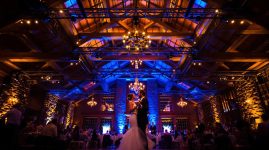
What Wedding Lighting Costs (From Basic Uplighting to Full Production)
Wedding lighting costs can range from a frugal $19 per DIY uplight to a staggering $8,000 for full-on production. Budget around $1,100 for basic uplighting at a medium-sized event, but expect bistro lights or dance setups to tick up the bill. High ceilings and curfews inflate costs with rigging fees and tight install schedules. Don’t skimp on quality lighting—it’s essential for setting the mood, not just decoration. Stick around to nail down the perfect options.
Quick verdict: basic uplighting can be affordable; full production is expensive because labor, rigging, and power add up
When it comes to wedding lighting, basic uplighting might just be your wallet’s best friend, while full production lighting can feel like it’s plotting against your bank account. Wedding lighting costs by level vary widely, with lighting budget ranges that can suit any investment level.
Consider these points:
- Basic Uplighting: Typically ranges from $800–$1,300, a smart choice for budget-conscious couples.
- DIY Options: Rent uplights for as low as $19 each, a cost-effective alternative to professional setups.
- Labor Costs: Professional installations add $300–$800, with additional fees for active lighting control. Uplighting can enhance intricate designs and transform a space into a warm, inviting environment, making it worth the investment.
- Full Production: Costs skyrocket due to rigging and power requirements, possibly exceeding $8,000. Larger weddings may require additional technicians and equipment, further increasing expenses.
Choose wisely, balancing style and budget without turning your financial dreams into nightmares.
Lighting cost tiers table (uplighting → bistro/string → dance lighting → full production)
Let’s face it, wedding lighting can either elevate your event to a magical experience or drain your savings faster than you can say “I do.” Understanding the lighting cost tiers is your first step towards making savvy decisions. The wedding lighting costs by level range from uplighting to full production. It’s essential to know the lighting budget tiers to avoid surprises. Here’s what lighting costs explained in brief:
| Lighting Tier | Estimated Cost Range |
|---|---|
| Uplighting | $800 – $3,000 |
| Bistro/String | $3 – $5 per foot |
| Dance Lighting | $400 – $700 (gobo) |
| Full Production | $8,000+ |
Uplighting rental cost is affordable, starting at $19 for 5 days which makes it a budget-friendly option for those looking to enhance their event without breaking the bank. Choose wisely. Don’t let glittering lights blind your budget. Each tier provides something distinct, but it’s your wallet that needs to shine at the end. Venues with existing light can reduce costs by utilizing the natural ambiance, minimizing the need for extensive lighting setups.
What each tier actually does for the room (mood, photos, focus zones)
While basic venue lighting keeps things visible, it doesn’t exactly scream “wow” in photos or set the mood beyond “functional.” It’s like the plain toast of lighting—reliable but not exciting. Considering wedding lighting costs by level, you’ll find that each lighting budget tier presents distinct advantages:
- Foundational Uplighting: Turns basic spaces into polished venues, enhancing photos with vibrant depth and customizable mood zones—warm for dinner, cool for dancing. Uplighting can also transform the venue’s appearance from ordinary to extraordinary.
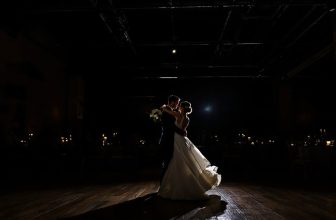
- Enhanced Uplighting with Pin Spotting: Showcases centerpieces and cake arrangements, creating striking visual focus zones and adding dramatic shadows to enhance photography.
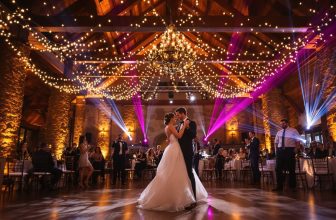
- Advanced Production: Uses intelligent moving lights for dynamic energy, synchronized effects, and personalized monograms, transforming moods across the reception timeline.
- Premium Production: Integrates distinctive effects like CO2 blasts and laser shows for unforgettable, shareable moments.
Uplighting vs full production? Choose based on the experience you crave.
Cost drivers that spike totals (high ceilings, rigging, long install windows, curfews)
- High Ceilings: Need lift rentals, adding around $600. Why? Because those lofty heights aren’t reached with just a ladder. Venues with high ceilings often require more extensive lighting setups to achieve the desired ambiance.
- Rigging: Complex setups like string lighting with dimmers demand skilled labor, pushing costs upwards of $800.
- Extended Install Windows: Long setup times mean more technician hours, inflating your lighting budget tiers.
- Curfews: Early teardowns mean extra fees. Don’t forget those charming venue restrictions squeezing your timeline.
In short, your lighting cost breakdown isn’t just about the fixtures—it’s all about the setup drama. Quality lighting is crucial for showcasing venue, decor, and floral arrangements, transforming dimly lit spaces into spectacular settings with effective lighting.
Example budgets for 100/150 guests (3 tiers, same venue type)
When planning wedding lighting for 100 to 150 guests, you’ve got three budget-friendly tiers to contemplate, each with its own flair and functional advantages. Starting with basic uplighting, you’re looking at $1,100–$1,500, including simple LED uplights and a monogram or backdrop. The mid-range option, costing $2,000–$3,500, adds elegance with multi-colored uplights, moving heads, and pin spots. For a premium experience, expect to spend $4,000–$6,500+, incorporating professional-grade lights and distinctive effects. Sure, it sounds like a lot, but your guests won’t forget the dazzling atmosphere. And remember, location matters. South Florida? That’ll cost you more. Transparent pricing is crucial for wedding planning, as it helps manage overall costs and ensures there are no surprises.
How to choose the right lighting for your venue (bright vs dark, indoor vs outdoor)
Ever wonder why some weddings feel like a storybook while others fall flat? The secret often lies in the lighting choices. Here’s how to pick the right lighting for your venue:
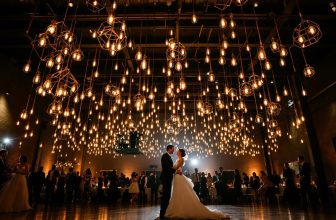
- Consider the architecture: High ceilings need powerful fixtures like chandeliers, while smaller spaces thrive on focused illumination. Uplighting columns can enhance rooms feel more impressive.
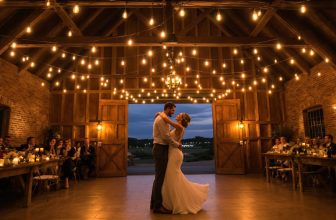
- Think about the venue type: Indoor weddings benefit from chandeliers and LED spotlights. Outdoor ones? String lights and lanterns shine. Paper lanterns can create a canopy effect by hanging at different heights, adding elegance to outdoor settings.
- Factor in power: Indoor venues have controlled electrical setups. Outdoors? You’ll want battery-operated options in power-scarce areas. For industrial venues, preferred lighting designers are essential to ensure compliance with safety standards and prevent electrical failures.
- Choose your mood: Warm tones generate cozy vibes; cooler hues add modern flair. Choose based on your theme.
Get these right, and your wedding will dazzle!
Questions to ask your lighting vendor (power, rigging, install timing, overtime)
Why does wedding lighting often seem to come with more strings attached than a marionette show? It’s because there are several technical aspects you’re likely not aware of until you immerse yourself. To protect your wedding day, consider having a detailed scope of work clause in your lighting vendor contract. To keep the lights on without a hitch, here are four key questions to ask your lighting vendor:
Wedding lighting comes with technical twists that can surprise you, so ask the right questions upfront.
- Power Requirements: What’s the power draw for the setup? Essential for avoiding blown fuses mid-vows.
- Rigging Needs: Do they need unique rigging or can they use existing structures? This can affect costs and logistics.
- Install Timing: How long will installation take? You’ll want to know if setup disrupts your venue access.
- Overtime Charges: What’s the cost if your event runs late? Avoid surprises with this upfront knowledge.
FAQ: lighting myths and what’s actually worth paying for
Isn’t it curious how lighting often gets dismissed as an afterthought at weddings? Despite its vital role in setting the mood and enhancing photos, myths abound. Let’s debunk a few:
1. Myth: Lighting doesn’t matter
Reality: Great lighting transforms spaces and enhances photos, making your event unforgettable.
2. Myth: More light equals better results
Reality: Excessive brightness can kill the vibe. Layered lighting and dimming options are key.
3. Myth: All fixtures are the same
Reality: Different fixtures serve distinct purposes, from uplighting effects to string light ambiance.
4. Myth: Lighting is just decor****
Reality: It affects mood, participation, and comfort, going beyond mere aesthetics. When planning an event, it’s important to consider how the venue size impacts number of uplights required to achieve the desired effect.
Invest in professional lighting arrangement. It’s worth it for the atmosphere and experience.
Educational only: laws, fees, and policies vary—confirm local rules and your contracts before acting
Maneuvering the maze of wedding lighting regulations can feel like an overwhelming task, but ignoring them is a risk you don’t want to take. Regulations are everywhere, and they vary wildly. Here’s a quick rundown you’ve got to reflect on:
- Permit Requirements: You might need a temporary structure permit for tents over 400 square feet. Electrical permits? Yep, those too. And let’s not forget unique event permits for amplified music.
- Fire Safety: Flame-retardant materials are non-negotiable. Emergency exits must be marked, and fire extinguishers should be visible.
- Local Ordinances: Zoning restrictions and noise limitations can surprise you. Check them out before the big day.
- Venue Restrictions: Many venues ban open flames, fog machines, and wall attachments. Review all policies closely. Consider hiring a professional lighting expert for guidance, as they can help navigate these restrictions and suggest suitable alternatives.
Ignoring these aspects can turn your dream day into a nightmare.