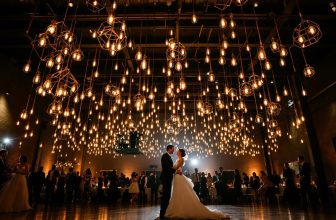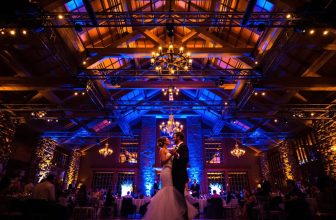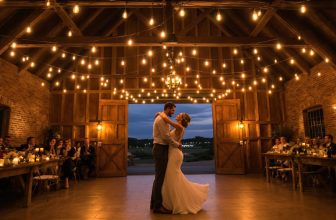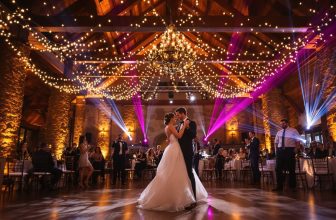
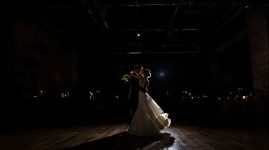
Why Dark Venues Need $3,000+ Lighting (And Bright Venues Need Almost None)
If you’re throwing an event in a dark venue, brace yourself for a $3,000+ lighting bill. Why? It’s all about creating ambiance and capturing great photos. You need uplights, wash, pin spots, and labor just to ensure no one trips over each other in the shadows. Meanwhile, bright venues already have usable light, so you can greatly reduce costs. Stick around to learn how to manage your venue lighting needs effectively.
Quick takeaway: dark venues need more light for ambience and photos; bright venues already have usable light so you can spend less
When it comes to lighting, your venue’s natural light and existing setup are your best friends—or worst enemies. Your venue lighting needs assessment should start with one key question: is your venue dark or bright? This basic inquiry dictates your venue lighting budget. Here’s why:
- Dark Venues: These require more lighting to establish ambience and guarantee photos don’t look like they’re taken in a cave. Rigging fees can also increase costs significantly if the ceiling height is over 15 feet, adding to the complexity and labor of the setup.
- Bright Venues: They already have usable light, so you can spend less—your wallet will thank you.
- Existing Infrastructure: Venues with built-in lighting reduce the need for spending on additional equipment.
- LED Efficiency: Modern LED technology assists in keeping costs low by using less energy and fewer fixtures. LED lighting is not only energy-efficient but also provides a long lifespan, lasting 50,000 to 100,000 hours, which means fewer replacements and maintenance.
Assess wisely; your budget depends on it.
Why dark venues require $3,000+ lighting (uplights, wash, pin spots, labor)
Let’s face it: dark venues are the black holes of the event world, swallowing your lighting budget whole. You can’t ignore the venue lighting needs assessment because dark spaces demand serious investment. Here’s why:
Dark venues devour your lighting budget, demanding a significant investment for adequate illumination.
- Equipment Costs: From $228-$960 for uplights to $198-$600 for moving heads, your rental tab adds up quickly. Lighting can transform ordinary spaces into extraordinary experiences, which is why the investment is often deemed necessary.
- Labor Costs: Installation fees tack on another 20-50%, totaling $300-$1,000 for a $1,500-$2,000 setup.
- Rigging & Power Infrastructure: Power distribution units and cabling add $75-$250 more, as dark venues often lack adequate infrastructure.
- Delivery & Installation/Strike: Setup labor runs $400-$1,000 for complex setups. Dark venues often require professional lighting designers to ensure compliance with safety standards and prevent costly incidents.
Dark vs bright venue lighting: dark venues don’t just dim the lights; they light up your expenses.
Why bright venues need almost none (and what minimal upgrades still help)
Even though a bright venue might seem like a lighting paradise, it’s not exactly a free ride. Sure, you don’t need a massive lighting investment by venue standards, but a venue lighting needs assessment can expose some smart upgrades. Here’s why bright venues need almost none, and what minimal enhancements can still create a difference:
- Ambient Light Utilization: Utilize existing daylight to cut costs.
- Accent Lighting: Small, focused lights can enhance key areas without overdoing it.
- Color Temperature Tweaks: Adjust existing lights for warmth or coolness to match your event’s mood.
- Dimmable Options: Control brightness for different parts of the day or event.
- Proper lighting is essential for visibility and safety, and even bright venues can benefit from strategic lighting adjustments to enhance the overall experience.
For example, integrating intelligent lighting can offer dynamic effects and mood enhancements, even in bright venues. Understanding dark vs bright venue lighting can save you money while ensuring your event still shines.
Before/after table: what changes when you add each lighting element (and what it costs)
Envision this: you walk into a dim venue and think, “How on earth are we going to light this place up?” Well, adding the right lighting elements can transform that dark cave into a vibrant oasis without breaking the bank. Start with a venue lighting needs assessment to evaluate dark vs bright venue lighting. For a dark venue, consider the costs and effects of different lighting stages:
| Stage | Cost & Impact |
|---|---|
| Entry Uplighting | $68-$240; basic color wash, limited transformation |
| Standard Uplighting + Effects | $100-$240; mood setting, still flat without layering |
| Full Uplighting + Textured Patterns | $795+; dramatic ambiance, enhanced visuals |
A thorough venue evaluation can help prevent budget overruns and ensure compliance with all necessary safety standards. Rock N Roll Rentals in Austin, TX, offers a variety of lighting packages that cater to different event sizes and types. A thorough venue lighting evaluation can save you money while creating a memorable atmosphere. It’s all about smart choices, not endless spending.
Photo and video impact: exposure, color temperature, and why pros ask for lighting
When it comes to capturing stunning photos and videos in a venue, lighting isn’t just a nice-to-have; it’s a must-have. A proper venue lighting needs assessment is essential for both dark and bright venues. Why? Because:
- Exposure Requirements: Studio filming demands 1500-2000 lux to prevent underexposed footage. Imagine shooting in a dimly lit barn—it’s a recipe for dull results.
- Color Temperature: Mixed lighting conditions cause color casts. Dark venues often need adjustments to hit that sweet 5600K daylight balance.
- Color Accuracy: Low CRI values make colors look washed out. Aim for a CRI above 90 to nail those vibrant hues.
- Lighting Impact: Lighting controls perception, creating depth in your visuals. Accurate lighting leads to vibrant and true-to-life images, which is why it’s indispensable in a venue lighting evaluation! Additionally, high-quality audio gear is crucial for capturing vows and speeches, ensuring that the narrative of the day is as compelling as the visuals.
Budget strategy: allocate spend by venue type (dark ballroom vs daylight loft vs outdoor tent)
So, you’ve got the perfect venue, and now you’re thinking about the lighting budget. Let’s break it down with a venue lighting needs assessment.
- Dark Ballroom: You’re looking at a significant investment—think $2,500 to $3,000 for a standard event. Those chandeliers? Not enough. Venue lighting evaluation shows you’ll need professional uplighting and perhaps some moving head fixtures. Consider utilizing CTO gels for a romantic effect to enhance focal points like the ceremony backdrop.
- Daylight Loft: Bright venues are a breeze. Strategic focal-point lighting and built-in infrastructure mean minimal costs. Wireless uplighting systems reduce setup time, saving you big bucks.
- Outdoor Tent: A hybrid approach works best. Draped string lights and candles create ambiance without breaking the bank. Wireless tech cuts labor costs.
- Overall: Embrace a smart dark vs bright venue lighting strategy to avoid surprise expenses and keep your wallet happy. Lighting controls audience engagement and event success, so it’s crucial to tailor your lighting approach to the venue’s characteristics.
Questions to ask your venue (dimming controls, house lighting rules, candles/fire policy)
How often do you really think about dimming controls before signing on the dotted line for a venue? It’s essential for your venue lighting needs assessment. Without proper dimming, your event might feel like a disco when you’re aiming for elegance. When conducting a venue lighting evaluation, consider asking:
- What’s the dimming range? Can lights go from full brightness to 10%?
- How are dimmers controlled? Manual, automated, or with occupancy sensors?
- Are dimming controls integrated with audio-visual systems?
- What type of dimmers are used? Resistive, ELV, or smart/programmable?
Knowing which venues need lighting adjustments can save you from unexpected lighting disasters. Dive deep into these details to guarantee the venue matches your vision. Proper lighting adjustments, such as demand response control, are crucial as they ensure lighting power can be reduced based on electricity costs or utility signals, which could be especially beneficial during demand response events. Understanding pricing opacity in venue costs can help you avoid unexpected expenses, such as lighting fees that may not be initially disclosed.
FAQ: ‘Do we really need lighting?’ answered by venue conditions
Ever wondered if you really need to splurge on lighting for your event venue? Here’s the deal: a venue lighting needs assessment is essential. It’s all about deciding between dark vs bright venue lighting.
Consider these factors:
Evaluate venue type, natural light, existing fixtures, and event purpose for perfect lighting.
- Venue Type: Barn venues with minimal windows demand $3,000–$6,000 lighting. They’re like black holes for light.
- Natural Light: Ballrooms with crystal chandeliers might only cost $800–$1,500. They nearly glow on their own.
- Existing Fixtures: Evaluate what’s already there. Why pay for what’s unnecessary? Artificial lighting can disrupt natural wildlife behaviors, which is an important consideration for outdoor venues.
- Purpose of Event: Are you hosting a cozy dinner or a dazzling gala? Each has different lighting needs.
Blank slate venues, often chosen for their creative potential, typically lack on-site lighting, adding additional costs for events held there. Don’t just guess—do a venue lighting evaluation. It saves money and guarantees your event shines.
Educational only: laws, fees, and policies vary—confirm local rules and your contracts before acting
Before you dive headfirst into planning the lighting for your event venue, there’s one little thing you can’t ignore: the laws, fees, and policies that vary depending on where you are. Maneuvering through these regulations can feel like a maze, but it’s essential to get it right. Here’s a quick guide:
- Regulatory Minimums: Cities like Raleigh and Boston have specific lighting requirements, from parking lots to interiors. Don’t skimp here.
- General Standards: States like Connecticut and New York impose rules on glare, shielding, and light trespass. It’s all about being a good neighbor. Lighting regulations encourage energy-efficient designs while protecting the night sky and wildlife habitats. Certain areas may also have additional rules beyond federal regulations, similar to drone restrictions.
- Licensing Fees: Some places, like Raleigh, demand fees for permits. Factor this into your budget.
- Local Variation: Each city has its quirks—research and confirm them to avoid nasty surprises.