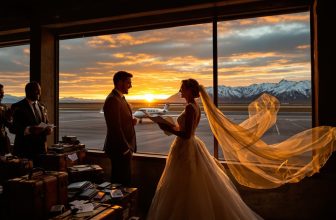

What Destination Wedding Planning Costs (Beyond Regular Planning Fees)
Planning a destination wedding isn’t just pricey—it’s a financial balancing act. On top of your planner’s fees, there’s travel days, swanky lodging, meals, local transport, and the life-consuming site visits. Perks like welcome parties and farewell brunches will gobble up your budget faster than you can say “I do.” But hey, bundle up those events, cut down on visits, and choose local vendors to keep costs from blowing up your wallet. Stick around to discover how to navigate these expenses expertly!
Quick verdict: destination planning costs more because travel time and on-site production days increase—and you usually have more events (welcome, rehearsal, farewell)
1. Let’s not sugarcoat it—destination weddings are costly, and there’s a reason why. You’re not just paying for a ceremony; you’re investing in a full-fledged experience. Location planning expenses pile up as you coordinate multiple events over several days. Here’s why destination wedding planning costs can skyrocket:
Destination weddings are investment-heavy, encompassing much more than just the ceremony itself.
2. Travel Time: Your destination planner fees explained include travel and site visits, adding thousands to your bill. Travel expenses like airfare and accommodations significantly impact the overall costs of a destination wedding, making it essential to budget carefully.
3. Multiple Events: Welcome parties, rehearsal dinners, and farewell brunches mean more logistics and venues. Opting for a simplified drink menu at each event can help keep beverage costs manageable.
4. On-Site Production Days: Unlike a single-day wedding, you’re booking venues and vendors for two to three days minimum.
5. Complex Coordination: Juggling multiple events demands detailed planning and constant communication.
You’re creating memories, but it’s not cheap.
Destination cost stack: planning fee + travel + extra events + vendor sourcing
When you’re planning a destination wedding, the cost stack is a beast you need to tame. You’re not just dealing with the usual expenses; the destination wedding planning costs can skyrocket with destination planner fees explained, travel wedding planner costs, extra events, and vendor sourcing. Let’s break it down:
| Category | Cost Range |
|---|---|
| Planner Fees | $2,400 – $5,000 |
| Extra Events | $3,000 – $10,000+ |
| Vendor Coordination | $1,495+ |
| Total Destination Costs | $15,000 – $40,000 |
High traffic can lead to request blockage, which means that if you’re trying to access services or support from a wedding planning app, you might face accessibility issues due to server overload. You’ll find yourself juggling welcome parties, rehearsal dinners, and vendor negotiations. It’s not just about picking a dreamy location; it’s about managing a complex web of costs. Ensure you understand each layer to avoid financial surprises. Additionally, when planning a wedding at Mexico’s top resorts, be aware of the legal requirements you must meet to ensure your ceremony is recognized.
Travel fee components explained (travel days, lodging, per diem, transport)
Sure, you might think travel fees are just a minor detail, but underestimating them can blow your budget out of the water. Let’s break down the destination planner fees explained regarding travel fee components:
- Travel Days: Planners charge for days before and after the event, not just the wedding day. This accounts for setup and teardown time.
- Lodging: Accommodation costs can hit around $5,000, considering resort fees and unexpected charges. It’s essential to research these costs in advance.
- Per Diem: Meal allowances vary by destination. Some planners include this in the overall budget, while others itemize.
- Transportation: Don’t forget airport transfers and local travel. These add up quickly and are often overlooked in destination planning pricing. Professional planners offer local expertise on venues and vendors, which can be invaluable when managing complicated logistics. Additionally, understanding the cost comparison between barn venues and hotel ballrooms can help couples make informed decisions regarding their destination wedding budget.
Site visits and scouting (when needed and what they cost)
Although it might seem like a simple task, site visits and scouting for your destination wedding can quickly rack up costs if you’re not careful. Here’s the lowdown on what you might face:
Site visits for destination weddings can become unexpectedly expensive if not managed wisely.
- Site Visit Fees: Expect to shell out $500 to $2,000 per visit. That’s just for a look-see.
- Destination Planner Fees Explained: These fees don’t include the regular planning costs, so brace yourself. Venue and ceremony packages typically range from $3,000 to $7,000, playing a significant role in the overall budget.
- Travel and On-Site Coordination: Costs can eat up 50% of your planner’s total fees. Yes, really.
- Destination Planning Breakdown: Total expenses for planning, including site visits, range from $8,000 to $20,000. It’s important to consider that geographic location can significantly influence the pricing of these services.
Extra events: how multi-day schedules change staffing and fees
Planning a destination wedding doesn’t just stop at site visits; it’s a whole new ballgame when you’ve got multi-day events on the roster. You’re not just looking at the standard destination wedding planning costs. Here’s how these extra events impact staffing and fees:
- Staffing Requirements: You’ll need more on-site coordinators, staggered shifts, and separate vendor teams for each event, driving up destination planner fees. Licensed bartenders are often required to ensure safe and legal alcohol service during these events.
- Transportation and Logistics: Managing shuttle services and driver coordination over multiple days can add $3,500-$7,000+ to location planning fees.
- Guest Experience Management: From welcome bags to late-night snacks, extra personnel guarantee guests are entertained and comfortable. With destination weddings often focusing on quality over quantity, these elements become even more crucial.
- Extended Vendor Coordination: Multi-day schedules mean higher photographer and catering costs, as well as increased venue and floral fees.
All-in example budgets: what destination planning adds at three wedding sizes
Let’s talk money. Destination wedding planning costs can quickly escalate, but let’s break it down by size. For a small elopement, you’re looking at under $1,000 for planning. Mid-size weddings average around $2,400, but can range from $1,500 to $5,000. For large, full-service weddings, expect to pay an average of $4,100, with experienced planners reaching $12,000+. In 2025, the average cost of a wedding planner is $2,100, reflecting a steady trend from previous years.
Here’s a snapshot:
| Wedding Size | Destination Planning Cost |
|---|---|
| Small/Elopement | Under $1,000 |
| Mid-Size | $1,500–$5,000 |
| Large/Full-Service | $4,100–$12,000+ |
Destination planner fees explained: Consider travel and logistics. Planning pricing varies by region, affecting your budget. In major metros, hourly rates soar. It’s essential to budget wisely, considering your preferred location and scale.
How to reduce destination planning costs without increasing risk (bundle events, fewer site visits)
If you’re looking to cut down on destination wedding planning costs, it’s time to get strategic without throwing caution to the wind. Start by bundling services and events, which can save you big bucks and keep risks low. Here’s how:
- Group Bookings: Book rooms and venues together. Resorts like Palace provide wedding credits, spa treatments, and private dinners when you meet booking requirements.
- All-Inclusive Packages: Opt for packages that cover everything—ceremony, reception, food, and more. This way, you avoid hidden fees and external vendor costs.
- Utilize Resort Spaces: Use resort amenities for multiple events, cutting additional venue rental costs.
- Local Vendors: They know the area, reducing travel and consultation costs, and often provide better rates off-season. Resorts like Dreams Natura and Secrets Moxche offer perks such as free rooms and spa access, which can further reduce expenses. When planning a beach wedding, don’t forget to secure necessary permits early to avoid delays and ensure a smooth process.
These smart moves keep costs low and stress lower.
Contract clauses to check (force majeure, cancellations, travel reimbursement caps)
When diving into the murky waters of destination wedding contracts, understanding key clauses is your life raft. Let’s keep you from sinking by emphasizing what to watch for:
- Force Majeure: Confirm your contract defines force majeure events like severe weather or pandemics. If not, you’re floating without a paddle.
- Cancellations and Rescheduling: Check if deposits are refundable and the terms for rescheduling. Venues often keep deposits, even during unforeseen events.
- Travel Reimbursement Caps: Travel costs should be based on actual expenses, not a flat fee. This avoids vendors absorbing unexpected price hikes.
- Notification Requirements: Understand the timeframe for notifying others of force majeure events. Typically, you need to act within 14 days. It’s also essential to be aware of any penalties or fees for late payments, as these can add unexpected costs to your overall budget.
Stay sharp, and your wedding will sail smoothly!
FAQ: what couples underestimate most for destination weddings
You might think you’ve got this destination wedding thing all figured out, but guess what? Many couples underestimate some key expenses.
- Guest Costs: You might assume guests will handle their expenses, but with domestic weddings averaging $1,500–$3,500 per guest and international ones $2,500–$5,000, some guests may need assistance.
- Vendor Travel Fees: Photographers and planners charge by the mile and need accommodations. These costs add up fast if you overlook them.
- Pre/Post-Wedding Events: Rehearsal dinners and welcome parties aren’t cheap. Expect to cover $75–$250 per person for these events.
- Seasonal Pricing: Planning during peak seasons? Expect prices to soar. Off-peak dates can save you a bundle. Don’t forget to assess additional rentals like glassware and linens, which can add to unexpected costs.
- Server Connectivity Issues: If you plan to livestream your ceremony, make sure to check for any announcements regarding server status to avoid connectivity issues during high traffic periods.
Don’t let these hidden costs catch you off guard!
Important notes (confirm your contracts and local pricing)
You’re not just planning a wedding; you’re steering through a financial minefield, so confirm those contracts and local pricing details before you pay a cent. Here’s what you need to do: 1) Get itemized quotes in writing—verbal promises are as reliable as a blindfolded tightrope walker. 2) Ask about travel costs because surprise fees aren’t the type of wedding gift you want. 3) Clarify overtime charges to avoid a bill that spirals faster than your dance floor moves. 4) Check for any minimums on services—no one needs an unexpected ‘surprise’ budget increase. Exclusive access benefits at wedding venues can significantly enhance your event, providing a more intimate and personalized celebration. Destination weddings offer the opportunity for relaxation during the engagement period, making them a cost-effective alternative compared to traditional weddings.
Pricing and inclusions vary by market and venue—get itemized quotes in writing
Although numerous people think that planning a destination wedding is a romantic adventure, it can quickly spiral into a financial nightmare if you’re not careful. Here’s a hard truth: pricing varies wildly by market and venue. You might think you’re saving with an all-inclusive package, but without itemized quotes, hidden costs sneak in. Imagine expecting a $5,000 Cancun package only to discover added taxes and fees pushing it to $6,000. Or, selecting a premium venue like a private beach could hike your costs unexpectedly. Get everything in writing. This isn’t just a suggestion—it’s self-defense against budget-busting surprises. Demand itemized quotes detailing every service. It guarantees transparency and assists you avoid those “surprise” expenses that can wreck your budget. Couples often exceed their original budgets, finding the additional spending worthwhile despite the unexpected expenses.
Ask about travel, overtime, extra events, and minimums before you pay a deposit
Ever wondered why your dream destination wedding’s budget seems to balloon before your eyes? It’s not just the tropical views that’ll take your breath away. Before you hand over that deposit, ask about those sneaky travel, overtime, and extra event charges. Vendors don’t work for free; travel costs alone can skyrocket with 56 cents per mile and $130 per night accommodations. And if your reception runs long, brace for overtime fees starting at $250 per hour. Add in rehearsal dinners and farewell brunches, and you’ve got a recipe for skyrocketing expenses. Minimum service charges of 15%-25% on food and drinks? They’re the icing on the cake. Confirm every detail in your contract—you’ll thank yourself later. 63% of guests use credit cards for travel expenses, which can add to the financial burden.