
What Fall Weddings Cost vs. Spring Weddings (Real Data From 500+ Couples)
Fall weddings are pricey, sometimes up to 35% more than early spring weddings, thanks to high demand in September and October. The prime Saturdays are gold, jacking up prices for venues, catering, and those picture-perfect autumn photos. But don’t think spring is a bargain all season; late May and June spike with holiday and graduation competition. Got your eye on a city venue? Expect urban pricing woes. Stick around to uncover strategic budget-saving tips.
Quick verdict: fall can be pricier in many markets because demand concentrates in September/October—spring can be cheaper in early months but spikes in late May/June
Let’s cut to the chase: if you’re planning a fall wedding, brace yourself for a financial rollercoaster. Fall vs. spring wedding cost differences are no joke, thanks to skyrocketing demand in September and October. You’ll find:
Planning a fall wedding? Prepare for a financial rollercoaster with steep September and October costs.
- September-October weddings can cost you around $33,500, due to market concentration.
- Early spring weddings in March-April are budget-friendly, averaging $32,700-$32,800.
- Late spring (May-June) prices spike, with May hitting $33,900, driven by peak-season effects.
- Autumn vs. spring pricing shows fall’s 20-35% premium over spring’s early months.
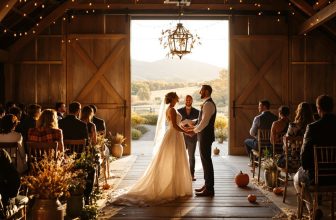
You might think you’re getting a deal in spring, but late spring catches up fast. Wedding costs have fluctuated over the last five years, with prices increasing by about 30% from 2019 to 2024 for similar venues and guest counts. It’s all about timing, so plan wisely to dodge those pricey pitfalls. Barn weddings are one example where costs can vary significantly depending on the time of year and additional expenses related to the venue.
Data sources and what ‘500+ couples’ means (survey/sample notes and limitations)
You might think that “500+ couples” means a massive data pool, but let’s dig a bit deeper. The real source for seasonal wedding cost comparison is The Knot’s 2025 Real Weddings Study. They surveyed 17,000 couples, not just 500. So much for clarity, right? These numbers assist you understand fall vs spring wedding cost differences, but remember, this isn’t a perfect system. Here’s what you should know:
- Sample size confusion: “500+ couples” isn’t the full picture—think 17,000.
- Peak season costs: Fall weddings can be 20-35% pricier. Approximately 50% of couples rely on vendor guidance for budgeting, highlighting the importance of understanding these cost variations.
- Couples planning destination weddings should be mindful of additional vendor coordination fees that can impact the overall budget.
- Data limitations: No monthly breakdowns, aside from November.
- Regional variations: Costs swing wildly across the U.S.
Cost comparison table: fall vs spring (median/average, venue, catering, florals, photo)
When comparing fall and spring wedding costs, the numbers might surprise you. Despite popular belief, spring weddings actually cost more on average. Yes, you read that right! Spring wedding costs run about $33,000, while fall weddings are slightly cheaper at $32,000. Yet, it’s not just about the total price. The average wedding cost in 2024 is $33,000, showing that spring remains a high-demand season within an already competitive market. One reason for the cost difference is that urban areas tend to have higher fees due to demand, and this is especially true during popular wedding seasons like spring.
| Item | Spring Cost |
|---|---|
| Venue | $12,200 |
| Catering | $80 per plate |
| Florals | $2,700 |
Why the price discrepancy? It’s all about timing. Spring hits peak demand, making it the high-priced star of the wedding calendar. The cost per guest remains steady across seasons at $284, so your wallet won’t feel a seasonal pinch there. This seasonal wedding cost comparison shows that timing is everything!
Why fall costs more (limited peak Saturdays, popular colors/themes, photo demand)
Though spring weddings might seem to take the cake due to their upfront costs, there’s a twist when you eye the details: fall weddings secretly siphon more from your wallet. Why? Let’s break it down. Fall has become the peak wedding season—41% of ceremonies happen between September and November. This leads to a fall wedding premium due to:
- Limited peak Saturdays: Everyone wants a weekend affair.
- Popular colors/themes: Those beautiful autumn palettes don’t come cheap.
- Photo demand: Who can resist those golden leaves?
- Seasonal wedding cost comparison: Fall’s popularity spikes prices across the board.
Additionally, September and October are increasingly popular due to mild weather and beautiful scenery, which further contributes to the high demand and elevated costs during the fall wedding season. Many venues offer transparent pricing that reflects these seasonal variations, making it easier for couples to plan their budgets accordingly.
Where spring costs spike (late May/early June, holiday weekends, graduation season)
Spring weddings might seem like the budget-friendly option at first glance, but don’t be fooled. Costs can spike considerably due to seasonal pricing differences. Late May and early June bring hidden expenses thanks to:
Spring weddings appear cheaper, but beware of hidden costs in late May and early June.
- Holiday weekends: Venues know you’re competing with vacation plans.
- Graduation season: It’s not just caps and gowns that contribute to this time being pricey.
- Limited availability: Everyone seems to want the same few weekends. For those booking their weddings between September and November, it’s important to note that 41% of weddings occur during this period, which might affect costs and availability.
- Fall vs spring wedding cost: A seasonal wedding cost comparison shows spring isn’t always cheaper.
While the numbers ($33,000 average) appear lower than summer’s $34,000, the devil’s in the details. With the average cost per guest at $284, a crowded calendar can really jolt your budget. Hidden costs include linens, china, and glassware that can unexpectedly increase your expenses. So, watch out for those “friendly” springtime dates—they might just surprise you.
How to interpret the data for your market (urban vs rural, destination vs local)
Maneuvering the wedding cost landscape is like finding your way through a financial maze. You need to decode the fall vs spring wedding cost, especially when considering urban vs rural and destination vs local markets. Here’s how:
- Urban vs Rural: Expect to pay about $10,000 more for urban weddings. Cities are pricey, thanks to higher venue and vendor rates—think of it as the fall wedding premium. Urban venues, such as hotel ballrooms, offer bundled services which can simplify budgeting despite higher base costs.
- Regional Variations: Costs in New York could be double those in Kansas. Seasonal wedding cost comparison unveils regional quirks.
- Destination vs Local: Destination weddings mix service bundles differently. Local weddings present clearer pricing but less glam.
- Peak vs Off-Peak: Save 20-30% by opting for off-peak dates, especially in bustling metros. Couples often report exceeding their original budget, but find the additional spending worthwhile.
Navigate wisely, and you’ll keep costs in check.
Actionable takeaways: which line items shift most by season
Let’s cut to the chase: wedding costs shift dramatically between spring and fall, and you’d be wise to get a handle on which line items hit hardest. Here’s what you’re looking at:
Wedding costs fluctuate significantly between spring and fall; understanding the most expensive items is crucial.
- Venue Booking & Availability: Fall venues throw discounts your way, thanks to extended booking windows and fewer Saturday rushes. Spring? Not so much, with rates soaring due to high demand.
- Vendor Labor & Service Costs: Fall’s your friend here—more vendor availability means better rates. Spring vendors? They’re booked solid, so expect premium pricing or second-tier quality.
- Floral & Décor Expenditures: Spring’s fresh flowers save cash, but fall’s cozy aesthetics cut premium floral needs. It’s crucial to verify the backup plans at outdoor venues, as fall weather can be unpredictable.
- Catering Per-Guest Economics: Seasonal dishes impact pricing. Spring’s fresh harvest means higher costs, while fall ingredients keep things cost-effective. Late fall through early spring is considered off-season for weddings, providing a strategic advantage for budget-conscious couples.
FAQ: best months for value and how far ahead to book
While we’ve dissected the costs that shift between spring and fall weddings, it’s time to tackle the million-dollar question—or more specifically, the $10,000 question: when’s the best bang for your buck? If you’re aiming to save without sacrificing your dream day, consider these options:
- Winter and Weekday Weddings: You can save 20-30% on vendor costs.
- January-March or October-December: These months average $32,000 and present great value.
- Flexibility is Key: Off-peak dates allow shorter booking windows and less stress. Transportation costs can also vary significantly depending on the season, with peak wedding months often incurring higher rates.
- Peak Season Planning: Book well in advance—Saturday events during April-June are hot tickets.
In short, if you’re willing to be flexible, you can have your cake and eat it too—literally. Notably, couples spending under $15,000 typically invite an average of 89 guests, emphasizing how guest count can significantly impact wedding costs.
Important notes (confirm your vendor quotes and policies)
Before you get swept up in the excitement of planning, create sure you confirm all your vendor quotes and policies because surprises can be costly. Vendors aren’t shy about charging for every little thing, so watch out for hidden fees like these:
- Minimum order requirements
- Shipping zones and associated charges
- Rush fees for last-minute requests
- Service charges tacked on for “convenience”
Get those itemized quotes in writing before you hand over any deposits, or you might find your budget disappearing faster than cake at the reception. Confirm whether service style costs such as staffing for plated dinners or buffets are included in your initial quotes to avoid unexpected expenses. With scammers targeting wedding vendors through fake inquiries, it’s essential to verify the authenticity of communication to avoid potential financial losses.
Prices vary by region, season, and service level—get itemized quotes in writing
Maneuvering the costs of a wedding can feel like an epic quest, right up there with finding the perfect dress or suit. The trick? Prices fluctuate wildly based on region, season, and service level. In the Northeast, winter weddings cost less, while the Southwest charges a premium in spring and fall. If you’re getting married in big cities like Manhattan, brace yourself—rates skyrocket no matter the season. An itemized quote is your best weapon. Insist on it. This isn’t just a nice-to-have; it’s a must. Compare vendor quotes across service levels—like venues ranging from $4,000 to $20,000+. Be savvy: off-peak dates can save you 20-30%. Mixing vendor tiers can also help in building a balanced budget that reflects true priorities. In wedding budgeting, knowledge isn’t just power; it’s savings.
Watch for minimums, delivery zones, rush fees, and service charges before deposits
Getting a handle on wedding costs is rather like herding cats, especially when those hidden fees crawl out of the woodwork. Before you get too deep into planning, scrutinize those vendor contracts. Venues often slap you with food and beverage minimums—they’ll require you to pay for 150 guests even if only 130 show up. Many venues have a revenue minimum, which ensures they can cover operational costs and maintain quality service. Rush fees can blindside you if you book late, starting at $75 just for signing within two weeks of the date. And let’s not forget those sneaky service charges, which can range from 15-25% of your bill. They aren’t tips, either, so check your contract unless you enjoy double-tipping. It’s a financial minefield, but with careful planning, you can avoid stepping on any budget-busting surprises.