
Outdoor Spring Wedding vs. Indoor With Garden View: Which Handles Weather Better?
An indoor wedding with a garden view typically handles unpredictable spring weather better than an outdoor one. You’ll avoid the rain-soaked chaos and relentless wind that can turn your romantic ceremony into a logistical nightmare. Plus, there’s no need for the costly ‘what if’ extras like tents. Indoor venues provide consistent lighting and climate control, ensuring comfort and breathtaking photos. Want to see if your instincts match the stats?
Quick verdict: indoor-with-garden-view is usually lower risk and similar photo payoff; outdoor spring weddings feel magical but require a real (funded) backup plan
When it comes to choosing between an indoor wedding with a garden view and an outdoor spring ceremony, it’s all about weighing your risks and rewards. Outdoor vs indoor spring wedding options showcase a clear weather venue comparison. Outdoor spring weddings feel magical but need a real, funded backup plan due to spring ceremony outdoor risks. Indoors, you’re shielded from unpredictable rain and gusty winds, avoiding the hassle of emergency protocols.
Consider these factors:
- Weather Reliability: Indoor venues eliminate the constant rain worry—40-50% chance in April’s showers.
- Cost Balance: Outdoor ceremonies require tents ($2K-$4K) on top of venue fees, while indoor spaces deliver stable costs. Barn venue costs can vary significantly based on location and time of year, impacting your overall budget.
- Photo Quality: Indoor settings with garden views provide consistent lighting, avoiding harsh shadows, and unpredictable weather hiccups. Additionally, indoor venues ensure guest comfort with amenities like mini fans for hot days and matching throw blankets for cooler nights.
Choose wisely!
At-a-glance comparison: outdoor spring wedding vs indoor with garden view (risk, cost, photos)
Choosing between an outdoor spring wedding and an indoor venue with a garden view can feel like a high-stakes game of weather roulette. Outdoor vs indoor spring wedding choices boil down to balancing cost, risk, and photo opportunities. Spring ceremony outdoor risks include unpredictable rain and wind, while an indoor garden wedding provides weather security with crystal-clear photo conditions. Outdoor weddings offer natural beauty that appeals to many couples who love nature, but they come with the responsibility of having a detailed Plan B due to weather uncertainties. For those considering cost-effectiveness, barn venues can offer a romantic ambiance but often come with additional expenses for rentals and weather plans.
| Comparison | Outdoor Wedding | Indoor with Garden View |
|---|---|---|
| Risk | High (rain, wind) | Low (controlled climate) |
| Cost | $3K–$6K + extras | $5K–$9K all-inclusive |
| Photos | Weather-dependent | Consistent quality |
Outdoor setups can cost more than you’d expect, especially with all the extras. Meanwhile, indoor options eliminate most weather woes. Choose wisely!
Weather handling: what goes wrong outdoors in spring (rain, wind, mud) and what it costs to fix
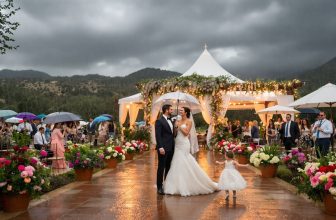
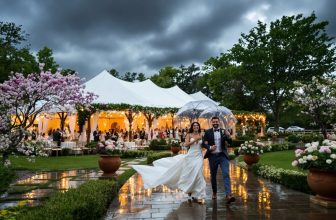
Outdoor spring weddings might seem like a fantasy realized, but let’s be real: Mother Nature doesn’t always RSVP. Spring ceremony outdoor risks are real, and here’s what could go wrong:
Mother Nature’s unpredictability can turn outdoor spring wedding dreams into weather-fraught challenges.
- Rain and mud: With a 40-50% April rain chance in many regions, unexpected showers can turn your picturesque venue into a mud pit. Muddy grounds can ruin attire and footwear, costing extra in cleanup. To prevent additional transport fees and other hidden costs, consider planning for potential weather disruptions early.
- Windy conditions: Wind gusts over 30 mph can topple decorations and tents, leading to potential evacuations. To mitigate these risks, you might need to invest in stronger tents or additional protection, which can further drive up costs.
- Temperature swings: One minute it’s sunny; the next, it’s chilly. These unpredictable shifts can make guests uncomfortable.
In the outdoor vs indoor spring wedding debate, spring venue weather risks can lead to substantial costs for tents, flooring, and additional protective attributes.
Cost stack table: outdoor + tenting vs indoor venue (typical add-ons)
Let’s plunge into the dollars and cents of outdoor spring weddings versus their indoor counterparts with garden views. Spoiler alert: outdoor ceremonies have hidden costs. While outdoor venues might initially appear affordable, don’t be fooled. Consider spring ceremony outdoor risks—rain, mud, and wind. You’ll need a tent, flooring, and possibly a backup venue for peace of mind. Outdoor venues benefit from natural beauty, reducing decor needs, which can be a cost-saving factor. Many outdoor garden venues offer transparent pricing and weather backup plans to help couples prepare for unforeseen conditions.
Here’s a quick cost breakdown:
| Expense | Outdoor (Spring) |
|---|---|
| Tent/Covered Space | $1,500–$5,000+ |
| Flooring | $500–$2,000+ |
| Lighting Setup | $800–$3,000+ |
| Heating/Cooling Equipment | $500–$2,500+ |
| Portable Restrooms | $500–$1,500+ |
In contrast, a garden view venue bundles most necessities, sparing you surprise expenses. While pricier upfront, it saves you from weather-induced headaches.
Photo and guest-experience comparison (lighting, comfort, timeline flexibility)
When it comes to capturing those picture-perfect wedding moments, the battle between outdoor and indoor venues is no small matter. Outdoor vs indoor spring weddings provide different challenges, especially regarding lighting, comfort, and timeline flexibility. You might think a spring outdoor ceremony grants the best lighting with its natural golden hour glow, yet consider the risks:
- Lighting Magic: Outdoor, expect vibrant floral hues under natural light. But clouds and rain? They steal that magic. Adding bistro lights can create an intimate atmosphere, enhancing guest experiences even when the natural light falters.
- Comfort Matters: Those spring breezes feel nice—unless they bring showers. Indoors, climate control keeps guests comfy.
- Timeline Flexibility: Outdoors, the weather dictates your schedule. Indoors, you set the pace, rain or shine. Additionally, indoor weddings offer consistent conditions that ensure a seamless flow of events, regardless of external factors.
Decision checklist: choose outdoor if… choose indoor-view if…
If you’re caught between the allure of an outdoor spring wedding and the reliable charm of an indoor garden-view venue, let’s get real about what’s at stake. Outdoor weddings embrace nature’s beauty but come with weather unpredictability. Here’s a quick checklist:
- Choose outdoor if…
- You relish the idea of blooming flowers as your backdrop and are okay with a rain plan.
- You want your guests to enjoy fresh air without the need for artificial cooling.
- You’re on board with potential cost savings from nature’s décor.
- Outdoor settings may offer a more intimate and exclusive experience, similar to private beaches, but require careful planning.
- Choose indoor-view if…
- You crave the peace of mind that no storm will crash your big day.
- You prefer stable temperatures and zero guest complaints about heat.
- You want guaranteed protection for your floral arrangements.
- The humid subtropical climate of the region means you need to consider floral arrangement freshness and durability.
Backup plan template you can copy (triggers, vendor calls, flip timeline, floor plan)
Planning an outdoor wedding can feel like you’re rolling the dice with Mother Nature, so having a rock-solid backup plan isn’t just smart—it’s crucial. The unpredictability of weather demands a proactive approach. Here’s a simple plan you can copy:
Rolling the dice with Mother Nature requires a rock-solid backup plan for your outdoor wedding.
- Triggers & Vendor Calls: Set your weather forecast system 72 hours before the event. If rain exceeds 50% probability, notify vendors immediately. Don’t wait for a storm to create a splashy entrance. Utilize mass texting capabilities to provide immediate updates to all guests about any weather changes.
- Flip Timeline: Schedule vendor meetings at 2 weeks, 1 week, and 48 hours before the event. This guarantees everyone’s on the same page.
- Floor Plan: Confirm backup spaces with tent or pavilion rentals. Keep your guests dry and your sanity intact. Weather uncertainty can impact plans, making these measures essential.
No one likes a soggy ceremony. Be ready!
FAQ: when to decide on tenting and how to communicate plan B to guests
Isn’t it charming how weather can turn your dream wedding into a soggy mess? Deciding on tenting and communicating plan B takes foresight and action. Book your tent 9-12 months in advance during peak season to dodge last-minute price hikes and inventory shortages. Consider having a backup plan for unexpected weather changes to ensure guest comfort and avoid any disruptions. A hosted bar option can provide predictable costs and enhance guest satisfaction, making it a suitable choice for weddings. Here’s how to keep your guests informed:
- Save-the-Date Cards: Include a note about potential Plan B. Guests appreciate heads-up on possible changes.
- Email Updates: Send updates as the date approaches. Use light humor to keep the mood upbeat.
- Wedding Website: Maintain a section dedicated to weather-related updates. It’s a central hub for last-minute info.
Communicate clearly, plan early, and minimize weather-induced stress. After all, a small amount of rain shouldn’t dampen your big day!
Important notes (confirm your vendor quotes and policies)
You’d think booking a wedding vendor would be straightforward, but surprise! Prices can swing wildly based on region, season, and service level, so get those quotes itemized and in writing to avoid any nasty surprises. Before you hand over a penny, ensure you’re not blindsided by hidden costs. Here’s what to watch out for:
- Minimums and Distribution Zones: Some vendors have minimum order requirements or charge extra if you’re outside their usual distribution area.
- Rush Fees and Service Charges: Need something in a hurry? That’ll cost you. And don’t forget those pesky service charges.
- Deposit Details: Understand exactly what your deposit covers and when it’s refundable, if at all.
It’s crucial to have financial transparency through written quotes to avoid hidden fees that can inflate costs beyond initial expectations. Outdoor weddings offer beautiful scenery and stunning natural landscapes that enhance the guest experience.
Prices vary by region, season, and service level—get itemized quotes in writing
When you’re planning a wedding, nothing really prepares you for the sticker shock of venue costs that vary wildly by region, season, and service level. In Los Angeles, an outdoor venue might seem like a bargain—until you tack on tents, permits, and generators. Suddenly, your savings vanish like champagne at the reception. Ventura County provides milder spring and fall weather, reducing costs for climate control—but don’t get too comfortable. Coastal winds can hike up fan and heater rentals. The kicker? Permits in public spaces can add unexpected charges. Always get itemized quotes in writing. Don’t fall for vague estimates; clarity prevents budget disasters. Whether indoor or outdoor, understand every expense. It’s your wedding, not a financial guessing game. Indoor venues typically offer bundled pricing that includes various services such as tables, chairs, and basic décor, making costs more predictable and stable.
Watch for minimums, delivery zones, rush fees, and service charges before deposits
Before you dive headfirst into wedding planning bliss, let’s talk about the hidden costs that can sneak up on you faster than your aunt’s dance moves after a glass of bubbly. Watch out for those sneaky service charges, ranging from 15-25% of your catering bill, and remember, gratuity might still hit you for another 10-20%. Don’t forget shipping and setup fees—they can range from $50 to over $500. Minimum food and drink spends are the norm, so know your venue’s requirements. Vendors might slap on rush or overtime fees if you’re not careful, possibly adding $50-$200 per hour per staff member. Always confirm these details in writing before dropping any deposits, or you might end up with a budget-busting surprise. It’s crucial to establish strong communication protocols with vendors to ensure everyone is on the same page and prevent any misalignment that could lead to unexpected expenses.