Why Spring Flowers Peak in May (Seasonal Bloom Calendar and Cost Implications)
Spring flowers hit their peak in May because the weather’s just right for blooms like peonies and tulips to strut their stuff. That’s when you’ll find the biggest variety, but brace yourself for sky-high demand and competition. Local, in-season flowers can save you some cash and hassle, maximizing freshness and minimizing your carbon footprint. The key? Timing your event to flower availability and smart substitutions. Want to know what blooms when without breaking the bank? Keep going.
Quick takeaway: May often has the widest spring bloom variety, but it can also carry peak-demand floral pricing in many markets
When it comes to spring blooms, May’s the month to watch. You’ll find the highest variety and peak availability, but brace yourself for some wallet-tightening. The spring flower bloom calendar underscores May as a time when many species like peonies and tulips hit their stride. Here’s why May’s both a floral wonderland and a budget buster:
- Peony Perfection: Known as “the king of flowers,” peonies bloom brightly in May, flaunting ruffled petals and intoxicating fragrance.
- Tulip Time: May sees tulips in almost every color imaginable, except true blue.
- Carnation Carnival: Expect a vibrant tapestry of colors from soft pinks to fiery reds.
- Lilac and Phlox Parade: Early to mid-May sees these beauties blooming, adding charm to any bouquet.
Florists like Flora Good Times emphasize the importance of using local, seasonal flowers, which are often freshest and most cost-effective during their peak bloom periods. Additionally, during high traffic floral seasons like May, excessive traffic can lead to temporary outages or connectivity issues when ordering online, so be prepared for potential delays. Yes, timing is everything!
Spring bloom calendar overview (what blooms peak when)
Let’s cut to the chase: timing your floral purchases is like playing a strategic game of chess, and knowing the spring bloom calendar is your secret weapon. In California, the seasonal bloom timing begins with magnolias and mustard fields in late January. By March, tulips and daffodils take center stage, while poppies and ranunculus hold their ground till May. As flowers hit their may flower peak, you get the broadest selection and best deals. With a variety of blooms like wildflowers typically appearing from March to April or May, California’s diverse floral landscape promises vibrant displays throughout the spring.
| Month | Northern California Blooms |
|---|---|
| January-March | Magnolias, Mustard Fields, Calla Lilies |
| March-April | Tulips, Daffodils |
| March-May | Poppy Fields, Lupines, Ranunculus, Irises |
| May-August | Lavender (peaks June) |
In Southern California, expect earlier blooms due to warmer weather. Plan wisely, and your floral budget will thank you.
May peak explained: why availability and demand collide
While May might appear to be the perfect time to tie the knot with its peak floral abundance, there’s a catch that savvy couples need to know. The spring flower availability in May is unmatched, but demand spikes can throw a wrench into your plans. Here’s why:
- May flower peak: Everyone wants those stunning blooms, leading to competition.
- Spring bloom schedule: Many flowers, like peonies and tulips, hit their stride, making them both abundant and sought after.
- Cost Dynamics: Although availability is high, demand can drive prices up unexpectedly. It’s not always the bargain it looks like.
- Timing is Everything: Plan carefully to align your wedding with the sweet spot of availability and cost. If you find yourself blocked from accessing valuable resources like cherryblossomwatch.com, it might be due to security measures triggered by certain user actions. Don’t get caught unprepared!
- For couples planning a wedding, considering the options of florists, DIY, or grocery store flowers is crucial for managing floral budget and aesthetics effectively.
Bloom-by-bloom calendar (early spring → late spring) with ‘best’ wedding windows
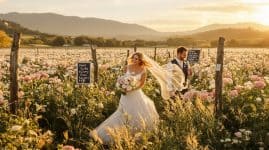
May’s floral bounty might render it seem like the perfect time to express “I do,” but savvy couples know that timing is everything when it comes to wedding blooms. The spring flower bloom calendar provides a roadmap to your floral dreams. Early spring’s magnolias and calla lilies yield to mid-spring’s vibrant ranunculus and poppies. But it’s May’s flower peak that truly steals the show with roses and tulips in full swing. In California, the super bloom potential can offer a spectacular backdrop for weddings, as significant rainfall this winter has set the stage for lush and colorful fields. Knowing the seasonal availability of flowers can help couples make informed choices and potentially reduce overall floral costs.
| Bloom | Best Time for Weddings |
|---|---|
| Magnolias | Late January–April |
| Ranunculus | March–mid-May |
| Roses | April–October |
| Tulips | February–April |
The savvy couple plans around the spring bloom schedule, choosing dates when their favorite flowers are not only at their best but also most affordable. Timing, as it is said, is everything.
Cost implications: which blooms are cheaper in May vs more expensive (by region)
Steering through the world of wedding flowers is rather like playing a strategic game, with May being the month where you can score some serious wins. Thanks to the spring flower bloom calendar, May flower peaks present you a chance to save on costs. Peonies, garden roses, and hydrangeas are at their most affordable, cutting down your floral budget considerably. Beware, though, regions have their quirks. The flower selection impacts pricing significantly, as certain blooms are more abundant and thus cheaper during their peak season. Choosing in-season flowers can reduce costs by up to 25%, making it a smart strategy for budget-conscious couples.
| Region | May Flower Costs |
|---|---|
| California | $171.00 |
| Illinois | $163.90 |
| Texas | $196.50 |
| New York | $237.50 |
| Alaska | $290.90 |
In regions like Alaska, air freight bumps up prices, making blooms pricier. Meanwhile, peonies sourced locally in May save you from the exorbitant costs seen with out-of-season imports.
How to get the May look for less (substitutions, fewer focal stems, reuse plan)
Getting the stunning May flower look without breaking the bank is totally doable, if you’re smart about it. Follow the spring flower bloom calendar to optimize your floral budget. Peak availability in May means perfect timing for that dream wedding look. Here’s how:
- Substitute Wisely: Double tulips or carnations mimic expensive peonies, while garden roses provide the same elegance as Itoh peonies. Ranunculus adds ruffled charm without the hefty price tag. Consider using seasonal flowers which are more cost-effective than those out-of-season.
- Simplify Focal Points: Large blooms like hydrangeas fill space, so use fewer stems. Stick to 1-2 flower types for centerpieces.
- Embrace Greenery: Eucalyptus and ferns cultivate lushness cheaply. Add herbs like rosemary for texture and scent.
- Reuse Smartly: Silk flowers last longer, and greenery can transform into garlands and table runners. Purchasing flowers in bulk can lead to significant savings, especially for large events like weddings.
Planning checklist: ask your florist these seasonality questions
Why is it that planning a wedding during the peak flower season feels like maneuvering through a minefield? It’s because you need to ask your florist the right seasonality questions to avoid unexpected surprises. Here’s your go-to checklist:
Navigating peak flower season weddings requires strategic questioning to dodge unexpected surprises.
- Setup Timing & Constraints: Verify the exact hours your florist needs for setup before the ceremony. May’s peak season compresses schedules.
- Delivery Locations & Logistics: Confirm how many delivery locations are included in your price. Multiple locations often mean extra trips and charges.
- Weather Contingency Plans: Make sure your contract includes a rain plan. Outdoor arrangements can vanish with a drop of rain. Since temperature is a critical factor for blooming, it’s essential to consider how weather changes might affect flower availability and quality.
- Timeline for Changes: Know your deadline for changes—usually 30 days before the event. May’s high demand shrinks sourcing windows.
Don’t sidestep these questions.
FAQ: ‘in season’ vs ‘available’ and how substitutions work
Ever wonder why your floral budget spirals out of control when you opt for “in season” blooms? It’s because local availability and quality matter. Let’s break it down:
- Local vs. Imported: “In season” means locally-grown, naturally blooming flowers, which are cheaper than their imported counterparts. Importing spirea? Brace for a cost hike.
- Quality Matters: In-season flowers like peonies last longer—up to 10 days. Off-season, they barely endure.
- Environmental Impact: Local flowers require less transport and fewer pesticides. Imported flowers? They increase your carbon footprint and your bill. Utilizing seasonal blooms not only saves money but also supports sustainable practices.
- Substitution Strategy: Not all flowers swap easily. Color and function must align. Yellow daisies replace other daisies, not just any yellow flower. Consider shape and size when making substitutions to ensure they match the original design and purpose.
Choose wisely, and your budget will thank you.
Important notes (confirm your local vendors, venue rules, and contracts)
When planning your spring wedding with May’s peak flowers, it’s essential to confirm local vendors and venue rules to avoid costly surprises. Prices can swing dramatically based on market and season, so make sure you get itemized quotes in writing. And since weather can be a fickle guest, devise a solid backup plan and buffers. Consider that early booking is crucial during peak wedding season to secure desired vendors and avoid last-minute disappointments. Barn weddings, for instance, often have hidden costs that can increase total expenses by 17-22%. Here’s what you need to do:
- Get everything in writing: Itemized quotes save you from post-wedding sticker shock.
- Plan for weather: Formulate a solid backup strategy that accounts for unpredictable conditions.
- Check vendor availability: Confirm dates well in advance to secure your top choices.
- Understand venue rules: Familiarize yourself with any restrictions to avoid last-minute headaches.
Prices and availability vary by market and season—get itemized quotes in writing
Let’s face it—getting a handle on market prices and availability for wedding flowers isn’t just a nice-to-have; it’s essential if you want to avoid getting hit with surprise costs. Tariffs and import costs can drive flower prices up by 10-25%, affecting your budget. With 80% of U.S. flowers imported, factors like tariffs on Colombian and Dutch blooms hit hard. Out-of-season flowers? They’ll cost you more due to longer import distances and handling needs. For security of the community, platforms like BloomNation employ firewalls to ensure a trusted environment for floral transactions. Itemized quotes aren’t just paperwork; they’re your shield against unexpected hikes. Insist on quotes detailing tariffs, bloom availability, and potential substitutions. It’s not just about picking pretty flowers—it’s about ensuring your dream wedding doesn’t become a budget nightmare. Get everything in writing. Now.
Weather and safety planning matter—build a real backup plan and buffers
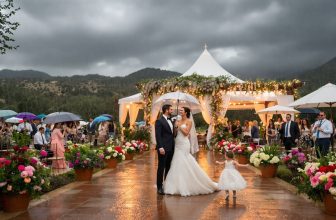
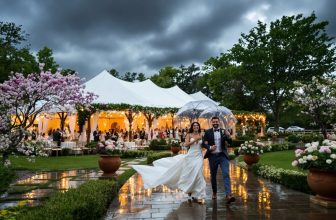
You’ve nailed down the budget, but here’s a plot twist: weather and safety. Envision this: rain clouds crash your outdoor spring wedding. Without a backup plan, those savings could wash away. Start by confirming your vendors have contingency strategies. Ask them about tents, alternate indoor spaces, or rescheduling options. Trust me, it’s worth it. At the New England Botanic Garden at Tower Hill, visitors can enjoy a variety of flowering plants during their visit, making it a beautiful and versatile venue choice. Next, get cozy with your venue’s rules. Know the ins and outs of their safety protocols. Some might require additional permits for temporary structures. Contracts are your safety net—ensure they cover unexpected weather delays or cancellations. Create time buffers into your schedule to handle rain or other hiccups. This isn’t just cautious—it’s smart planning. Don’t let unpredictable weather ruin your big day.