
What Sage Green Weddings Cost (Florals, Linens, and Trending Color Premiums)
So, you’re dreaming of a sage green wedding? It sounds dreamy, but your budget might take a hit. While not inherently pricey, those eucalyptus florals cost more than standard greenery, and unique linens don’t exactly scream cheap. Want to trim cost without losing luster? Consider strategic greenery zones and bud vases. Be warned, color surcharges on those trendy hues can bloat expenses. Curious how to juggle elegance and economics? You’re just scratching the surface.
Quick verdict: sage green weddings aren’t inherently expensive, but greenery-heavy designs and specialty linens can add up fast
Let’s talk about the allure of sage green weddings. They’re not inherently expensive, but certain choices can skyrocket your budget. Sage green wedding costs hinge on eucalyptus floral costs and unique linens. You might think greenery is budget-friendly, but think again. Here’s why your green wedding budget might spiral:
- Eucalyptus florals: At $4-$6 per stem, these aren’t your standard $1-$2 greenery. Expect to pay a premium for that trendy touch.
- Unique linens: Coordinating linens cost $18-$28 per piece, compared to $10-$15 for neutrals. That sage hue doesn’t come cheap.
- Trending color surcharge: Popular colors like sage often carry hidden costs, just because everyone wants them. With floral recommendations suggesting you allocate 8-10% of your wedding budget to flowers, these costs can quickly add up if not carefully planned. To mitigate these costs, consider working with florists offering transparent pricing to avoid financial surprises.
Plan wisely, or watch your expenses grow like wild vines.
Cost breakdown table: sage green spend areas (florals/greenery, linens, rentals, stationery)
Thinking sage green will save you money? Think again. Sage green wedding costs are not just about picking a pretty color. There’s a sage color premium pricing to take into account, especially for eucalyptus wedding expenses. Sage green florals and linens come with a price tag that’s often higher than neutral tones. A historic and elegant venue like Davids Country Inn might complement this color scheme beautifully, but remember to consider additional expenses like exclusive-use packages. Arranging flowers for 150 guests could require over 20 hours of labor for DIY projects, making professional florists a valuable option for many couples. Here’s a simple breakdown:
| Spend Area | Cost Range |
|---|---|
| Florals/Greenery | $6,345 – $7,600+ |
| Linens | $18 – $28 per piece |
| Rentals | $20 – $40 per item |
Yes, those eucalyptus stems aren’t cheap. You’ll pay $4-$6 a stem versus $1-$2 for standard greenery. And those unique linens? They can run you $28 a piece, compared to $15 for basic options. So, plan wisely!
Florals and greenery: what drives totals (install labor, garlands, aisle decor)
When you’re planning a sage green wedding, don’t just dream about soft hues and romantic vibes—brace yourself for the sticker shock, especially with florals and greenery. The sage green wedding costs can skyrocket due to sage color premium pricing and trending color costs. Why? Let’s break it down:
- Installation Labor: Making greenery look effortless is anything but. Labor for garlands and installations isn’t cheap, often matching floral setups. The cost of florists can range significantly, with expert artistry and professional services contributing to higher expenses.
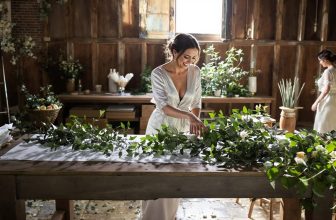
- Garlands: Fresh eucalyptus garlands run $15–$25 per foot. Elaborate arrangements mean higher labor costs.
- Aisle Decor: Starting at $175 for ground floral arrangements, aisle decor adds up quickly. Sage Greenery is a cost-effective option for DIY floral arrangements, providing excellent texture while remaining versatile for both large installations and intimate tablescapes.
Linens and rentals: when sage requires specialty fabric/colors (and typical premiums)
While you might think sage green is just another color on the wedding palette, your wallet will strongly disagree, especially when it comes to linens and rentals. Sage green wedding costs can skyrocket due to distinctive fabrics. Here’s why:
- Fabric Choices: Standard polyester/cotton blends are the cheapest. But if you want elegance, you’re looking at $16 to $100+ per tablecloth for unique fabrics like sage crinkle taffeta or Josephine floral patterns.
- Premium Pricing: Sage color premium pricing means even simple items like dinner napkins can cost $1.52–$4.90 each. Sage Josephine is a popular option available for each item, including table runners and dinner napkins, and is part of the Adora Collection.
- Reversible Options: Dupioni linens offer two looks in one. But don’t let that lure you into ignoring the added sage green pricing.
Simply put, sage elegance isn’t cheap.
All-in examples: same guest count at three design tiers (minimal / balanced / lush)
You’ve got the sage green linens sorted, and now you’re ready to see how the overall wedding budget shakes out. It’s a delicate dance between style and spending, and your choice of minimal, balanced, or lush arrangement tiers will determine the final tally. Weddings are unique; spending can vary widely by preferences. Keep in mind that floral costs typically represent 10-15% of the overall wedding budget.
| Arrangement Tier | Floral Subtotal | Overall Spend |
|---|---|---|
| Minimal | $1,040-$1,600 | $13,000-$15,000 |
| Balanced | $3,060-$4,450 | $36,000 |
| Lush | $7,650-$12,900 | $40,000+ |
Minimal’s for those who’d prefer not to blow the budget on blooms. Balanced hits the sweet spot, keeping things stylish yet sensible. Lush? It’s for when you want to wow, and you’ve got the wallet to match. Choose wisely—your bank account will thank you later.
How to reduce cost without losing the look (strategic green zones, bud vases, candles)
Cutting costs without losing the look of your sage green wedding can feel like you’re trying to win a game of Jenga while blindfolded. But don’t worry, there’s a method to the madness! Here’s how you can maintain your wedding stylish without breaking the bank:
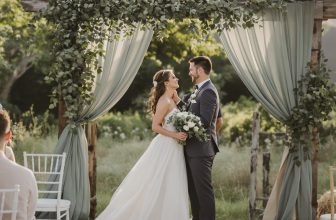
- Strategic Green Zones: Focus on key areas like the altar or head table for high-impact greenery instead of spreading it thinly everywhere. This produces a lush look where it counts most. Venue and catering often account for 40-45% of total wedding expenses, so strategically allocating your budget to impactful décor can ensure you make the most of your event’s aesthetic investment. Consider opting for standard linens included in venue packages to cut down on rental costs while maintaining elegance.
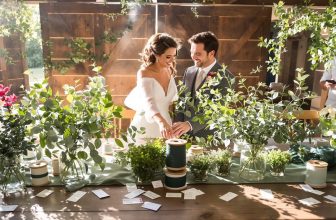
- Bud Vases: Use these small but elegant containers with single stems to provide tables a fresh, chic vibe without the cost of full arrangements.
- Candles: Swap some florals for candles. They’re budget-friendly and add warmth and ambiance, making your event feel cozy and inviting.
FAQ: is dried greenery cheaper and does it photograph well?
So, is dried greenery really cheaper and does it photograph well? Absolutely. Dried flowers cost a fraction of fresh ones, slashing your floral budget considerably. Dried arrangements can cut floral costs by one-third to one-half, a massive saving when the average florist bill is already steep. Plus, no refrigeration or unique care is needed, reducing operational costs. Not only are they cost-effective, but dried flowers are also sustainable, offering a more eco-friendly option for weddings.
And the photography? Dried flowers are a dream for the camera, especially if you’re aiming for a vintage vibe. They excel in:
- Vintage-styled shoots: Perfect for rustic or bohemian aesthetics.
- Water arrangements: They float attractively, unlike most fresh flowers.
- Macro photography: They capture textures authentically, unlike artificial flowers.
In short, dried greenery’s cost-effectiveness and photographic appeal render it a standout choice.
Important notes (confirm your local vendors, venue rules, and contracts)
You’re planning a breathtaking sage green wedding, but don’t let unexpected surprises disrupt your budget. Prices and availability vary by market and season, so get itemized quotes in writing—otherwise, you’re just hoping for the best. Sage green enhances any wedding style from rustic to sleek, making it a versatile choice that can adapt to various themes and settings. Here’s your checklist for wedding sanity:
- Confirm your local vendors and ensure they’re reliable—no one wants a no-show florist.
- Understand your venue’s rules—because “I didn’t know” won’t cut it when the bill arrives.
- Create a solid backup plan for weather and safety, because rain on your wedding day isn’t as ironic as it sounds.
- Hidden fees can easily double your initial budget, so it’s crucial to clarify all costs upfront.
Prices and availability vary by market and season—get itemized quotes in writing
When it comes to planning a sage green wedding, don’t just go borrowing trouble—you’ve got enough on your plate. Prices and availability for sage greenery and florals can swing wildly by location and season. In Alaska, you’ll pay a pretty penny for a bridal bouquet—about $290.90—thanks to freight costs and short growing seasons. Meanwhile, California brides enjoy lower costs around $171.00 due to local farms and ports. To dodge any nasty surprises, demand itemized quotes in writing from your vendors. This prevents unexpected fees from creeping in later. Seasonal shifts also matter; off-season blooms could jack up costs by 200-300%. So, be strategic—compare prices, consider bulk buying, and don’t settle for vague estimates. Additionally, keep in mind that reception florals typically consume 40-50% of the total floral budget, so it’s wise to plan accordingly to avoid overspending.
Weather and safety planning matter—build a real backup plan and buffers
Planning a wedding with sage green elements is like walking a tightrope; you’ve got to balance costs, availability, and expectations. But don’t forget the weather! Venue contracts should specify who’s responsible for weather-related changes and cover relocation procedures. If it rains, can you move indoors? Who pays for those tents? Ensure vendor agreements outline their responsibilities for unexpected weather. Ask about force majeure clauses—those legal terms that excuse non-performance due to unforeseeable events like hurricanes, but usually not pandemics. Always review liability and indemnification clauses to protect yourself if something goes wrong. Incorporating a weather contingency plan is crucial to ensuring that your event proceeds smoothly despite any environmental hiccups. In the end, a solid backup plan isn’t just smart—it’s essential. You want your day to be memorable for the right reasons, not weather disasters.