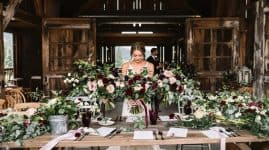
Burgundy vs. Navy vs. Plum: Which Dark Color Palette Costs Least for Florals?
Choosing the most cost-effective dark color palette for wedding florals? Go navy. Burgundy’s alluring, but often digs deeper into your pockets due to high-demand, seasonal blooms and dye jobs. Plum sits in the middle, juggling costs with availability issues. Navy skips unique flowers altogether, keeping your budget happier with neutral blooms like hydrangeas. Honestly, save the vibrant hues for textiles or candles. Stick around — there’s more practical advice ahead to nail your floral choices.
Quick verdict: navy often costs least for florals because it’s easier to achieve with neutral blooms + accents; burgundy and plum can require more specialty stems depending on season
If you’re looking to save some cash for your floral budget, going with a navy color palette might just be your ticket. Why? Navy’s cost advantage lies in its ability to utilize neutral blooms like white roses and hydrangeas, which are available year-round and cheaper. Burgundy wedding costs, conversely, can skyrocket due to the need for unique stems like ranunculus and dahlias. Navy’s simplicity means fewer moody color costs and more savings for you. Many flowers, including focal flowers like roses, are available all year round, allowing for consistent pricing and reduced seasonal constraints in navy palettes. Navy also minimizes hidden costs that often arise in DIY projects, making it a stress-free and budget-friendly option.
- Neutral Blooms: White hydrangeas at $5.00-$7.50 per bloom
- Consistent Pricing: Standard roses and carnations available year-round
- Fewer Unique Stems: Reduces complexity and costs
- Year-Round Availability: No seasonal constraints for navy palettes
Comparison table: burgundy vs navy vs plum (floral availability, stem costs, dye risk)
Let’s get real about your floral choices: burgundy, navy, and plum aren’t just about color—they’re about cold, hard cash. Want the priciest option? Burgundy wedding costs hit you with a $5,500 average. Navy eases that burden, shaving off 20%, landing around $4,400. Opting for plum palette pricing puts you in the middle at $4,800. But there’s more to reflect on than just dollars. Availability, stem costs, and dye risks vary, adding layers to your dark color cost comparison. Understanding the global supply chain complexities is crucial, as most flowers are imported, affecting availability and costs.
| Color | Floral Availability, Costs, Dye Risk |
|---|---|
| Burgundy | High cost, limited season, dye risk |
| Navy | More neutral, lower cost, less dye |
| Plum | Balanced cost, moderate availability |
Burgundy: common cost drivers and affordable substitutes
When you’re eyeing burgundy florals for your big day, brace yourself for a financial rollercoaster. Burgundy wedding costs can soar due to those dreamy ranunculus and dahlias. But don’t fret, there are affordable substitutes to keep your budget in check. Burgundy flowers symbolize love, passion, and desire, offering a rich emotional depth to your wedding arrangements.
Burgundy blooms for weddings can break the bank, but savvy alternatives exist to save your budget.
- Carnations and Mini Carnations: These Tier 1 blooms are your wallet’s best friend. They’re cheap, hardy, and add texture.
- Ranunculus Alternative: Opt for burgundy wine ranunculus for a mid-range priced option that adds elegance.
- DIY and Bulk Buying: Skip the florist markup by buying from bulk suppliers. It’s like a cheat code for your budget.
- Silk Hybrid Strategy: Go silk for a permanent, cost-effective solution that looks just as good. Remember, the supply chain issues and inflation may affect floral pricing, so planning ahead is key.
Navy: how to achieve it without navy flowers (linens, stationery, attire, candles)
While navy flowers might be as rare as a unicorn at a petting zoo, achieving that deep blue vibe for your event is far from impossible. You can sidestep the elusive blooms and still embrace the dark color cost comparison by using creative alternatives. Focus on deep palette pricing’s less floral-heavy options, which cost 20% less than the burgundy wedding costs. Transparent pricing for navy-themed weddings can help avoid hidden fees and surprises during the planning process.
- Linens & Textiles: Opt for navy blue tablecloths available in bulk rolls to cover large event spaces economically.
- Candles & Lighting: Use navy taper candles in bulk for a dramatic yet budget-friendly glow.
- Tableware & Disposables: Coordinate navy plastic dinnerware sets to unify your tablescape without breaking the bank.
- Décor & Accessories: Incorporate navy voile sheer fabric for draping at a discounted price.
Mix these elements, and voilà—navy elegance without the floral fuss!
When considering floral arrangements, you can use blue thistle or delphinium as alternatives, which are known for their unique silhouettes and color contrast, to add subtle hints of blue to your event.
Plum: what makes it expensive (seasonality, specialty blooms) and alternatives
Plum florals might seem sophisticated, but let’s face it—they’ve got rather of a diva complex. This sultry hue in wedding florals demands a premium due to its seasonal and unique nature. Unlike burgundy wedding costs, plum’s price tag hinges on its peak season limited availability.
- Season Peaks: Peonies from March-July, dahlias May-October. Outside these months? Expect imported, high-cost substitutes.
- Import Dependency: Tariffs hit hard—flower prices could soar 10-25% for elaborate arrangements. Considering that up to 80% of cut flowers sold in the U.S. are imported, tariffs could significantly impact the cost of plum florals.
- Luxury Blooms: Peonies, orchids, and imported stems sit at the luxury end of the scale.
- Alternatives: Consider year-round blooms like roses and lisianthus to keep costs down in your burgundy vs navy vs plum wedding cost comparison. With DIY floral options, you could save 50-60% on costs compared to hiring a professional florist, making it a viable choice for budget-conscious planners.
Plum’s allure is undeniable, but be prepared for sticker shock.
Design strategy: keep florals neutral and put color in textiles for cost control
So, you love the allure of plum florals but don’t want to blow your budget? Here’s a trick: keep the florals neutral and splash color through textiles instead. Neutral florals save you from the hefty premiums of plum blooms. Utilize textiles like tablecloths and napkins to bring rich hues to your event without the sky-high floral bill. While white linens are generally less expensive than colored options, incorporating affordable polyester tablecloths ranging from $5 to $15 each can help maintain a stylish and budget-friendly setup. Consider using in-season blooms to avoid extra costs, as they can save you 15-30% compared to out-of-season options.
- Polyester Tablecloths: Affordable and durable, ranging from $5 to $15 each.
- Satin Elegance: Adds sophistication, costing $15 to $30 for mid-range options.
- Napkins: From $1 to $5 each, they’re a simple way to introduce color.
- Seasonal Savvy: Book off-peak to negotiate better rates and dodge holiday price spikes.
With smart textile choices, your event will be breathtaking and budget-friendly.
FAQ: does dyeing flowers save money or add risk?
Ever thought about dyeing flowers to cut costs? Sure, it sounds like a creative shortcut, but it’s not always the magic wand you’d hope for. Dyeing fresh flowers can introduce new expenses and risks that might outweigh any savings. You could end up with a floral nightmare if not done right. Here’s what you should consider:
- Labor and Material Costs: Dyeing requires time and additional materials, which can add up.
- Technical Feasibility: Not all flowers take well to dye, risking poor results.
- Risk Factors: Dye can damage stems, affect water absorption, or lead to unstable colors.
- Vendor Pricing: Pre-dyed flowers might cost more than their natural counterparts.
With over 50% of consumers willing to pay 10% or more for sustainable products, focusing on sustainable practices could be a more effective cost-saving strategy than dyeing flowers. For example, choosing florists like Passalongs Farm who use local, sustainable flowers can prevent financial surprises while supporting environmentally conscious practices.
Important notes (confirm your local vendors, venue rules, and contracts)
When planning a dark floral palette, confirming details with local vendors and understanding venue rules isn’t just paperwork—it’s essential for avoiding wedding day chaos. Prices and availability of flowers can swing wildly by market and season, so insist on itemized quotes in writing to prevent any unpleasant surprises. Plus, weather and safety planning aren’t optional; you need a solid backup plan with buffers to keep your florals looking magnificent, no matter what Mother Nature decides to throw at you. Since establishing a general budget for wedding flowers is crucial, consider allocating about 10% of your total wedding budget for florals to ensure you have a realistic financial framework. Delicate flowers like peonies and ranunculus require careful handling, which can add to the labor costs and, subsequently, the overall budget for your floral arrangements.
- Itemized Quotes: Demand detailed quotes listing flower types, quantities, and prices.
- Backup Plan: Create a contingency plan for outdoor floral arrangements in case of bad weather.
- Vendor Verification: Check vendor credibility through reviews, testimonials, and industry recognition.
- Venue Rules: Confirm venue-specific rules regarding floral setup and teardown times.
Prices and availability vary by market and season—get itemized quotes in writing
Let’s cut through the noise: floral prices are no joke, and they can swing wildly depending on where you are and what time of year you’re planning your event. Burgundy, navy, or plum—choosing your color palette isn’t just about style; it’s about dollars and cents. Flowers like ranunculus and dahlias spike a burgundy budget, while navy can save you a cool 20% with simpler blooms. Plum sits in the middle, balancing cost and elegance. The average U.S. floral budget for weddings ranges from $1,757 to $2,200, with total floral costs varying from $1,000 to $5,000 and averages around $3,200 to $4,500. But here’s the kicker: regional and seasonal variations can flip the script completely. So, don’t just guess—get itemized quotes from local florists. Insist on writing! Your wallet will thank you. Remember, a pretty bouquet isn’t worth blowing your entire budget.
Weather and safety planning matter—build a real backup plan and buffers
After maneuvering through the maze of floral budgets, it’s time to face another unpredictable beast: the weather. Let’s be honest—ignoring weather planning is like gambling with your event’s success. You don’t want your guests freezing at 50°F or melting at 80°F. Keep blankets, heaters, and hydration stations ready. Confirm backup venues with your coordinator before signing anything. Tents with side walls provide flexibility for those borderline days. Got multiple plans? Use event planning software to streamline seating and vendor changes. And please, negotiate flexible cancellation policies. Don’t skip on insurance either; it’s your financial shield against the unexpected. Trust me, a solid backup plan and buffers aren’t just smart—they’re essential. Consider accessibility for all guests by assessing the venue for mobility issues and ensuring pathways accommodate everyone. Don’t leave it to chance.