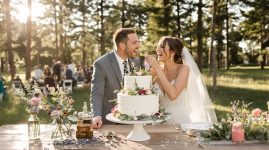
How to Have Your Dream Cake for Under $600 (Design Strategies That Save Money)
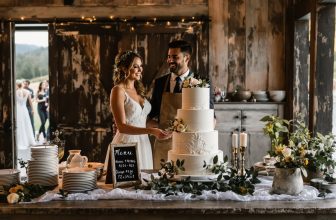
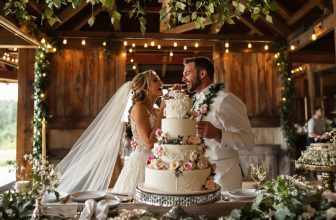
Creating your dream wedding cake under $600 isn’t about pinching pennies; it’s about strategizing. Lean into simplicity—go for trendy buttercream instead of fondant, which costs less and tastes better. Opt for fresh flowers and greenery—they’re cheaper than sugar blooms. Scale down with a two-tier cake or use faux tiers for visual impact without the hefty price. Want more tasty tips and specific planning insights that’ll keep both your guests and your wallet happy? Stick around.
Quick takeaway: a ‘dream cake under $600’ is usually a smart servings plan + simplified design—not a bargain hunt
Let’s be real: scoring a wedding cake for under $600 isn’t about snagging a last-minute bargain or compromising on your big day’s vision. It’s about a savvy wedding cake budget strategy and mastering the art of affordable cake arrangement. You can have your dream wedding cake under 600 with a few smart moves:
Achieving a stunning wedding cake under $600 is about smart budgeting and creative strategies, not compromise.
- Opt for a naked or semi-naked frosting style: It’s trendy and slashes costs.
- Choose buttercream over fondant: Less expensive, more delicious.
- Use fresh flowers instead of sugar blooms: Stylized simplicity at a fraction of the price.
- Select a single or two-tier layout: Less complexity, less cost.
- Consider a sheet cake for serving: Impress with a presentation cake, serve from the sheet.
Simplifying the design, such as opting for smaller-scale buttercream frosted cakes, can also help keep costs down while maintaining a stylish look. These strategies guarantee a remarkable cake without breaking the bank.
Budget math: what $600 buys in servings at common per-slice prices
Creating a wedding cake masterpiece under $600 isn’t about cutting corners—it’s about smart choices. With a solid wedding cake budget strategy, you can get a breathtaking cake under 600 bucks without skimping on style. Here’s the budget math:
| Scenario | Servings | Price/Serving | Total Cost |
|---|---|---|---|
| Buttercream, simple | 75 | $6 | $600 |
| Buttercream, standard | 60 | $8 | $600 |
| Fondant, minimal | 75 | $6.50 | $600 |
| 3-tier cake | 60–100 | $4.50–7 | $600 |
Your budget cake arrangement thrives by opting for buttercream over fondant and choosing simplicity over extravagance. Remember, it’s not about settling—it’s about sensibly allocating each dollar to maximize value. Correct pricing is essential for bakery profitability, with professional bakers using a proven formula to ensure all costs, including labor and overhead, are covered. So, let’s turn that cake dream into a reality without breaking the bank!
Step-by-step: get the dream look under $600
Let’s face it, no one wants to fork out a fortune for a cake that looks good but leaves your wallet empty. You can nail that dream cake under $600 with some smart moves and a touch of creativity. Start here:
- Decide your “display cake” servings versus “kitchen cake” servings.
- Simplify the exterior with smooth buttercream and minimal florals—ditch the heavy sugar work.
- Use faux tiers strategically for visual height without the edible cost.
- Choose a forgiving flavor/menu that’s faster to create. A 3 Tier Cake with sizes 6, 9, 12 inches can serve 100 guests and costs $500, leaving room in the budget for simple embellishments.
- Avoid add-on traps like stand rentals, rush fees, or extra drop-off stops. Remember that labor costs can comprise 35-50% of the cake price per serving, so opting for simpler designs can significantly reduce the overall cost.
Step 1: decide your ‘display cake’ servings vs ‘kitchen cake’ servings
When you’re dreaming of that perfect wedding cake but balking at the potential cost, the first step is deciding how to divide your servings between a ‘display cake’ and ‘kitchen cake’. This wedding cake budget strategy assists you save money without sacrificing style.
For cake cost optimization, consider these key points:
- Display tiers: A 12-inch round tier creates visual impact, serving 50-56 portions.
- Kitchen cakes: Opt for half sheet cakes; they yield 108 servings, unseen but effective.
- Shape matters: Square cakes serve more than rounds—maximize servings.
- Height counts: Taller tiers don’t increase servings; stick to 3-6 inches for consistency.
- Portion size: Serve wedding portions (1×2 inches) to boost capacity by 33%. Remember, a quarter sheet party cake feeds 24 people when cut into 2×2 pieces, making it a versatile choice for smaller gatherings.
Strategically combine these elements to have your dream cake and keep your budget intact.
Step 2: simplify the exterior (smooth buttercream, minimal florals, no heavy sugar work)
You’ve figured out how to divide your cake servings, but now it’s time to tackle the exterior. Want a dream wedding cake under 600 dollars? Simplifying the exterior is your winning wedding cake budget strategy. Let’s be real—fondant is overrated and pricey. Instead, embrace smooth buttercream. It’s versatile, giving you polished or rustic finishes without breaking the bank. Say goodbye to heavy sugar work and hello to fresh flowers, which are cheaper and just as breathtaking. Here’s how to ace your budget cake arrangement:
- Opt for smooth buttercream for a classic look.
- Use fresh flowers for a natural aesthetic.
- Choose naked or semi-naked styles to highlight premium ingredients. Using seasonal ingredients can enhance both flavor and cost-effectiveness, allowing you to enjoy a delicious cake that matches your budget.
- Incorporate simple greenery for effortless elegance.
- Add strategic decorative accents like gold leaf or edible lace.
Step 3: use faux tiers strategically (visual height without edible cost)
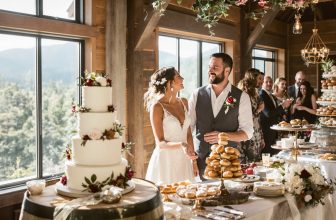
Dreaming of a wedding cake that towers with elegance but doesn’t empty your wallet? Embrace faux tiers. They provide visual splendor without the edible cost. Here’s the deal: dummy tiers don’t cut costs considerably, as decoration labor is the real expense. But, they’re perfect for:
- Taller cakes without extra servings: Use one dummy tier for a magnificent look at small weddings.
- Economical height: Dummy tiers cost 75-80% of real ones but save on baking.
- Arrangement flexibility: Achieve intricate designs without structural worries.
- Hybrid strategies: Combine real cutting tiers with dummy presentations.
- Stable, ambitious aesthetics: Go for bold designs without the risk of collapse.
Dummy tiers are solid cake-shaped forms that are often made from polystyrene, allowing them to be decorated to closely resemble real cake. It’s about maximizing impact while keeping the budget in check.
Step 4: choose a forgiving flavor/menu that’s faster to produce
Let’s face it, not all cake flavors are formulated equal when you’re trying to keep costs under control without sacrificing taste. The key is to choose flavors that bakeries can whip up efficiently, saving you time and money. Vanilla, chocolate, and lemon are your best bets, presenting:
- Affordability: These flavors cluster around $383–$392 per cake.
- Streamlined production: High demand means standardized recipes and quick ingredient sourcing.
- Buttercream compatibility: Pairs easily, cutting labor costs with no need for fancy fillings.
- Trendiness: Vanilla remains popular, despite market shifts.
- Production efficiency: Less drying time and specialized skills needed compared to fondant.
Increased demand for vegan, gluten-free, and keto-friendly options also means these traditional flavors are often adapted to meet modern dietary preferences, allowing you to cater to diverse guest needs without driving up costs.
Step 5: avoid add-on traps (stand rentals, rush fees, extra delivery stops)
When planning your dream wedding cake, don’t let hidden costs creep up and ruin your budget. Stand rentals, rush fees, and extra transport stops can sabotage your $600 cake goal. You can dodge these traps with a small strategy. Here’s how:
- Use bakery-included stands: Often complimentary, saving you $50-$100+ in rental fees.
- Buy a simple stand: Costs $30-$100, and you’ll use it for future events.
- Rent basic models: Event rental companies provide stands at $6.75-$18, way cheaper than premium stands. Cake stand rentals enhance event decor and are ideal for weddings, parties, and special occasions.
- Consolidate delivery/pickup: Coordinate everything in one trip to cut multiple fees.
- Negotiate fees: Ask for rush fee waivers or bundle discounts during initial quotes.
Keep these tips in mind, and you’ll avoid those sneaky add-ons!
Three example plans under $600 (small display cake + sheet cake variants)
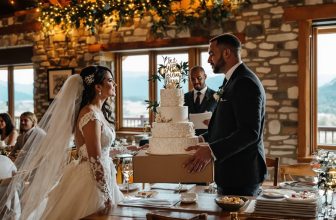
Planning a wedding? Your dream cake doesn’t need to drain your wallet. Smart choices let you have a breathtaking cake for under $600. Forget the towering multi-tier; embrace the small presentation and sheet cake combo. Understanding pricing factors like design and serving sizes is essential for sticking to your budget. Look for transparent pricing from bakers to avoid any surprise costs later on.
Here’s how:
| Plan | Presentation Cake | Sheet Cake | Total Cost |
|---|---|---|---|
| 1 | Two-tier, 6″ + 4″, fondant | Half sheet, basic buttercream | $395-$476 |
| 2 | 10″ round, custom buttercream | Full sheet, specialty frosting | $489.99-$577.99 |
| 3 | Two-tier, 8″ + 6″, simple buttercream | Half sheet, single-layer | $330-$355 |
These options save you cash while keeping that wow factor. For instance, the elegant two-tier plan can serve up to 100 guests without breaking the bank. Who knew being budget-savvy could look this good?
Email script: how to request a quote without triggering ‘custom pricing creep’
You’ve got the cake plan nailed down, but now comes the part where things can get tricky: requesting a quote without spiraling into the dreaded ‘custom pricing creep.’ You probably don’t want to end up with a quote that suddenly balloons into something you never imagined, right? Start by formulating a precise email that prevents surprises. Here’s how:
Request a cake quote smartly to avoid unexpected pricing surprises—plan your email details meticulously.
- State your budget upfront; it’s not a guessing game.
- Provide all event details—date, venue, guest count—right off the bat.
- List cake preferences—flavors, fillings, icing—to minimize back-and-forth.
- Attach styling references like images to avoid scope creep.
- Ask for existing package options before diving into custom quotes.
Using a tool like Docelf can help streamline the quoting process, ensuring it’s fast and hassle-free while also reflecting your brand identity through customizable templates. This way, you’re setting clear expectations and avoiding any unexpected budget busters.
FAQ: what to cut last (and what not to compromise on)
Ever wonder why some wedding cakes come with an impressive price tag? It’s often due to unnecessary frills that don’t add significant value. If you’re looking to trim costs, focus on what’s truly essential. Here’s what to cut last, and what not to compromise on:
- Professional Baker Standards: Their time guarantees your cake won’t collapse mid-ceremony.
- Guest Coverage: Keep everyone happy with enough cake to go around, even with sheet cake supplements.
- Basic Finishes: Buttercream is both affordable and delicious—ditch the fondant.
- Flavor Quality: Stick to classic flavors for bulk savings without sacrificing taste.
- Structural Integrity: A two-tier cake might suffice, but don’t skimp on stability for aesthetics.
- Venue Negotiations: Discussing service fees with your caterer can help manage your overall wedding budget.
These priorities guarantee a remarkable cake without breaking the bank. If you’re experiencing traffic issues with your event website, consider implementing load management strategies to ensure seamless guest access.
Educational only: laws, fees, and policies vary—confirm local rules and your contracts before acting
When it comes to wedding cakes, saving a few bucks shouldn’t mean ignoring the fine print. Ignoring local laws and contract details can turn your dream cake into a nightmare. Here’s what to check:
- Anti-Discrimination Laws: Ensure your bakery complies with state laws like those in Colorado and California protecting against discrimination. Colorado’s anti-discrimination law prohibits businesses from refusing service based on sexual orientation, as highlighted by the Masterpiece Cakeshop case.
- Contract Essentials: Both parties’ contact info, event details, and cake specs must be in writing.
- Liability Clauses: Know who’s responsible for mishaps. Consider force majeure and allergen handling. Venues may also impose insurance requirements to cover liability for any incidents related to food service.
- Payment Terms: Understand deposits, final payments, and refund policies.
- Insurance Details: Verify coverage for transport and setup safety issues.
Don’t skip the legal legwork. It’s not worth the risk.