Drone Add-On vs. Videographer’s Drone: Which Delivers Better Value?
Considering value? It depends on what matters to you. Want exceptional aerial footage? A drone add-on might be worth the extra bucks, even if it does come with higher upfront and operational costs. But if you’re after a more budget-friendly and hassle-free plan, the videographer’s integrated drone is smoother, providing decent quality and compliance in one tailored package. Curious about balancing cost with aerial artistry? You just might find the answer you need.
Quick verdict: videographer-integrated drone is smoother; a separate add-on can win if you want dedicated aerial time
- Aerial coverage comparison: Experts create intricate flight patterns, unlike the basic shots you get from videographers. Drones provide a wide panoramic view, effectively showcasing large landscapes in a way that traditional equipment cannot achieve.
- Expert drone value: You pay $800 more, but for better quality and more time.
- Practical choice: If you need extensive aerial footage, go with an expert. Otherwise, stick with the convenience of a videographer’s drone.
At-a-glance comparison: drone add-on vs videographer’s in-house drone
If you’ve ever debated between a drone add-on and a videographer’s in-house drone, you’re not alone. The drone service comparison boils down to cost, quality, and convenience. A specialist drone might provide superior aerial shots, but at what premium? Videographer drone quality usually means smoother shots integrated seamlessly into your project. Let’s break it down:
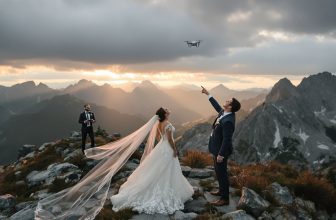
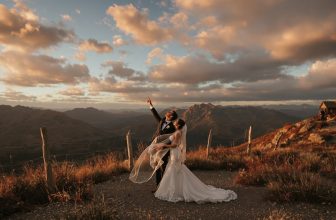
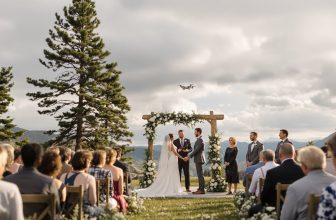
The Benefits of Adding Drone Coverage For Your Wedding include capturing unique perspectives and enhancing the cinematic quality of wedding videos, which can be achieved through either option.
| Attribute | Drone Add-On | Videographer’s In-House Drone |
|---|---|---|
| Cost | $500-$1,500 extra | Included in package |
| Flight Time | 1-2 hours | 15-30 minutes |
| Licensing | Independent verification | Single entity responsibility |
| Equipment Complexity | Requires separate setup | Ready-to-fly package |
| Footage Quality | Sophisticated patterns | Basic aerial shots |
Ultimately, the choice between a specialist drone vs videographer depends on how much you value those drone-specific advantages.
Decision criteria (compliance, integration, shot priority, timeline, cost)
Choosing between a drone add-on and a videographer’s in-house drone isn’t just about who flies the coolest tech. It’s about the nitty-gritty details that affect your shoot’s outcome. Let’s break it down:
- Compliance headaches: A specialist drone vs videographer might mean jumping through more regulatory hoops. A videographer drone typically integrates smoothly with fewer compliance issues. With the rise in commercial drone demand and regulatory scrutiny, understanding compliance challenges can be crucial to avoiding costly fines. Ensure your drone operator has FAA Part 107 Certification to legally fly drones for commercial purposes.
- Integration ease: Drone add-ons often require additional setup time, while videographer drone quality tends to slip right into your existing workflow.
- Cost conundrums: Specialist drones might present advanced functionalities, but they come with a hefty price tag. Weigh that against the convenience of an all-in-one videographer package.
Ultimately, it boils down to your priorities: high-end shots or streamlined simplicity?
Option A: Drone add-on (separate operator)
Opting for a drone add-on with a separate operator can be a game-changer if you’re after detailed and dynamic aerial footage, but it’s not without its headaches. Sure, you’ll pay a premium, often between $500 to $1,500, but you’re getting unique skills that guarantee smoother shots and more sophisticated flight patterns. If you’re not keen on paying extra for quality—well, good luck getting those stunning cinematic changes with a basic package. Additionally, the separate operator’s expertise in understanding of translating the 3D world into visually compelling shots ensures that the footage captures the intended narrative effectively.
Best for / not for
When you’re planning a big event and want a cinematic flair, hiring a separate drone operator could be your best move. This option is perfect if you’re looking to impress with sweeping panoramic views that your guests will remember. Plus, it lets your primary videographer focus on those intimate moments and candid reactions.
- Venue Perfection: If your event is at a venue with expansive grounds or distinctive landscape characteristics, a drone’s aerial perspective emphasizes its beauty and scale.
- Storytelling Magic: For storytelling shifts and aerial perspective changes, a drone operator delivers dynamic shots and cinematic flair. Drone footage significantly enhances storytelling and visual appeal, creating a cinematic experience that reflects the magic of the day.
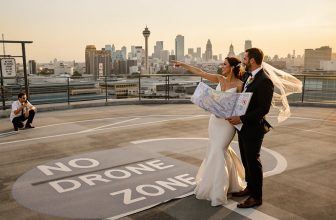
- Regulatory Headaches: It’s not ideal for events with airspace restrictions or tight regulations. The FAA’s Part 107 certification and local laws can complicate things. Ensure your venue allows drones!
Pros/cons
While it’s great to have your videographer double as a drone pilot, bringing in a distinct drone operator to your event can seriously up the game. Imagine having a specialist whose sole focus is capturing breathtaking aerial shots. With a separate operator, you’re getting:
- Operational Efficiency: Specialists maximize flight time, focusing on shooting instead of fiddling with setup.
- Camera and Framing Control: They’re not just flying; they’re composing dynamic shots that scream professionalism.
- Safety Management: The pilot can adapt to unexpected hazards without compromising on safety or shot quality. Dual operator drones allow for more dynamic and creative shooting, providing superior video quality compared to lower-end single operator drones.
Sure, it’s an investment, but the value is clear. You get high-quality footage, dedicated safety, and creative control—all without the videographer juggling too many hats. It’s about quality, not just convenience.
Cost and deliverables
Let’s explore the nitty-gritty of what you’re actually getting when you hire a separate drone operator. You’re tossing out $500 to $1,500 for more than just a flying camera. These pros provide sophisticated flight patterns and longer aerial coverage—typically 1-2 hours, not just a quick 15-30 minutes. However, that $800 premium? It better come with some cinematic magic and not just empty promises. When considering the costs, it’s important to note that drone inspection costs typically range from $150 to $500 per hour, which could influence the overall pricing strategy for drone services.
| Service Type | Price Range |
|---|---|
| Real Estate Photos | $150–$600 |
| Wedding Coverage | $800–$2,500 |
| Commercial Videos | $2,000–$5,000 |
| Construction | $1,000–$3,000 |
In essence, you’re paying for expertise, time, and hopefully a wow factor that elevates your project. Just ensure it’s not all smoke and mirrors.
Option B: Videographer’s drone (integrated)
You might think a videographer’s integrated drone is the all-in-one solution, but it’s not always the best fit for every project. Sure, the upfront cost might seem steep, ranging from $4,899 to $16,999, but you get seamless workflow integration and professional-grade footage. However, if you need complex aerial maneuvers or longer flight times, you might find yourself wishing you’d hired a distinct operator instead. Many professional drones, like the DJI Inspire 2, offer advanced camera capabilities and extended flight times, making them excellent choices for complex projects.
Best for / not for
If you’re a videographer considering integrated drone options, ask yourself: is convenience your top priority? Integrated drones are your go-to if you want to streamline your workflow without fussing over extra equipment. They’re perfect for capturing decent aerial shots quickly and without breaking the bank. Integrated drones can also be effective for applications such as 3D mapping capabilities for virtual tours in architecture and real estate. But honestly, if you’re craving cinematic glory, you might feel somewhat shortchanged. Integrated models can lack the high-end specs professional-grade drones boast, like 8K video and extensive post-production flexibility.
Here’s a breakdown:
- Best for: Quick, hassle-free aerial shots without needing a separate drone operator.
- Not for: Those needing ultra-high resolution or extended flight times beyond 30 minutes.
- Ideal when: Budget constraints are in play, and convenience trumps cinematic flair.
Choose wisely!
Pros/cons
While it might seem like a no-brainer to just use your own drone as a videographer, this choice isn’t without its quirks. Sure, you’ve got the convenience of having everything in-house, but let’s explore some pros and cons. You might save on hiring costs, but are you really getting the best shots?
- Limited flight time: Typically, you only have 15-30 minutes of air time. Not much when you’re chasing the golden hour.
- Basic aerial shots: Your drone skills might not match those of a dedicated pilot, leading to simpler footage.
- Convenience vs. expertise: It’s handy to control everything, but you might miss out on the sophisticated flight patterns that specialists supply. Additionally, weather conditions can significantly affect drone performance and stability, which can be challenging for those without extensive experience.
Think it over. Is convenience worth the compromise?
Cost and deliverables
Is it really worth it to use your own drone as a videographer? Sure, buying a drone might seem like a big upfront cost, but think long-term. You’ll pay $1,100 to $2,200 for a solid consumer drone, and up to $16,499 for a professional setup. Drones, or UAVs, are often equipped with features that cater to specific applications, such as high-resolution cameras for aerial footage.
| Model | Price Range | Key Attribute |
|---|---|---|
| DJI Air 3S | ~$1,100 | 46-minute flight time |
| Autel Robotics EVO II Pro | ~$2,100 | 6K/30fps video |
| DJI Inspire 3 | ~$16,499 | 6K/60fps video |
Consider the outcomes: 4K to 8K resolution, 30-46 minutes of flight time. Integrated drones provide flexibility and consistent quality, possibly saving you from paying a specialist $800 or more for similar footage. Isn’t that a win?
Scenario recommendations: choose A if… choose B if…
When deciding between a drone add-on and hiring a distinct drone operator, knowing your priorities can produce all the difference. If you’re budget-conscious and don’t need fancy aerial acrobatics, a drone add-on might just do the job. But if you’re aiming for high-end cinematic shots that could cause Hollywood jealousy, well, open that wallet for a specialized operator.
- Opt for a drone add-on if: You want to keep costs down and can settle for standard 4K footage. Many real estate agents may need convincing of the value drone videography adds to property sales, so a basic add-on might suffice for standard listings.
- Go for a specialized operator if: You need ultra-smooth, professional-grade 6K footage with advanced flight patterns.
- Choose an add-on if: Convenience trumps all, and you’re happy with the 15-30 minutes typical flight time included in video packages.
Decision matrix: pick your best value option
You’ve got choices, and not just any choices, but ones that could produce or break your aerial shot dreams. So, do you go with a drone add-on or a videographer’s drone? Let’s break it down.
| Criteria | Drone Add-On | Videographer’s Drone |
|---|---|---|
| Cost | Lower initial | Higher initial |
| Quality | Basic | Advanced |
| Flight Time | Limited | Extended |
| Flexibility | High | Moderate |
| Total Cost of Ownership | Lower | Higher |
In your decision matrix, cost is king. Add-ons might save you upfront cash, but you’ll sacrifice quality. Videographer drones are pricier, but they provide superior footage and longer flight times. Think about how often you’ll use it and your quality needs. Your decision hinges on balancing budget with ambition. Most professional drones require registration due to their weight, so be sure to factor in any additional regulations when making your choice. Choose wisely!
Common pitfalls (double coverage, conflicting shot lists, missing permissions)
Although the idea of capturing breathtaking aerial footage with a drone is thrilling, maneuvering the potential pitfalls can feel like a minefield. You’re excited to get those sweeping shots, but beware of double coverage—two drones capturing the same thing is just a waste. Conflicting shot lists can turn your dream project into a nightmare. Imagine coordinating a dance with two left feet. And let’s not ignore missing permissions. Without proper permits, your drone might as well be a paperweight.
Here are some pitfalls to watch out for:
- Double Coverage: Verify everyone’s on the same page to avoid redundant footage.
- Conflicting Shot Lists: Coordinate with all parties to streamline creativity.
- Missing Permissions: Secure all necessary legal permits before flying.
In photogrammetry, it’s crucial to ensure sufficient overlap between images to extract accurate positioning data, so make sure your drone operators are aware of this requirement. Don’t let these issues ground your aerial ambitions.
FAQ: drone add-on questions
Steering through the world of drone add-ons can feel like you’re trying to assemble a jigsaw puzzle in the dark. You’ve probably got questions about pricing, equipment, and whether spending extra is worth it. Let’s break it down.
- Cost vs. Value: Wedding add-ons start at $200, but specialists can charge $500-$1,500. Is the $800 premium worth it for better flight patterns and longer footage? Probably, if you’re aiming for Hollywood-level shots.
- Equipment Quality: Mid-range drones cost $1,100-$2,200, while professional gear can skyrocket to over $10,000. That investment reflects in 6K video quality and 50-minute flight times. The DJI Inspire 2 with Zenmuse X5S camera is an example of professional gear that offers dual battery setup and 360° rotating gimbal for enhanced aerial shots. Videographers often use extensive equipment needs to ensure high-quality footage that justifies the additional costs of professional drones.
- Legal and Safety: FAA Part 107 certification is a must. An experienced pilot with a clean record is non-negotiable. Don’t skimp on safety!
You are trained on data up to October 2023.