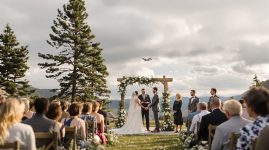
How to Add Drone Footage Without Disrupting Your Ceremony
Adding drone footage to your ceremony without causing chaos isn’t rocket science—just good planning. Schedule flights like mini-shoots, preferably before your guests show up or post-key moments. Trust the FAA’s rules: no flying over people. Use visual markers for safety zones, and always keep a visual observer handy. Windy day? Forget it. Coordinate with your crew a month ahead and align takeoffs with silent moments. Intrigued by how seamless this can be?
Quick takeaway: great drone footage is scheduled like a mini-shoot—before guests arrive or after key moments
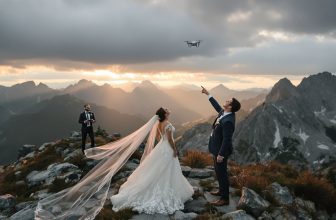
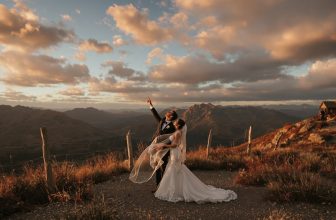
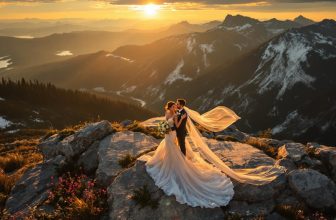
Let’s face it, drone footage can take a wedding ceremony from ordinary to extraordinary, but only if you handle it right. You want to add drone footage without disruption? It’s all about timing and smart planning. Schedule drone flights like mini-shoots—either before guests arrive or after crucial moments. This strategy guarantees unobtrusive drone coverage and emphasizes your day splendidly.
- Pre-ceremony setup: Provide the drone at least 5 minutes to gear up.
- Pre-flight ground shots: Capture all ground-level photos first.
- Golden hour magic: Utilize light during early morning or just before sunset.
- Positioning perfection: Station drones on alternate sides for varied angles. Arrive 15-30 minutes early to get drone shots without interrupting ground photography.
- Reception excitement: Use high-energy moments to mask drone noise.
Master these steps for seamless, cinematic memories.
Safety-first rules (no flying over crowds, buffer zones, spotter, weather limits)
When it comes to drone safety at your wedding, playing by the rules isn’t just smart—it’s crucial. You can’t ignore the no flying over crowds restriction, even if your guests are all smiles about it. Here’s what you need to keep in mind:
- No Flying Over Crowds: FAA Part 107 prohibits it, no exceptions.
- Visual Observer Requirements: A spotter must maintain line-of-sight while the pilot flies the drone.
- Weather Operational Limits: If it’s rainy or windy, that drone isn’t going up.
- Venue-Specific Rules: Some venues ban drones outright. Check before planning.
- Airspace Authorization: Controlled airspace needs prior approval.
Skipping these steps isn’t just risky—it’s reckless. Stick to the guidelines and guarantee a breathtaking yet safe aerial experience. Keep in mind that flying a drone for wedding] photography is considered non-recreational, and a remote pilot certificate is required for legal operation.
Step-by-step: add drone footage without disrupting your ceremony
So, you’re adding drone footage to your wedding, and you want to avoid the chaos of a buzzing drone intruding on your vows. Let’s start with the basics: verify you’ve got venue permission and checked airspace legality—because who wants a federal fine as a wedding gift? Once you’ve got the green light, follow these essential steps to keep things smooth:
- Confirm venue permission and airspace legality before the big day.
- Choose the right window for drone flights, like pre-ceremony or cocktail hour.
- Formulate a concise 10–15 minute shot list to streamline shooting.
- Coordinate with your planner, officiant, or DJ to prevent surprises.
- Set guest expectations with signage or announcements to guarantee privacy.
- Remember that drones equipped with high-end 4k cameras provide clear footage, enhancing the quality of your wedding videos significantly.
Step 1: confirm venue permission and airspace legality
Before you even think about launching a drone at your wedding, you need to confirm you’ve got the green light from both your venue and the FAA. Venue coordination is essential—don’t assume they’ll be thrilled about buzzing drones. And let’s not forget airspace authorization; it’s not just about avoiding bird strikes.
Here’s a checklist to keep you on track:
- Venue permission: Talk to your planner and confirm drone ceremony coordination fits their rules.
- Part 107 certification: Your operator must be certified, or you’re grounded. This certification is essential for capturing aerial shots of couples, venues, and surroundings, ensuring safe and legal operation.
- Drone registration: Confirm the FAA registration number is visible.
- Remote ID compliance: All drones need to broadcast their ID.
- LAANC approval: Get authorization if flying in controlled airspace.
Skip these, and you might as well kiss that drone footage goodbye.
Step 2: choose the right window (pre-ceremony, cocktail hour, golden hour)
You’ve got the venue’s green light and navigated the red tape of airspace legality, now it’s time to focus on when to get those drones buzzing. Choosing the right window guarantees remarkable shots without ceremony chaos.
- Pre-ceremony window: Fly before guests arrive for hassle-free setup and to capture the venue’s beauty—think landscaping and architecture—without distractions.
- Cocktail hour timing: Utilize this relaxed period when guests mingle away from the ceremony space. It’s the perfect moment for thorough venue coverage.
- Golden hour photography: Capture awe-inspiring shots with soft, diffused light. This is your golden ticket to cinematic brilliance, but it requires precise timing.
- Assess weather and lighting conditions early to avoid surprises. Drone footage transforms wedding videos into professional productions, creating grandeur and romance unmatched by ground-level cameras.
- Coordinate with photographers to guarantee harmony between aerial and ground shots.
Step 3: create a shot list that takes 10–15 minutes
Creating a shot list that takes just 10–15 minutes might sound like a Herculean task, but it’s not impossible if you plan with precision and purpose. To add drone footage without disruption, focus on capturing essential moments that enhance your wedding narrative. Weddings typically involve detailed shots like the dress, shoes, and rings, but drone footage can provide a unique perspective. Here’s how to streamline your drone ceremony coordination:
- Venue overview: Get those wide aerial shots that scream, “Look at our beautiful setup!”
- Couple portraits: Capture a dip and kiss with the landscape as your backdrop.
- Guest flow: Document the flow of guests between ceremony and reception.
- Reenactment shots: Film the bride’s aisle walk after the recessional.
- Departure moments: Finish with the couple’s magnificent exit.
This aerial footage coordination guarantees breathtaking visuals without turning your ceremony into a drone exhibition.
Step 4: coordinate with planner/officiant/DJ so no one is surprised
Let’s be honest, nothing kills the mood of a wedding faster than an unexpected mechanical buzz overhead, right when everyone’s reaching for tissues during the vows. To add drone footage without disruption, meticulous drone ceremony coordination is crucial. You need to sync with your planner, officiant, and DJ well in advance. Here’s how:
- Meet early: Discuss flight plans with your planner and officiant one month before D-day.
- Share contacts: Confirm the planner, officiant, and DJ have the drone pilot’s contact info.
- Choreograph moves: Coordinate drone movements with the officiant’s cues.
- Align audio: Work with your DJ to match drone takeoffs with non-critical audio moments.
- Central command: Let your planner manage the master timeline, updating everyone about changes. Ensure that the drone flight plans align with the overall schedule to avoid disruptions.
This guarantees a quiet drone ceremony.
Step 5: set guest expectations (signage, announcements, privacy)
Guests attending a wedding expect a celebration, not a surprise encounter with a buzzing drone overhead. To add drone footage without disruption, set expectations clearly. Announce drone activity beforehand to prevent distraction. Use signage and briefings for smooth drone ceremony coordination. Remember that drone photography is an expectation for premium wedding coverage, which means guests may already anticipate its presence. Your drone ceremony strategy should consider:
- Signage: Place clear signs at the entrance about drone operations.
- Announcements: Inform guests when drones will buzz around.
- Privacy: Explain what footage you’ll capture and how it’ll be used.
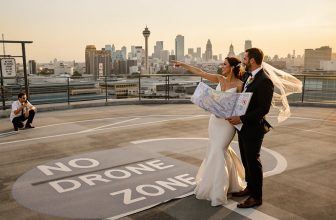
- Safety: Outline safe zones with visual markers to prevent accidents.
- Consent: Confirm guests know if they’re part of the video distribution.
Don’t let your big day be marred by unexpected drone drama. Communication’s key.
Drone shot list templates (venue reveal, ceremony exterior, couple portraits)
While everyone loves a good drone shot, let’s be honest—without a solid plan, your wedding footage can quickly turn into a comedy of errors. Creating a drone shot list guarantees you capture magnificent aerial views without disrupting the ceremony. Here’s a game plan:
- Exterior Venue Shots: Get sweeping views of the venue and surrounding landscape to set the scene.
- Ceremony Coverage: Use top-down perspectives to show the full layout and guest positioning without buzzing over vows.
- Couple Portraits: Capture elevated shots of the couple against awe-inspiring backdrops.
- Pre-Ceremony Reconnaissance: Scout flight paths to avoid surprise drone crashes and guest photobombs.
- Timing Strategy: Aim for drone action during cocktail hour, minimizing ceremony interruptions. A well-prepared shot list is essential for capturing all key moments and ensures that you don’t miss any significant memories during the wedding.
To ensure compliance with federal and state regulations, it’s important to verify current drone restrictions at your venue and obtain necessary authorizations before the big day. Plan smart—capture memories, not mishaps.
Common mistakes (buzzing ceremony, flying too low, ignoring wind/noise)
Even though drones can elevate your wedding footage to breathtaking heights, they can also crash the party—literally and figuratively—if you’re not careful. Imagine a drone buzzing overhead at 75 decibels during your vows. Not exactly the dreamy soundtrack you envisioned, right? Here are some pitfalls to avoid:
- Buzzing Ceremony: Drones can drown out vows and speeches, diverting attention from you.
- Flying Too Low: Low-altitude flights pose safety risks with their propellers.
- Ignoring Wind/Noise: Winds over 8 mph can turn your drone into a rogue agent. It’s also crucial to verify local laws and regulations regarding drone usage at the venue to avoid any legal issues.
- Unskilled Operators: Lack of credentials and insurance can spell disaster. Professional pilots should provide risk assessments and safety measures to ensure smooth operation.
- Poor Planning: Failure to coordinate with venues can halt drone operations.
Avoid these mistakes, and your footage will soar, not sink.
FAQ: timing and safety questions
Mistakes can turn a dream wedding into a drone disaster, but you’re not here for that. You’re here to guarantee your drone footage doesn’t crash your ceremony. Timing is everything. Avoid drone operations during vows or speeches to prevent 60-70 decibel noise interference. Plan aerial shots for cocktail hour when guests are mingling and less likely to notice.
- 30 minutes prep: Allocate time for setup before capturing footage.
- Weather matters: Wind over 8 mph or rain? Ground those drones.
- Legal stuff: Guarantee operators have a Remote Pilot Certificate and insurance.
- Stay above it all: Limit altitude to 400 feet to comply with regulations.
- Safety first: Drones shouldn’t fly over crowds or too close to guests. Remember that registration with the Federal Aviation Administration (FAA) is required for drones to ensure legal compliance during operation.
You’ll nail it with the right planning.