9 Fall Wedding Ideas With Transparent Vendor Costs and Peak Season Premiums
Fall weddings? Charming, but watch out for those sneaky peak-season premiums. October’s a popular month, increasing costs by 25-35%. Opt for early November to save some money, avoiding limited Saturdays. Color themes can hit the wallet; expect to spend up to $300 on florals per centerpiece. Renting farm tables? That’s another $75-$150 each. Want to dodge unexpected fees? Confirm those vendor quotes in writing. If you’re curious about clever budgeting tricks, there’s more to uncover.
Who this fall wedding idea list is for (realistic vendor costs + peak-season premiums)
Planning a fall wedding? It’s stunning but can be pricey. Fall wedding pricing is no joke, with autumn wedding costs skyrocketing due to peak season premiums. October weddings can cost 30% more than those in November. It’s vital to plan wisely. Here’s a quick breakdown of what you might face:
- Venue Costs: Prime locations charge more during fall. Expect a 25-35% increase. Barn weddings are particularly popular, with base venue costs ranging from $5,989 to $12,341, but additional expenses can quickly add up.
- Catering: Seasonal menus sound great, but they come with a higher bill.
- Decorations: Fall themes are trendy, driving up costs for those lovely autumnal hues.
- Photography: Everyone wants those golden hour shots, so photographers might charge a premium.
Regional pricing adjustments can significantly affect overall wedding costs, with variations of 40-60% between states. Be prepared and budget-conscious. Don’t let unexpected costs catch you off guard.
How fall pricing works (demand premiums, limited Saturdays, vendor minimums)
While traversing the labyrinth of fall wedding costs, understanding how fall pricing works can save you a significant chunk of change—or at least help you brace for the hit. Fall wedding pricing often includes demand premiums due to vendors’ higher operational costs. Here’s the scoop:
- Demand Premiums: October sees a 25-35% increase, while early November’s only 10-15%—a tip for your autumn wedding budget.
- Limited Saturdays: Prime Saturdays are scarce, pushing prices up. Opt for Thursdays to save 5.7% on average. Some venues may also impose mandatory day-of coordinators to manage the specific challenges associated with fall weddings.
- Vendor Minimums: Vendors stick to minimum rates, but fall’s lower demand means you’ve got room to negotiate. Location significantly affects overall wedding expenses, with some regions being more cost-effective than others.
- Regional Variations: Venue costs vary wildly—from $7,500 in the South to $30,000 in the Northeast.
Navigating these can streamline your fall vendor pricing.
The full list (9 fall wedding ideas with transparent vendor costs and peak season premiums)
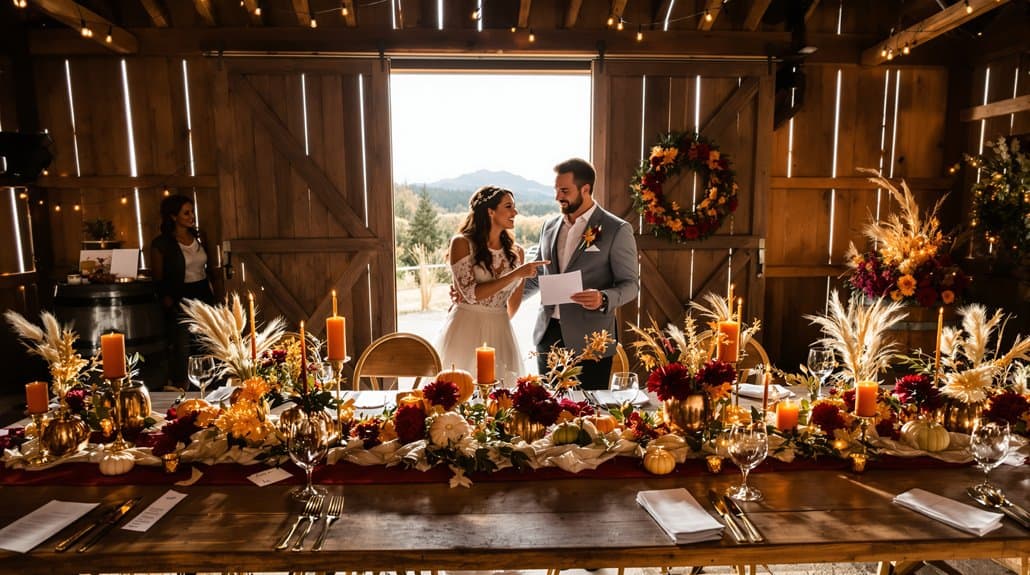
You’re planning a fall wedding, but those Pinterest boards won’t warn you about the budget hurdles you’ll face. Here’s a reality check: fall premiums are real, and you should know where they emerge. Let’s break it down with some solid numbers:
- Burgundy and burnt orange color palette: Florals range from $150-$300 per centerpiece; linens cost $15-$35 per table rental. Transparent pricing from florists helps manage these costs effectively.
- Pumpkin and gourd tablescapes: Mini pumpkins are $2-$5 each, but buying wholesale can cut that to $1-$2.
- Apple cider bar station: Setup costs $300-$600, and don’t forget the donut arrangement at $3-$5 per dozen.
- Outdoor ceremony with fall foliage backdrop: Expect a 10-20% venue premium during peak weekends. Venue and catering account for over half of the total wedding budget, making these premiums a significant consideration when planning.
Burgundy and burnt orange color palette – Florals $150-$300/centerpiece featuring dahlias, ranunculus, and autumn foliage; linens $15-$35/table rental; bridesmaid dresses in these tones widely available $100-$200: includes typical vendor cost ranges + where fall premiums show up (venue/florals/photo)
In the world of fall weddings, nothing screams elegance fairly like a burgundy and burnt orange color palette. You’ll find that fall wedding ideas with transparent costs are essential, especially with floral arrangements priced between $150-$300 per centerpiece. Featuring dahlias, ranunculus, and autumn foliage, these centerpieces attractively align with the season. Remember, fall wedding pricing can spike, particularly in October when costs soar by 25-35%. The right color palette sets the mood and atmosphere, making it a key factor in wedding planning success. Linens, renting for $15-$35 per table, add depth to your tablescape. Meanwhile, bridesmaid dresses in these rich tones, priced at $100-$200, are widely available. As you explore options, be aware of those peak October wedding costs impacting venues, florals, and photography. It’s a balancing act of cost and elegance, but it’s achievable with the right planning.
Pumpkin and gourd tablescapes – Mini pumpkins $2-$5 each (buy wholesale for 50+ at $1-$2); velvet table runners $20-$40 rental; brass candlesticks $3-$8 rental; peak season October means venue availability may require booking 12+ months ahead: includes typical vendor cost ranges + where fall premiums show up (venue/florals/photo)
Thinking about a pumpkin and gourd tablescape for your fall wedding? It’s a charming idea, but let’s talk costs. Mini pumpkins run $2-$5 each unless you buy 50+ wholesale, dropping the price to $1-$2 each. Velvet table runners rent for $20-$40, while brass candlesticks are $3-$8. It sounds simple, right? But remember, October is peak season. You’ll need to book your venue 12 months in advance. October’s high demand means inflated prices across the board—venues, florals, photos, you name it. It’s important to note that server connection failure could affect your online planning tools during high traffic periods. So, while pumpkins are affordable, venue and vendor premiums can drive costs up. Planning ahead and considering off-peak months might save you hundreds, perhaps thousands. Don’t let the gourd-geous aesthetic catch you off guard!
Apple cider bar station – Setup $300-$600 includes warmer, cups, garnishes; caramel and cinnamon add-ons; pairs with donut display ($3-$5/dozen wholesale); September-October peak apple season for freshest options: includes typical vendor cost ranges + where fall premiums show up (venue/florals/photo)
Setting up an apple cider bar station at your fall wedding is like adding a warm hug to your celebration. It’s not just about serving drinks; it’s about creating an experience. For $300-$600, you’ll get a setup that includes a warmer, cups, and garnishes. You can also add caramel and cinnamon for that extra touch. Pair this with a donut showcase costing $3-$5 per dozen wholesale, and you’ve got a sweet deal. Consider setting up a limited bar with apple cider, which is an economical option that still provides an open-bar feel. Want the freshest cider? September and October are prime months, but remember, peak season means peak prices. Vendors might charge more for venues, florals, and photos, so plan accordingly. But hey, isn’t a cozy cider bar worth it for that perfect autumn vibe?
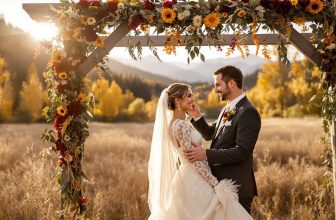
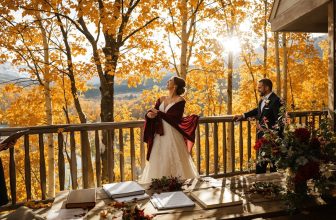
Outdoor ceremony with fall foliage backdrop – Peak leaf color varies by region (mid-September to late October); venue premium 10-20% during peak weekends; backup indoor option recommended; photography golden hour timing ideal: includes typical vendor cost ranges + where fall premiums show up (venue/florals/photo)
If you’re dreaming of an outdoor ceremony with a fall foliage backdrop, brace yourself for some strategic planning. Peak leaf color varies by region, so timing is everything. Expect a 10-20% venue premium during peak weekends, and don’t skip a backup indoor option—Mother Nature’s unpredictable. Your photo ops? Golden hour timing is ideal, capturing breathtaking colors just before sunset. In early fall, aim for ceremonies between 4:30–5:30 PM; late fall shifts to 4:00–5:00 PM, thanks to shorter days. Budget for heated seating or shaded spots to keep guests comfy. And watch out: premiums hit hard on venues, florals, and photography. The golden hour provides soft, golden, and flattering light, making it a favorite time for photographers to capture genuine moments. So, plan smart, and your picturesque fall wedding will be worth every penny—and leaf.
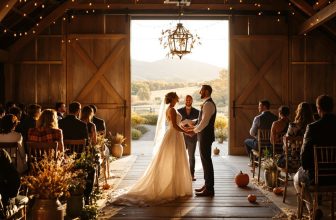
Harvest farm table reception – Farm table rentals $75-$150/table; burlap or linen runners $10-$25; vineyard or barn venues $3,000-$8,000 average; October Saturdays book 12-18 months ahead: includes typical vendor cost ranges + where fall premiums show up (venue/florals/photo)
After soaking in that picture-perfect fall foliage, let’s talk about the heartbeat of your reception: the harvest farm table. These tables aren’t just furniture; they’re a statement. Renting a farm table costs between $75 and $150 each, depending on style and size. Add burlap or linen runners for $10 to $25 to keep things classy yet cozy. Now, about that venue. A vineyard or barn will set you back $3,000 to $8,000 on average. And if you’re eyeing an October Saturday, book 12-18 months in advance—fall premiums are real! Florals and photography often spike in cost during peak season. It’s a balancing act, but with the right planning, your harvest reception will be unforgettable. If your event faces server disruptions, remember that high traffic can lead to a server overload, causing temporary inaccessibility.
S’mores bar or fire pit station – Fire pit rental $150-$300; s’mores supplies $3-$5/guest; blanket favors $8-$15 each; requires outdoor venue with fire permits; October evening events may need heating: includes typical vendor cost ranges + where fall premiums show up (venue/florals/photo)
While a cozy s’mores bar or a crackling fire pit station might seem like the cherry on top of your fall wedding, it’s important to navigate the logistics with a sharp eye. Renting a fire pit will cost you $150-$300, but that’s just the start. Each guest will add $3-$5 for s’mores supplies. And don’t forget about blanket favors—those are $8-$15 each. October events demand evening heating, tacking on $200-$400. Plus, fire permits are non-negotiable, ranging from $50-$200. Booking a s’mores bar package can cater to up to 250 guests and includes a professional attendant, which might be a helpful addition to your event planning. And if you’re booking in October, expect premiums of 15-25%. So, plan your budget wisely. Fall’s charm comes with a price, and being prepared means fewer surprises and more marshmallow-roasting memories.
Jewel-tone velvet bridesmaid dresses – Dresses $100-$250 in emerald, ruby, sapphire; velvet fabric adds luxury look; mix-and-match styles trending; coordinate with copper or gold accessories: includes typical vendor cost ranges + where fall premiums show up (venue/florals/photo)
Choosing jewel-tone velvet bridesmaid dresses for a fall wedding might just be your ticket to a lavish, unforgettable celebration. These dresses, ranging from $100 to $250, come in rich hues like emerald, ruby, and sapphire, adding an extravagant touch to your bridal party. Velvet fabric not only provides a sumptuous look but also aligns perfectly with the mix-and-match trend that’s all the rage. Pair these remarkable dresses with copper or gold accessories for a sophisticated finish. With October now the most popular wedding month in the U.S., couples are increasingly opting for fall weddings to enjoy unique seasonal themes and cooler climates. While dresses themselves might not see a steep fall premium, you’ll find those costs creeping in with venues, florals, and photography. Remember, October’s premium can spike these services by 25-35%. So, plan wisely and don’t let peak season premiums surprise you!
Pie bar instead of wedding cake – Pies $15-$30 each (serves 6-8); variety of 8-10 pies for 100 guests $200-$400; display stands $50-$100 rental; local bakery or family recipes add personal touch: includes typical vendor cost ranges + where fall premiums show up (venue/florals/photo)
Consider ditching the traditional wedding cake for a pie bar. Not only does it save you a chunk of change, but who doesn’t love pie? With pies costing $15-$30 each and serving 6-8 people, you can serve 100 guests with a variety of 8-10 pies costing just $200-$400. Compare that to the hefty $917 average for a wedding cake. Plus, the presentation stands rental runs $50-$100, adding a trendy touch without breaking the bank. Opt for pies from a local bakery or whip up family recipes for a personal flair. And while venues and florals might spike in costs during peak fall, pie ingredients like pumpkin and pecan stay budget-friendly. Pies let you keep it deliciously simple and cost-effective. Guests enjoy desserts that are visually appealing and tasty, making pies a satisfying choice for any wedding celebration.
Copper and rose gold accents – Copper chargers $3-$5 rental; rose gold flatware $2-$4/setting rental; geometric terrariums $10-$20 purchase or $5-$10 rental; coordinates with burgundy/blush florals: includes typical vendor cost ranges + where fall premiums show up (venue/florals/photo)
When you’re planning a fall wedding, copper and rose gold accents can add that perfect touch of elegance and warmth, but let’s talk about the real deal—what it costs and where you might get tripped up with hidden fees. Renting copper chargers will set you back $3-$5 each, and rose gold flatware costs $2-$4 per setting. Multiply that by your guest list, and you’re looking at a pretty penny. Geometric terrariums, ideal for those chic burgundy and blush florals, can be purchased for $10-$20 or rented for half. Handmade satin petals, available in rose gold, copper, rust, and champagne, can also complement your theme and are priced from $6.00 for a sample to $941.00 for 5000 petals. But beware of peak season premiums: venues and florals can hike up prices by 25-35% in October. Planning ahead, like booking in February, can save you from these budget busters.
Cost comparison table: same wedding size in fall vs spring (line-item differences)
Although many people believe spring weddings are cheaper, fall weddings can actually save you money—if you play your cards right. Let’s break it down. Comparing fall and spring weddings of the same size shows some interesting cost differences. Here’s a quick table to emphasize those:
| Season | Average Total Cost |
|---|---|
| Fall | $32,000 |
| Spring | $33,000 |
| October | $33,500 |
| May | $33,900 |
Notice how May is a peak month for spring, rendering it pricier. But guess what? October isn’t far behind with its popularity, adding a premium. Yet, overall, fall saves you $1,000 compared to spring. Smart planners making strategic choices can find opportunities to further reduce costs. Smart planning can transform this season not just stunning, but budget-friendly too. Selecting an off-peak day and time maximizes budget savings, making fall weddings a particularly wise choice for those looking to cut costs.
Where to splurge vs save in fall (heating, lighting, florals, timing)
Let’s face it—fall weddings can be a budgeting minefield, but if you know where to splurge versus save, you’ll come out on top. Focus on these areas:
- Timing: October weddings are trendy but pricey—opt for early November to snag off-season discounts while keeping that autumn charm.
- Heating: If your venue lacks HVAC, be ready to splurge on climate-control rentals, especially for late-fall dates. It’s worth it for guest comfort.
- Lighting: Invest in professional-grade lighting. Avoid cheap venue rentals; spend $1,500-$5,000 for a wow factor with uplighting and string lights. Professional companies provide specialized gear and higher quality equipment, ensuring a memorable ambiance.
- Florals: Save by choosing local, in-season blooms. Vendors provide discounts, making it a no-brainer for budget-conscious couples. When considering bar options, a hosted bar can enhance the guest experience and provide predictable costs, which is ideal for controlling the overall wedding budget.
Smart choices here mean more for your money.
Planning checklist (weather, golden hour timing, indoor backup, guest comfort)
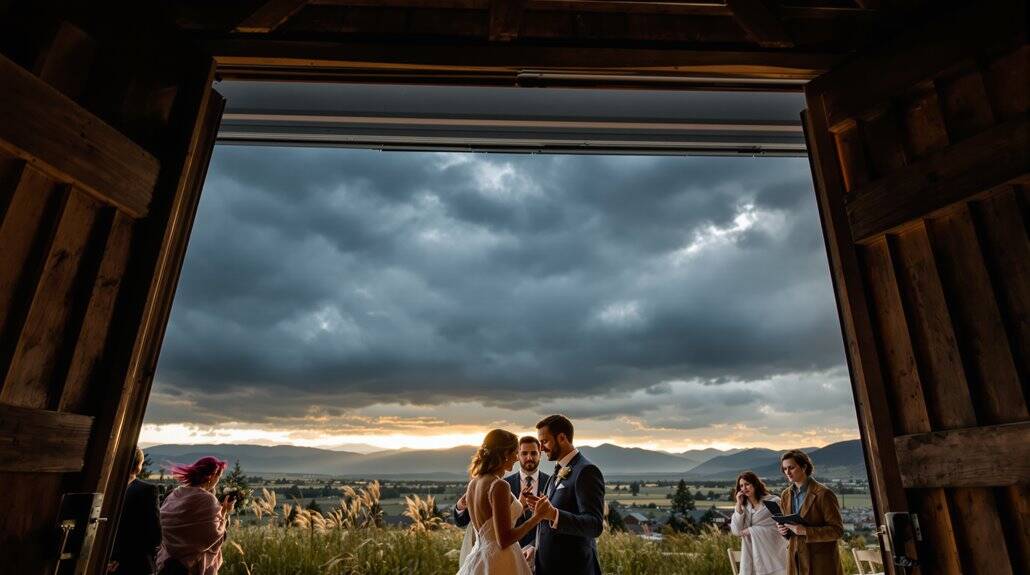
Planning a fall wedding without a solid checklist is like walking a tightrope without a safety net. You’ll need to juggle weather unpredictability, golden hour timing, and guest comfort. Here’s a quick guide:
- Weather Watch: Keep an eye on those unpredictable fall patterns. Outdoor ceremonies are great, but have a solid backup. A rain plan isn’t optional; it’s essential. Event Cancellation Insurance can provide financial protection against unexpected weather disruptions, ensuring peace of mind.
- Golden Hour: Schedule your ceremony 2–3 hours before sunset for ideal lighting. Romantic photos aren’t just about the couple; they’re about timing, too.
- Indoor Backup: Confirm your venue has adequate indoor space and heating. Those lovely fall evenings can get chilly fast. Couples booking fall weddings should expect higher prices and limited availability due to the season’s popularity, so plan well in advance to secure your preferred venue and vendors.
- Guest Comfort: Arrange seating near heaters or covered areas. A warm guest is a happy guest, and happy guests dance more.
FAQ: ‘How much more is fall?’ and best dates to avoid premiums
How much more will a fall wedding cost you? Brace yourself—October weddings can cost 25-35% more due to high demand, while early November is somewhat kinder, only adding 10-15%. But don’t despair; there are ways to dodge these premiums:
- Weekday Weddings: Save up to 40% compared to Saturdays. It’s a no-brainer if you’re flexible.
- Friday Evenings: A sweet spot between weekday and weekend rates, providing savings and long weekends for guests.
- Sunday Celebrations: Typically 20-30% less expensive than Saturday affairs.
- Early November Dates: Capture fall vibes without October’s price tag.
Plan for potential hidden fees, as these can arise unexpectedly and inflate your budget. It’s all about timing, folks. You CAN have that dreamy fall wedding without emptying your bank account. NYC weddings cost significantly more than the national average, but by planning strategically, you can manage expenses effectively.
Important notes (confirm your vendor quotes and policies)
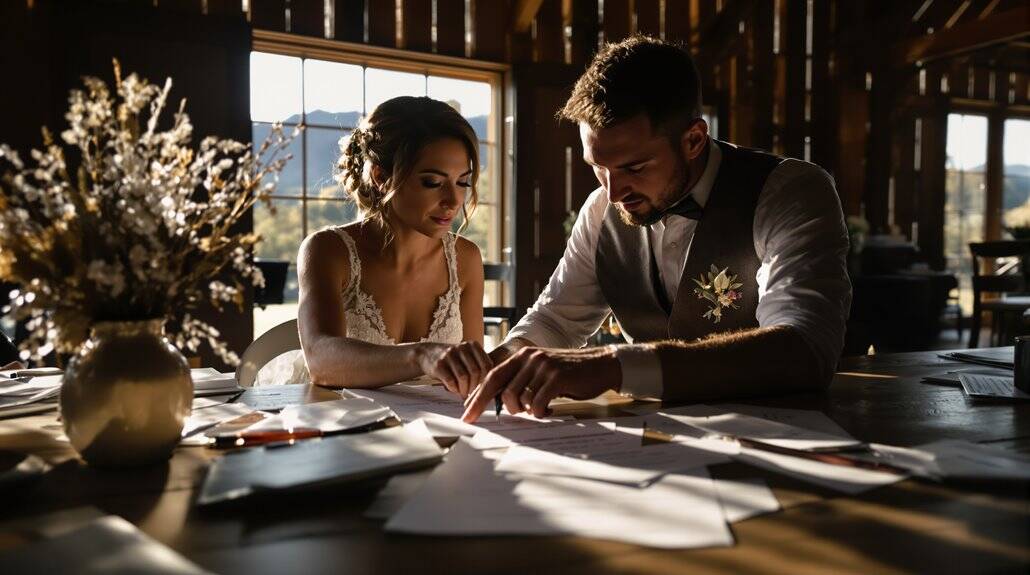
When planning your fall wedding, don’t let unexpected costs catch you off guard. Get those vendor quotes in writing and watch out for sneaky fees that can wreck your budget. Be on the lookout for these common pitfalls:
- Minimums: Some vendors have service minimums that can boost costs if not met.
- Delivery zones: Check if you’re in a free delivery area or if fees apply.
- Rush fees: Last-minute changes can lead to extra charges, so plan ahead.
- Service charges: These can add up quickly, so know what you’re paying for before handing over that deposit.
Utilizing vendors with transparent per-plate pricing can help avoid unpleasant surprises by ensuring all costs are clear and upfront. Scammers use stolen identities, hacked websites, and falsified event details to create fraudulent inquiries, which can result in wasted time and financial losses for vendors. Trust me, a small amount of diligence now saves a lot of headaches later.
Prices vary by region, season, and service level—get itemized quotes in writing
Regardless of how dreamy a fall wedding may sound, here’s a wake-up call: prices can swing wildly depending on where, when, and how you decide to tie the knot. October weddings, for instance, can cost 30% more than those in November. In Manhattan, a 150-guest wedding might set you back $99,452, while Kansas provides budget-friendly options starting at $18,100. Not exactly the same ballpark, right? And don’t overlook those sneaky per-guest costs that could inflate your budget by $241-$295 each time someone RSVPs. Regionality impacts overall wedding expenses, as densely populated cities usually have higher costs compared to smaller towns or rural areas. So, get those itemized quotes in writing. Knowing your venue, catering, and service level costs assists in avoiding any “surprise” bills. Transparent vendor costs are your best friend in keeping your fall wedding dreams realistic.
Watch for minimums, delivery zones, rush fees, and service charges before deposits
Before you dive headfirst into wedding planning bliss, let’s pause for a reality check: those dreamy Pinterest boards often skip the fine print. Vendors have a knack for hiding costs in the details. Watch out for guest count minimums—you’ll pay for absentees. Shipping fees change with distance and timing, hitting you with surcharges for weekend or last-minute orders. Rush fees start at $75 when you’re booking late, and overtime can cost $250-$300 per hour. Service charges, ranging from 18-25%, sneak onto your total without room for negotiation. These cover venue labor and operational expenses, distinct from gratuity. Want to bring in an outside vendor? That might cost you $100-$1,000 extra. Venue contracts often limit creative freedom, requiring careful review to avoid unexpected costs. So, read those contracts carefully!