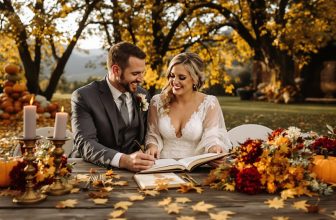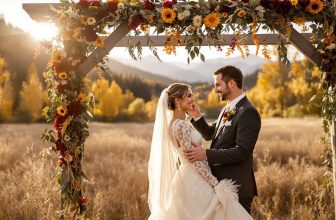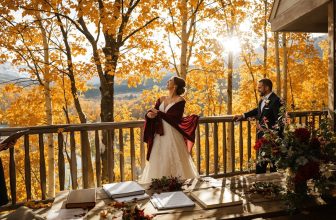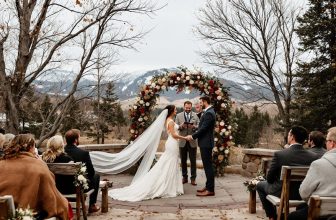
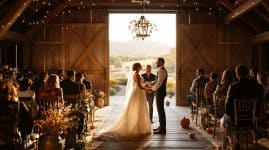
How to Have a Fall Wedding for Under $25,000 (Off-Peak Timing and Budget Strategies)
Want your fall wedding to stay under $25,000? Embrace off-peak savings by getting married on a weekday in early November. Opt for all-inclusive venues and nix some guest list bloat. DIY some decor using seasonal dahlias and hydrangeas to keep florals gorgeous yet simple. You can also go buffet-style for catering – friends are probably more interested in your dance moves than a fancy plated meal anyway. Intrigued? Let’s untangle more budget-friendly wedding tips.
Quick takeaway: a fall wedding under $25K is achievable by choosing off-peak days, simplifying florals, controlling guest count, and using venues with strong inclusions
If you’re dreaming of a fall wedding but cringing at the price tag, don’t worry—it’s totally doable to keep the budget under $25K. With a smart fall wedding budget strategy, you can have an affordable autumn wedding without sacrificing style. Here’s how:
- Choose Off-Peak Days: Opt for early November. It’s less popular, meaning more savings. Plus, weekday weddings save even more cash.
- Simplify Florals: Use seasonal blooms and greenery, which are cheaper and just as breathtaking.
- Control Guest Count: Keep the list tight. Fewer guests mean lower costs for everything from chairs to meals. Many wedding caterers rarely negotiate per-plate prices, so keeping the guest count low is crucial for staying within budget.
- Venues with Strong Inclusions: Pick venues providing package deals that bundle essentials like catering and decor. Understanding regional differences can help in planning, ensuring the chosen date aligns with local off-peak benefits.
Stick to these strategies, and your dream wedding won’t break the bank.
Budget math: $25,000 sample allocations (venue/food, photo, florals, attire, misc)
When you’re trying to plan a fall wedding on a $25,000 budget, every dollar counts, and here’s how you can accomplish it. Your fall wedding budget strategy begins with smart allocations. Venue and food will eat up $9,000–$11,000, thanks to fall cost control savings on off-peak dates. Photography and video come next at $3,500–$4,000, keeping things simple with fewer hours. Flowers and décor? Keep them minimal at $1,500–$2,000. The average cost of a wedding in 2025 is projected to be $36,000, highlighting the importance of strategic budgeting to stay under $25,000. Booking ahead or selecting off-peak times can help reduce expenses significantly, allowing you to allocate more funds towards other essential elements of your wedding.
| Category | Allocation Range |
|---|---|
| Venue + Catering | $9,000–$11,000 |
| Photography | $3,500–$4,000 |
| Flowers | $1,500–$2,000 |
Attire stays reasonable at $1,200–$1,800, while entertainment and rentals should cost around $1,200–$1,500. Invitations are a bargain at $300–$400, and miscellaneous costs like cake and favors round out your fall wedding under $25,000.
Step-by-step: have a fall wedding for under $25,000
You’re determined to have a stunning fall wedding without dropping a small fortune, and I’m here to assist you in achieving that. Focus on strategic decisions like picking value dates and choosing venues with built-in amenities. Here’s a no-nonsense list to guide you through:
- Pick Value Dates: Opt for a Friday or Sunday in early September or late November for major savings.
- Choose Venues with Inclusions: Look for venues that provide tables, chairs, and coordination services to cut rental costs. Consider a venue with a historic ambiance to add charm and character to your wedding without additional decor costs.
- Simplify Florals: Use seasonal flowers and fewer installations to keep your floral budget in check. Confirm with your day-of coordinator to avoid any unexpected floral setup charges.
- Buffet/Family Style Meals: Manage labor and service charges by serving meals buffet-style.
Step 1: pick value dates (Friday/Sunday, early September, late November, daytime)
Let’s be honest, planning a fall wedding without breaking the bank is as tricky as finding a pumpkin spice latte in July. But don’t fret—picking the right date is your first fall wedding budget strategy. Here’s how you can have a budget fall wedding by choosing value dates:
- Avoid Saturdays: Weekdays and Sundays cut costs by 20-30%. Who knew a Friday wedding could actually save you big bucks?
- Late November Magic: Weddings in November are 4.8% below the national average. It’s the secret to an autumn wedding affordable.
- Early September Start: Enjoy fall vibes without the October price hike.
- Daytime Delight: Daytime weddings not only offer natural lighting but also save on venue costs.
Choosing smart dates means more cash for cake! Venue and catering account for 40-45% of total wedding expenses, so selecting off-peak timing can significantly reduce these major costs.
Step 2: choose venues with inclusions (tables/chairs/coordination) to reduce rentals
If you want to keep your fall wedding under $25,000, it’s time to get strategic about your venue choice. Look for venues providing all-inclusive packages. These gems bundle essentials like tables, chairs, and coordination services, saving you from the rental rabbit hole. The Woods at Cedar Springs, for instance, tosses in round tables, padded chairs, and banquet tables at no extra cost. Imagine slashing rental fees by using their custom-built furnishings and outdoor amenities. Plus, venues like Ice House include event coordination and setup services, cutting down costs for additional planners. This fall wedding budget strategy not only reduces expenses but also simplifies planning. Who knew that sticking to a budget fall wedding could come with such perks? Additionally, consider venues located near Louisville that offer comprehensive services, including indoor and outdoor seating options, to further streamline your planning process.
Step 3: simplify florals with seasonal alternatives and fewer installs
While everyone else is scrambling and splurging on out-of-season blooms, you’re about to become a floral genius with budget-friendly fall alternatives. Why pay premium for peonies when dahlias and mums are in season and breathtaking? Embrace these fall favorites to keep your budget in check. Here’s how:
- Choose Seasonal Blooms: Opt for dahlias, mums, and hydrangeas. They’re abundant and cheaper than imported stems like peonies. By selecting flowers that are in season, you can significantly reduce costs associated with transportation and refrigeration.
- Scale Down Installations: Go for partial arch coverage or accent clusters. You’ll save big and still wow your guests.
- Simplify Bouquets: Tier 1 bouquets with standard roses and carnations look lovely and cost just $150–$250.
- Mix Materials: Consider silk or dried flowers for a distinctive touch without the wilting risk. They’re a savvy choice!
Step 4: choose buffet/family style to control labor and service charges
Who says you need a small fortune to serve your guests a memorable meal at your wedding? Embrace buffet or family-style service, and watch those pesky labor costs shrink. Buffets mean fewer servers—no need for a parade of waitstaff juggling plates. Instead, you streamline with minimal staff managing food stations. The self-serve model skips the chaos of plating, saving you on kitchen crew expenses. Family-style presents a middle ground, needing fewer servers than plated meals, but more than buffets. It’s all about balance. Yes, buffets can require 20% more food, but compare that to the high labor and service charges of plated dinners. Buffets offer bulk pricing, reducing per-person costs, allowing you to serve delicious food without breaking the bank. You’re in control, keeping costs predictable and sensible. Who knew saving could taste this good?
Step 5: cap ‘nice-to-haves’ (lighting, specialty rentals) with one hero zone
Let’s face it: weddings can quickly become a bottomless pit for your budget, especially when it comes to those tempting “nice-to-haves” like distinctive lighting and rentals. But here’s a savvy move: focus on a single hero zone. Uplighting is a game-changer. Renting LED uplights can cost as little as $19 per unit if you grab 12 or more. For a mid-sized wedding, expect to spend $1,000–$2,000. It’s dramatic, impactful, and your photos will thank you. Prefer a cozy vibe? String lighting is your go-to, with budget-friendly LED strings at $3–$5 per foot. Prioritize one aspect and cap the rest. You’ll save cash and still dazzle your guests. It’s all about smart choices, not endless spending. Professional companies provide specialized gear and higher quality equipment, ensuring consistent color mixing and effects.
Three example budgets (intimate / standard / larger guest count)
Planning a fall wedding doesn’t mean you have to drain your savings. Whether you’re keeping it cozy or going big, knowing your options can save you a bundle. For a small gathering of 32 guests, think public parks and DIY decor for a sweet $3,700-$5,500. A standard affair with 50 guests might run $15,000-$18,700 if you snag those off-peak discounts. Hosting 125 guests? Brace yourself for $35,000-$40,000. Blame it on the catering costs. Urban areas can see wedding costs average from $47,000 to $60,000, which is significantly higher than rural areas ranging from $25,000 to $29,000. Opting for a barn wedding can add charm, but be mindful of hidden infrastructure costs that can sneak up on your budget.
Here’s a quick look at your options:
| Guest Count | Budget Range | Key Strategy |
|---|---|---|
| Small | $3,700-$5,500 | Public parks, DIY |
| Standard | $15,000-$18,700 | Off-peak discounts |
| Larger | $35,000-$40,000 | Full-service venue |
Choose wisely. Your wallet will thank you.
Common fall budget traps (peak Saturdays, install-heavy florals, heating/tenting)
While autumn weddings provide a picturesque backdrop, they come with hidden budget traps that can sneakily inflate costs. Here’s how to steer clear:
- Peak Saturdays: October Saturdays are popular, and vendors know it. Book 12–18 months in advance or consider less-demanding weekdays to save up to 20%.
- Install-Heavy Florals: Elaborate floral setups can crush your budget. Opt for local, in-season blooms that won’t require expensive installations.
- Tenting Costs: Renting a tent? Be ready for a hefty bill. A 20×40 tent for 80 guests can start at $750, with lighting and heating pushing costs to $5,000+. The rental duration can also influence overall pricing, as longer rentals may incur discounts.
- Heating Systems: Tents need warmth. Heating a 20×40 tent can cost $600–$1,000, adding unexpected expenses if the weather turns chilly. It’s important to consider additional venue rentals like tables, chairs, and lighting, as they are often not included in base pricing.
FAQ: what to cut last and how to keep it feeling elevated
Steering a fall wedding budget can feel like walking a tightrope, but you don’t have to sacrifice style for savings. Focus on what truly elevates your day. Think smart, not extravagant. Here’s how:
- Floral Focus: Keep the ceremony arch or chuppah magnificent—your photo backdrop will thank you. Scale back on bridesmaid bouquets and skip boutonnières for extended family. Consider using grocery store flowers for simple arrangements to keep costs down without compromising on charm.
- Food Flair: Comfort food can be chic. Serve soups and grilled cheese tastefully. A small showcase cake paired with sheet cake works wonders for visual impact.
- Decor Dynamics: Use natural elements like pumpkins and pinecones. Concentrate on 1-2 statement pieces instead of a scattered approach.
- Venue Value: Choose naturally lovely venues. Parks or gardens provide free, breathtaking backdrops, cutting decoration costs considerably. Late October and early November are ideal for a fall wedding, as they offer not only beautiful autumn colors but also reduced prices due to lower demand.
Important notes (confirm your vendor quotes and policies)
You’re planning your dream fall wedding, but don’t get caught off guard by surprise fees that could wreck your budget. It’s critical to confirm every detail in writing, especially when prices fluctuate by region and season. Wedding vendors can be significantly impacted by fraudulent activities, making it crucial for both vendors and couples to be aware of potential scams. Here are some key items to watch out for:
- Itemized Quotes: Make sure you get a detailed breakdown of costs, so you know exactly what you’re paying for—no hidden surprises.
- Minimums and Delivery Zones: Check for minimum order requirements and delivery zone charges that could inflate your bill unexpectedly.
- Rush Fees: If you’re booking last-minute, be prepared for potential rush fees that can add up quickly.
- Service Charges: Verify if service charges are included in the quote or if they’ll be a nasty surprise tacked on later. Consider exploring caterers that offer transparent per-plate pricing to have a clearer understanding of your catering expenses.
Prices vary by region, season, and service level—get itemized quotes in writing
Let’s face it, wedding costs can spiral out of control faster than you can say “I do,” especially when you don’t have a handle on regional, seasonal, and service level price variations. In California, venues can set you back $8,000 to $15,000, while Texas provides more bang for your buck at $6,500 to $11,000. Clearly, where you tie the knot matters. November is your secret weapon for savings—think 10–15% discounts from peak rates. Always get itemized quotes. Your venue quote should break down rental fees, accommodation charges, and facility access. Catering? Demand details on appetizers, dinner, and service staff. For photography, know exactly what’s covered. These specifics keep surprises at bay and your budget intact. Another consideration is the potential financial impact on future investments, as wedding spending can influence decisions like home purchases and family planning.
Watch for minimums, delivery zones, rush fees, and service charges before deposits
Before you hand over that hefty deposit, make sure you’re not blindly signing away your budget to hidden costs. Vendors love sneaking in food and beverage minimums, which means you’ll pay a set amount regardless of your actual guest count. Off-peak days like Mondays can assist in lowering these minimums. Watch for service charges—15-25%—which don’t cover gratuity. Both add up fast. Transportation, setup, and equipment fees can range from $50 to $500+, depending on location. Then there are rush fees for last-minute bookings, starting at $75. They’re practically penalties for being human and not having a crystal ball. That deposit? It’s usually 25-50% and often non-refundable. Review contracts meticulously. Venues implement minimums to ensure venues can cover operational costs, supporting the payment for staff, vendors, and services. Know exactly what you’re paying for, and question everything.