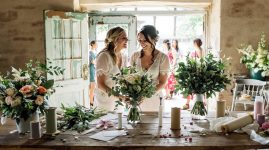
Florist vs. DIY Flowers vs. Grocery Store: Which Delivers Best Value for 150 Guests?
Want to wow 150 guests with flowers without losing your shirt? A florist’s expertise guarantees breathtaking arrangements but can cost an arm and a leg—think $2,000 to $6,000+. DIY cuts costs dramatically, saving up to 80%, but it’s a DIY time-suck with added costs for tools and supplies. Grocery store blooms are cheap ($500-$1,000) but risk wilting before guests arrive. Choose smartly—your sanity and wallet hang in the balance! Discover clever strategies next.
Quick verdict: florist vs DIY vs grocery store flowers—best value for 150 guests?
When it comes to choosing the best value for wedding flowers for 150 guests, the decision isn’t as straightforward as you might hope. You’re caught between three options: florist vs DIY vs grocery store flowers. Each has its own charm and challenges. Here’s a snapshot to guide your decision:
- Cost: Professional florist services range from $2,000 to $6,000+. DIY reduces costs by 30-60%, with expenses around $1,500-$2,000. Grocery store options are cheapest, at $500-$1,000.
- Quality: Florists guarantee exceptional freshness and arrangement. DIY presents variety but risks inconsistency. Grocery flowers often lack both. Professional florists have access to exotic flowers and ensure harmonious designs, which significantly enhances the visual appeal of your wedding.
- Time: Florists save you time; DIY demands hours of labor. Grocery options are quick but limited.
- Customization: Florists excel in customization; DIY provides creative freedom, while grocery flowers present limited options.
At-a-glance comparison: total cost, time, risk, and visual consistency
Let’s break it down: the real costs, time commitments, risks, and the overall look when choosing wedding flowers. Comparing florist vs DIY cost and grocery store flower weddings, each has distinct pros and cons. Consider the table below:
| Floral Option | Key Insights |
|---|---|
| Florist | $3,000-$6,000, pro quality, time-saving |
| DIY | $800-$1,500 plus 20 hours, high stress |
| Grocery Store | $500-$1,000, limited variety, risky |
| Full Coverage | $2,000-$5,000+, lush but costly |
| Aisle Decor | $175+, adds charm, labor-intensive |
Floral sourcing options bring hidden costs: DIY demands time and skill, while grocery finds lack consistency. Florists might seem pricey, but they provide reliability and visual consistency—less stress, more elegance. Additionally, renting flowers can be a cost-effective alternative, saving 50% to 70% compared to fresh arrangements. Choose wisely based on your priorities and capacity for DIY chaos. Professional florists, similar to licensed bartenders, often carry insurance to protect against mishaps, adding peace of mind to your wedding planning.
Option A: professional florist (what you’re paying for and when it’s worth it)
- Expertise and Experience: They know flowers inside and out, ensuring everything from durability to color harmony. A florist’s touch can significantly reduce the risk of unexpected floral mishaps on your big day by offering solutions that are both aesthetic and practical.
- Access to Premium Resources: They secure high-quality blooms through recognized supplier relationships.
- Stress Relief: You’re spared the headache of floral logistics, focusing instead on enjoying your day.
- Custom Arrangement: Tailored creations transform your vision into a remarkable reality. Hiring a professional can be particularly advantageous as professionals bring years of floral design experience, allowing them to anticipate and resolve potential issues effectively.
When contemplating the *florist versus DIY cost*, remember the hidden value: fewer headaches, less stress, and truly memorable floral arrangements.
Option B: DIY (true cost: time, tools, waste, storage, transport)
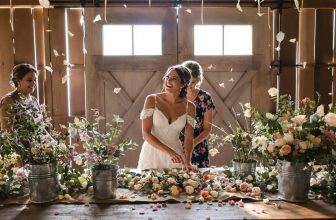
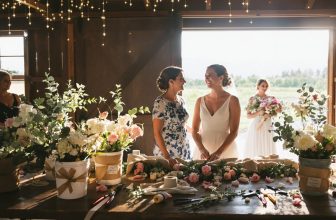
So, you think you’re ready to roll up your sleeves and tackle wedding florals yourself? DIY sounds fun, but let’s talk reality. You’re signing up for a three-day floral marathon. Here’s what you’re really facing:
DIY wedding florals? Prepare for a three-day floral marathon.
- Time Drain: From cutting to arranging, expect at least 20 hours of work. Thursday’s centerpieces, Friday’s bridal bouquets—it’s a commitment.
- Material Mayhem: Minimum $250 bulk order, with flowers costing up to $17.50 per bunch. Savings are real, but so is the clutter.
- Waste Woes: Fresh flowers degrade fast. Prep work is tedious, and cleanup is a mess. Recent world events and supply chain issues have also influenced flower prices, making it important to plan your budget carefully.
- Logistical Nightmares: Transporting fragile arrangements to the venue? Not for the faint-hearted. It’s a lot of work—plan wisely. DIY florals can help reduce per-guest costs, similar to savings seen in barn weddings with larger guest lists.
Option C: grocery/wholesale (best uses + pitfalls)
Grocery store and wholesale flowers are the love-hate relationship of wedding planning. You’ll save a bundle, but brace yourself for limited variety and potential headaches. Here’s the scoop:
- Cost Savings: Wholesale roses are under $1 per stem, compared to $3-5 at a florist. That’s a win for your wallet. Buying in bulk from wholesalers can also reduce packaging waste, contributing to a more eco-friendly event.
- Freshness Factor: Wholesale flowers often arrive fresher due to faster turnover, unlike those grocery blooms that linger too long. Opting for seasonal blooms can also enhance freshness and reduce costs.
- Seasonal Surges: Expect prices to spike during holidays—Valentine’s Day isn’t your wallet’s friend.
- Logistics Nightmare: Imported flowers face airfreight hiccups; think rising costs and delays.
Cost table: realistic totals for 150 guests under each approach
When it comes to planning a wedding for 150 guests, you’re staring down three main floral paths: the professional florist, the DIY route, and the grocery store option. Each has its distinctive price tag and challenges. A professional florist might charge a cool $15,000+, providing first-rate flowers and seamless service—if you can stomach the cost. The DIY approach slashes expenses to around $600-$1,500, but requires a hefty time investment. Meanwhile, grocery store flowers present a budget-friendly $500-$1,000 option, albeit with limited variety. Flowers play a crucial role in transforming the wedding atmosphere, influencing both mood and aesthetics, so understanding the cost breakdown is essential for effective budgeting.
| Approach | Cost Range | Notes |
|---|---|---|
| Professional Florist | $15,000+ | High quality, seamless service |
| DIY | $600–$1,500 | Time-intensive, lower cost |
| Grocery Store | $500–$1,000 | Limited variety, budget-friendly |
Choose wisely for your big day!
Risk management: what happens if stems arrive late, bruise, or wilt?
You’re deep into floral planning, juggling costs and choices, but let’s not forget the lurking menace: what if those breathtaking stems show up late, bruised, or worse, wilted? The risks are real and can wreak havoc on your big day. Consider:
- Perishability Peril: Flowers are fragile, easily bruised, and need climate control. One misstep, and they’re toast.
- Delivery Dangers: Late arrivals do more than frustrate—they can ruin your timeline and mood.
- Damage Drama: Transport mishaps lead to broken blooms. Insurance is a must, but it won’t fix your bouquet.
- Cooler Catastrophes: Equipment failures spell disaster. Imagine showing up to a wedding with wilted arrangements—yikes!
Specialized commercial insurance for flower businesses can provide peace of mind, ensuring that even if mishaps occur, there’s a financial safety net. Manage risks wisely or prepare for floral fiascos.
Hybrid plan: best-of-both strategy (pros handle installs; you handle bud vases)
If you’re thinking about wedding flowers, why not consider a hybrid plan that keeps both your sanity and budget intact? Let the pros tackle the complex installations while you handle the simple bud vases. This approach can save you $1,500–$2,500. Here’s how:
- Professional Labor: Keep the experts on high-impact pieces like arches and hanging installations. They know their stuff and can navigate the global supply chain complexities to get the best blooms.
- Bud Vases: DIY your table centerpieces for $18–$60 per unit, a steal compared to $50–$250 from a florist. Rental costs for garden venues can be high, so saving on flowers can help balance your overall wedding budget.
- Labor Costs: Professionals charge $700–$2,400 for setup. Cutting their work to essentials saves 50%.
- Skill Division: Simple arrangements are DIY-friendly, but big installations? Leave those to the pros.
Make your wedding stunning without breaking the bank!
Educational only: get quotes and factor labor/time before choosing DIY
Before you dive headfirst into the world of DIY wedding flowers, get quotes and consider the labor and time you’re signing up for. Sure, you might save around 60-80% compared to a professional florist, but ask yourself if it’s worth the sweat and stress. Here’s why you should reconsider:
Think twice—DIY wedding flowers could cost you more time and stress than you bargain for.
- Time Crunch: Arranging for 150 guests isn’t a weekend hobby—think 20+ hours of labor.
- Hidden Costs: Floral tools, transportation, and refrigeration aren’t freebies.
- Skill Level: That Pinterest tutorial won’t magically create you a floral artist.
- Stress Factor: Juggling bouquets, centerpieces, and your sanity might not be the best wedding prep.
- Cost Considerations: While DIYing can reduce costs significantly, wholesale prices for flowers still vary widely depending on the type of blooms you choose.
- Additional Expenses: Equipment rentals for flower arranging can significantly add to the costs, much like they do with wedding catering.
Don’t underestimate the pros—sometimes, your peace of mind is priceless.