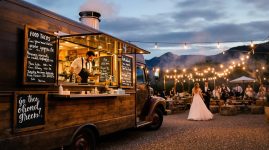
Why Food Truck Minimums Are Higher Than Restaurant Minimums (Vendor Economics)
Hiring a food truck? Brace yourself for higher minimums than restaurants! Blame it on hidden costs—travel, permits, generator fuel—and an opportunity cost of missing peak hours elsewhere, like weddings hogging prime slots. They face logistical headaches, limited storage, and permit hurdles. Managing staffing and menu complexity is a juggling act. It’s not just per-plate math; they’ve got to replace lost revenue. Curious how to navigate these waters and get your money’s worth? Let’s explore further.
Why food truck minimums are higher than restaurant minimums (vendor economics)
When it comes to food trucks and their minimums, you might be scratching your head wondering why they demand a higher guest count than their stationary restaurant cousins. Well, let’s break it down. Food truck minimum requirements are a beast of their own, thanks to their distinctive mobile catering business model. Here’s why:
Higher guest counts are crucial for food trucks due to their unique mobile catering demands.
- Economies of Scale: Food trucks need higher guest counts to render events profitable. Fewer guests mean a financial hit.
- Staffing Needs: Unlike restaurants, trucks can’t shuffle staff around easily, so they need more guests to justify the crew. Restaurants, on the other hand, have the flexibility to shuffle staff between various roles and positions, allowing them to manage fluctuations in guest numbers more efficiently.
- Revenue Replacement: Food trucks sacrifice restaurant revenue for bookings, needing bigger crowds to compensate.
- Event Stacking Issues: They can’t juggle multiple small gigs like brick-and-mortars can.
The hidden costs trucks carry (travel, setup, permits, generator/power, limited windows)
You might think running a food truck is all about whipping up street food magic, but there’s a lot more to it. Hidden costs can sneak up on any food truck owner, making food truck minimum requirements higher than you’d expect for mobile catering minimums. Here’s why:
- Travel Costs: Unlike restaurants, food trucks need to cover fuel and maintenance to bring your favorite bites to events, including weddings.
- Setup and Permits: Each location demands distinct permits and setup time, impacting food truck economics wedding packages.
- Generator/Power: Food trucks rely on generators for power, which means additional fuel and maintenance costs. It is essential to choose the right generator based on power requirements and appliance wattage, ensuring efficiency and cost-effectiveness.
- Limited Service Windows: Trucks have short serving windows, limiting total sales opportunities compared to all-day restaurant operations.
Opportunity cost: a wedding often blocks a prime revenue shift
Ever wonder why food trucks set such high minimums for weddings? It’s all about opportunity cost. When a food truck commits to a wedding, it blocks prime revenue opportunities. Think about it:
- Peak Hours Sacrificed: Weddings often occur during evenings, clashing with dinner service and nightlife revenue windows. Food trucks lose out on these high-earning periods.
- High-Traffic Location Displacement: Leaving bustling urban areas for a wedding means sacrificing steady foot traffic and predictable income.
- Underutilized Capacity: Trucks crafted for rapid service and high volume become less efficient at weddings, where they serve fewer guests.
- Lost Alternative Revenue: With food truck booking minimums, they can’t join festivals or events where sales might spike 20%.
Moreover, food truck catering can save couples up to 50% on catering costs, making it an attractive option for weddings despite the higher minimums. That’s why food truck minimum requirements stay high—they’re protecting their financial stability.
Staffing and speed: what determines how many guests a truck can serve per hour
Let’s get real: food trucks aren’t just about rolling up and dishing out tacos. They’re a mobile kitchen powerhouse balancing staffing and speed, which explains why food truck minimums are high. The food truck guest minimum explained? It’s all about efficiency. You need enough staff to handle the crowd, but not so many that you lose profit. Simplified menus and a buffet-style service boost speed and meet food truck minimum requirements. Food truck weddings offer a unique dining experience that encourages guest interaction, which is a key reason many couples opt for them. Here’s a quick breakdown:
| Factor | Impact on Guests Served | Explanation |
|---|---|---|
| Staffing Levels | Higher throughput | More staff = faster service |
| Menu Complexity | Increased speed | Simple menus = less prep time |
| Service Style | Reduced wait times | Pre-prepared = fast, efficient meals |
Why per-plate math doesn’t translate cleanly to trucks
Although it might seem logical to take the cost-per-plate approach from traditional catering and apply it to food trucks, the math simply doesn’t work out. Here’s why per-plate math stumbles with trucks:
Applying cost-per-plate logic to food trucks falters due to unique logistical and operational challenges.
- Travel Costs: Unlike stationary restaurants, trucks burn fuel and time getting to you. That’s a cost that doesn’t go on your plate.
- Limited Space: Trucks can’t stockpile ingredients like restaurants. This limits their menu and, yep, pushes up costs.
- Event Exclusivity: Food trucks can’t juggle multiple events at once. When they’re with you, they’re with you alone.
- Equipment and Permits: Mobile kitchens need distinctive gear and permits, adding layers of expense, complexity, and stress that don’t pop up in brick-and-mortar eateries. In addition, food truck operators must also comply with minimum wage laws, which can include ensuring that tipped employees earn at least the federal minimum wage when tips and base wages are combined.
In short, food trucks face a distinctive set of challenges that drive up their costs.
How to get value without fighting the minimum (menu design, timing, two-truck strategy)
You might be wondering how to maximize the most out of a food truck booking without butting heads with those pesky guest minimums. It’s not rocket science, and you can optimize value with a few smart strategies.
- Menu Creation: Focus on 5-8 core items. Think tacos or bowls, which provide 65-75% profit margins. Emphasize these high-margin heroes with bold menu layouts. A focused menu not only simplifies kitchen operations but also speeds up service, reducing ingredient waste and enhancing customer satisfaction.
- Timing: Target festivals, business districts, and college campuses during peak hours. Concentrate efforts when demand is highest for maximum impact.
- Two-Truck Strategy: Consider booking two trucks for larger events. It’s efficient and meets guest minimums without sacrificing service speed.
- Upsell Structure: Bundle meals and provide high-margin add-ons like cheese or bacon. It boosts the average ticket size without feeling pushy.
Questions to ask so you understand what the minimum covers
Ever wonder why food trucks have those intimidating guest minimums and what exactly you’re paying for? It’s essential to know where your money’s going. Here are four questions to ask to get a clear picture:
- What’s Included? – Are staffing costs, travel, and setup part of the deal, or will you see surprise fees?
- Minimum Guest Count Justification? – Understand why the number is set at 75 or 100. It often covers off-site logistics that restaurants don’t face. Food trucks often factor in the need for a commissary when setting their minimums, as it is crucial for food storage and preparation.
- Cancellation Policies? – Know the penalties if plans change. You don’t want to be caught off guard.
- Overtime Charges? – Extra time usually means extra costs. Ask how they handle events running late.
These questions will assist you in understanding and justifying those minimums.
Educational only: minimums vary—confirm terms in writing
Let’s get real: food truck minimums aren’t just arbitrary numbers plucked from thin air. They reflect a balance between operational costs and feasible business. Minimums vary greatly, so you need to confirm them in writing—here’s why:
- Supplier Deals: Vendors may have different terms for food trucks than for restaurants, affecting order sizes.
- Travel Costs: Food trucks incur expenses getting to events, which restaurants don’t face.
- Event Size: Trucks can’t profitably handle small events like a restaurant might, so they need minimums to ensure it’s worthwhile.
- Contract Clarity: Each vendor’s terms can vary, so don’t assume anything—get it all in black and white.
Food trucks must also navigate various local regulations to operate legally, which adds complexity to their business operations.