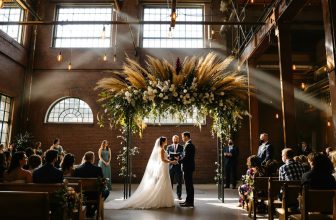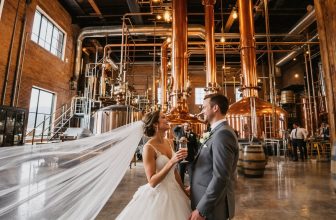

What Non-Traditional Venues Charge (And Why Museums Cost More Than You’d Think)
Thinking about getting married in a non-traditional venue like a museum? Brace yourself for unexpected costs. You’re not just renting space; you’re really buying into risk management: security, preservation, and after-hours staffing costs pile up fast. Museums charge premiums to protect those priceless artifacts you love to gaze at. And let’s not forget union labor rates and those pesky time restrictions. Plus, service fees can tack on another 15-23%. Curious about more budget-friendly hacks and surprises?
Quick takeaway: museums often cost more because you’re renting *risk management* (security + preservation + after-hours staffing)
You’re not just renting a space when you choose a museum as your wedding venue; you’re fundamentally buying into a fortress of risk management. Non-traditional venue costs explained: museums charge a premium not just for their distinctive setting, but for their meticulous risk management services. Here’s why:
- Security: Armed police officers are mandatory at larger venues, with fees scaling based on guest count—from $700 to $1,750.
- After-Hours Staffing: Staff overtime incurs significant costs, as do bartenders whose fees increase with event duration. Directional parking is required for events with over 50 guests, adding another layer of logistical consideration.
- Preservation: Museums demand specialized insurance and damage deposits to protect priceless collections, making even the idea of a champagne spill anxiety-inducing. The preservation fees charged by museums often support conservation efforts and the maintenance of historic artifacts, which can add a considerable amount to your overall budget.
Museums guarantee your event runs smoothly, but it comes at a price.
Non-traditional venue fee types (rental, staffing, security, A/V, permits, exclusivity)
When it comes to non-traditional venues, you’re not just paying for a place to hold your event; you’re steering through a maze of fees that can cause your head to spin. Let’s get some non-traditional venue costs explained. First, rental fees vary wildly—think $300-$2,000+ per hour for warehouses, while vacation rentals charge per night, typically $150-$400. Second, don’t forget about service charges and gratuity, usually 15–23% tacked onto your bill. Third, equipment fees, like A/V and WiFi, sneak in as separate line items. Oh, and permits? Outdoor venues might pass those costs to you, too. These fees pile up quickly, leaving you wondering if exclusivity is worth the price tag. Museums, for example, can charge up to $15,000 in rental fees, not to mention potential hidden costs from required vendor insurance. However, it’s important to note that some uncatered venues allow clients to supply their own food and drinks, potentially reducing overall costs. But hey, at least you’ve got options!
Why museums cost more than you’d think (collections protection, restricted access, union labor, time limits)
Steering through the costs of non-traditional venues can feel like a rollercoaster ride, and museums are no exception. Museum wedding pricing isn’t just about the space; it’s about protecting priceless collections and dealing with union labor. Curious why museums cost more than you’d think? Here’s a peek:
- Collections Protection: You’ll navigate around existing decor and guarantee sound and light don’t harm artifacts. Temporary barriers and coverings are also a must.
- Union Labor: With unionized staff, labor costs have soared. Expect higher wages and benefits driving up prices. Over 30 museums in the US are organizing for unionization, highlighting the importance of fair compensation for cultural workers.
- Restricted Access & Time Limits: Museums often have limited capacity and strict timelines. Events usually start late and wrap up early to protect exhibits and manage operations.
It’s not just a venue; it’s a careful orchestration.
Cost table: typical fee structures by venue type (museum, aquarium, library, rooftop, theater)
Thinking about a museum for your wedding? You’re not alone, and you might be surprised at the museum wedding pricing. Museums, aquariums, and other distinctive venues can enchant, but they’re not cheap.
Here’s a snapshot of typical fee structures by venue:
| Venue Type | Typical Fee Range |
|---|---|
| Museum | $10,000-$20,000 |
| Aquarium | $7,000-$15,000 |
| Library | $2,000-$5,000 |
| Rooftop | $5,000-$12,000 |
| Theater | $4,000-$10,000 |
Why do museums cost so much? Blame the need for after-hours staffing, artifact protection insurance, and climate control. Aquariums and theaters also require specialized maintenance and security. If you’re set on a museum, be ready to pay for these hidden costs. Venues like museums often have minimum guest counts or spending requirements, so be sure to factor this into your budget.
How to get value (choose off-peak, shorten hours, bundle staffing, minimize installs)
You want an awe-inspiring wedding venue without breaking the bank? Let’s explore non-traditional venue costs explained and how you can get more value.
- Choose Off-Peak Times: Weekday events can slash costs by 25-50%. Thursdays are golden—guests are relaxed, unlike Mondays. Book midweek or during off-peak seasons for better rates and fewer competitors. Many venues offer dynamic pricing which adjusts rates based on demand, allowing you to save significantly by selecting times when there is less competition for bookings. Barn venues, for example, often have base costs ranging from $2,500-$5,000, but choosing off-peak times may help in avoiding hidden expenses and additional fees.
- Shorten Event Hours: A shorter event means less venue rental and staffing, cutting down on those hefty overtime bills. Keep it simple, keep it short.
- Bundle Staffing: Cross-train staff to take on multiple roles. Use volunteers for tasks like setup and takedown. Formulate tight timelines to avoid overstaffing and extra costs.
Get inventive with your planning and save where it matters.
Contract clauses to watch (load-in windows, approved vendors, overtime, liability, décor rules)
When planning a wedding at a non-traditional venue, getting more value is great, but don’t overlook the fine print in those contracts. Non-traditional venue costs explained: they’re not just about the space rental. Watch out for these specifics:
Getting more value is great, but don’t overlook the fine print in those contracts.
- Load-In Windows: Confirm you know exactly how much time you have for setup and teardown. Extra fees lurk if you overstay your welcome. Some venues capitalize on hidden fees to increase their revenue, which can catch couples off guard.
- Approved Vendors: Some venues insist on their preferred vendors. If they allow outside vendors, verify they have insurance. Otherwise, expect last-minute approval costs.
- Overtime Fees: Venues love charging extra when things run over. Check if they’ll charge you for minor damages even when they’re responsible. Late fees can protect payroll and discourage extended rental times, ensuring that venues are compensated for any delay in clearing the space.
Read the fine print; it can save you a lot.
Educational only: ask for itemized staffing/security schedules in writing before booking
Before you sign on the dotted line for a non-traditional venue, do yourself a favor—get an itemized staffing and security schedule in writing. It’s essential for understanding non-traditional venue costs explained. Look, security isn’t just about standing guard. You’re paying for certifications, specialized training, and high-tech equipment. Here’s what to ask for:
- Training Details: Confirm security staff have museum-specific training and certifications like First Aid and CPR.
- Staffing Levels: Check how many officers cover galleries, storage, and unique events. Flexibility for weekends and evenings is key.
- Event Protocols: Verify emergency procedures and crowd control measures for high-capacity events.
Ensure you understand insurance risk requirements that might necessitate using experienced vendors to avoid voiding coverage. A vague estimate? No thanks. You need specifics. Trust but verify—your wallet will thank you.
Security services typically charge $40 per hour, so knowing the precise details of what you’re paying for is crucial.