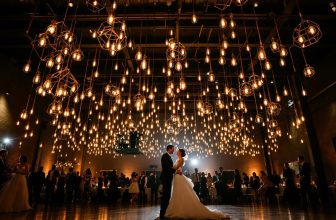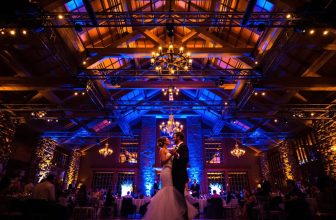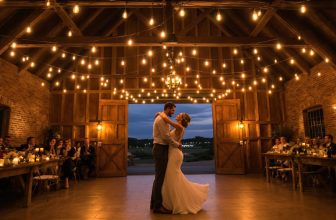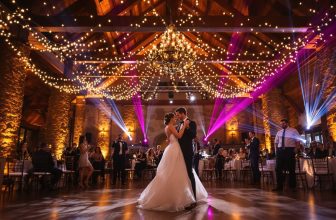
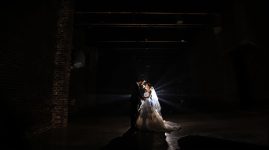
Why Dark Venues Need $3,000+ Lighting (And Bright Venues Need Almost None)
Got a dark venue? Prepare to cough up over $3,000 for lighting. It’s no surprise, really—dark spaces demand a ton of fixtures, skilled labor to set them up, and strict safety compliance. Plus, you’ll need high-quality lighting for clear, vibrant photography and video. Bright venues? A breeze in comparison. They just need some accent lighting to pop. Curious about how slightly more planning can save big bucks on lighting costs? Keep exploring.
Quick takeaway: dark venues need more fixtures and more labor—bright venues can use accents
When you’re planning lighting for a venue, it’s essential to understand that not all spaces are fashioned equal. A venue lighting needs assessment is your first step. Without it, you might end up blowing your venue lighting budget on unnecessary fixtures. Here’s a quick takeaway:
- Dark venues: They demand more fixtures and labor. Think barns with minimal windows. It’s not just about adding light, but ensuring it’s effective ($3,000+). Artificial lighting can also disrupt ecosystems, so choosing eco-conscious solutions is important.
- Bright venues: Ballrooms with chandeliers need less. Just a few accents can enhance the existing brilliance ($800-$1,500).
- Assessment: Evaluate venue lighting requirements based on existing light. Don’t over-light a bright space.
Why dark rooms are expensive (baseline illumination + camera needs + safety)
Think you can skimp on lighting for a dark venue? Think again. Dark venues aren’t just dim; they’re demanding. Without proper lighting, you risk a costly event misfire. Here’s why:
- Baseline Illumination: Dark spaces lack natural light. You’ll need to compensate with extensive lighting setups, often costing $3,000 or more. Venue lighting needs assessment is essential here.
- Camera Needs: Low light means your photos and videos might end up looking like a grainy mess. Extra lighting guarantees clarity and color accuracy.
- Safety: Poorly lit venues can be a safety hazard. Proper lighting reduces the risk of accidents, making certain guests see where they’re going. Additionally, considering the geographic pay variations for lighting services can help in planning and budgeting effectively.
Additionally, the type of equipment affects rental costs, with more sophisticated lighting setups leading to higher expenses, especially in dark venues.
Dark vs. bright venue lighting? It’s clear which venues need lighting the most!
Photography/video angle: why media teams push for more light
Dark venues can be nightmares for photographers and videographers. It’s not just about snapping a photo; it’s about guaranteeing that every detail shines. Here’s why media teams push for more light:
- Sensor Performance: Full-frame sensors thrive with proper illumination. Without it, you’re stuck cranking up the ISO, introducing pesky noise into your shots. A thorough venue lighting needs assessment assists in keeping images crisp. Proper camera and lighting setup can streamline post-production workflows, ensuring high-quality visuals.
- Color Accuracy: To hit professional standards, maintaining high CRI and TLCI is essential. Accurate colors mean less time spent fixing things in post-production—trust us, it’s better this way.
- Dynamic Range: Cameras with 12-14 stop dynamic ranges demand consistent lighting. A venue lighting evaluation guarantees your highlights and shadows are perfectly balanced, justifying the lighting investment by venue.
Cost table: dark venue vs bright venue lighting plans (what changes the quote)
Let’s cut to the chase: lighting costs can vary dramatically depending on whether your venue is a dim cave or a sunlit paradise. A proper venue lighting needs assessment is essential. Dark vs bright venue lighting requirements can change your quote considerably. Here’s a quick breakdown:
| Venue Type | Estimated Lighting Cost |
|---|---|
| Barn (Dark) | $3,000–$6,000 |
| Ballroom (Bright) | $800–$1,500 |
In a dark venue, you’ll pay for more fixtures and labor: think full uplighting, intelligent lighting, even lift rentals. Bright venues? Minimal uplighting or perhaps just a few strategic pin-spots. Venue lighting evaluation considers factors like ceiling height, event duration, and natural light. Don’t over-light a sunlit space; it’s like buying an umbrella for a sunny day. Quality lighting is crucial for showcasing venue, decor, and floral arrangements, making even the darkest venues appear magical. Preferred lighting designers ensure rigging liability regulations compliance, preventing potential safety hazards and costly penalties.
Smart strategy for dark venues (minimum viable lighting that still looks amazing)
You’ve got a barn venue that feels more like a cave than a place to host a memorable event. Don’t let darkness swallow your budget unnecessarily. Here’s a smart strategy to achieve minimum viable lighting that still looks incredible.
- Targeted Illumination: Use step lights and internally illuminated strips to focus light where needed, like on walkways and stairs. This minimizes wasted light and energy.
- Warm Lighting: Choose warm spectrum lights with a color temperature below 3000 Kelvin. They generate an inviting atmosphere without cranking up the lumens.
- Automated Controls: Install motion sensors and dimmer switches. They keep the venue dark during non-use periods and adjust brightness during events, ensuring compliance without excess. Sacramento’s lighting regulations emphasize energy efficiency and aesthetic considerations, making it important to understand local standards when planning your venue’s lighting.
Strategy for bright venues (where to spend: focal points + mood)
While bright venues might seem like a fantasy realized with their dazzling chandeliers and sunlit spaces, they can actually be rather tricky when it comes to lighting strategy. You can’t simply rely on natural brightness; you need a plan. Prioritize strategic lighting to enhance focal points and set the mood. Here’s how:
- Focal Points: Illuminate entryways for unforgettable first impressions. Use accent lighting on dance floors and stages to keep attention where it belongs.
- Mood Lighting: Calibrate color temperatures for atmosphere shifts. Use warm tones for dinner, then switch to cooler tones for dancing.
- Layered Approach: Mix ambient, accent, and spotlighting. This layered architecture creates depth and engagement without over-lighting. In bright venues, effective lighting guides audience attention and highlights key areas, ensuring that the natural brightness enhances rather than detracts from the desired atmosphere.
Questions to ask before booking a dark venue (power, rigging, preferred vendors, curfew)
Ever walked into a venue and thought, “Why’s it so dark in here?” Booking a dark venue can feel like a gamble, but with the right questions, you can turn this gamble into a strategic decision. First, consider the power supply. Does the venue have enough juice to handle your lighting needs, or will you need a generator? Second, check on rigging options. Some venues are all about aesthetics, but if you can’t hang lights, it’s a deal-breaker. Additionally, make sure to inquire whether the lighting products used at the venue are DarkSky Approved, which ensures they minimize light pollution and prioritize environmental protection. Finally, don’t forget the curfew. Nothing kills a vibe faster than a premature shutdown. Here are the essentials you should cover:
- Power Capacity: Can the venue handle your lighting equipment?
- Rigging Points: Are there enough secure options for hanging lights?
- Curfew Restrictions: What’s the venue’s policy on event timing?
Educational only: get a site visit and an itemized quote—needs vary by layout
If you’ve ever thought you could skip a site visit and go straight to booking, think again. Venue layouts can determine or ruin your lighting budget. Without a site visit, you’re shooting in the dark. Here’s why:
- Venue Size Matters: Larger spaces need high-output fixtures to avoid shadows, while smaller stages get by with minimal lighting. Don’t assume one size fits all.
- Ceiling Heights and Infrastructure: Mechanical obstructions and ceiling heights affect light placement. Ignoring these can lead to poor illumination or costly adjustments.
- Power and Natural Light: Outlets and existing ambient light impact where and how much lighting you’ll need. Underestimating power needs can cause equipment failures. Proper lighting is crucial for safety, as dramatic lighting can hinder attendee movement if not positioned correctly. Additionally, it’s important to consider any alcohol service strategies at the event, as these can influence guest flow and lighting requirements.