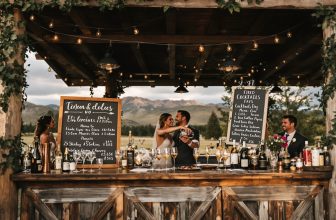

Why Venues Require Licensed Bartenders (And Why DIY Bars Create Liability)
Think you can just have a friend pour drinks at your event? Think again. Venues require licensed bartenders to keep you safe from legal chaos. Unlicensed bartenders can void insurance and spell disaster with lawsuits. DIY bars? A liability minefield with underage service and overservice risks. Licensed bartenders know the techy ins and outs of state laws and come with essential coverage. Curious about avoiding chaos with professional service? Discover how compliance keeps your event blissfully trouble-free.
Quick takeaway: venues require licensed bartenders because alcohol service shifts liability and compliance risk
Let’s cut to the chase—venues demand licensed bartenders because the stakes are just too high to gamble on untrained hands. With about half of U.S. states requiring bartending licenses, you can’t ignore bartending licensing requirements. These licenses guarantee bartenders know state alcohol laws, how to spot fake IDs, and prevent overservice. Encouraging employees to obtain licenses can enhance staff qualifications and ensure compliance. Licensed bartenders also aid in maintaining budget control by accurately managing bar packages and preventing unexpected costs. Why do venues require licensed bartenders? Simply put, bar service liability is a ticking time bomb without them. Unlicensed bartenders void insurance and unveil hosts to lawsuits.
Venues demand licensed bartenders because untrained hands are a liability too risky to ignore.
- Legal compliance: Knowing state laws isn’t optional.
- Liability exposure: One slip, and you’re facing a lawsuit.
- Financial penalties: Fines could tank your business.
- Operational risk: Unlicensed service jeopardizes business continuity.
Licensed bartenders aren’t just a checkbox—they’re your safety net.
Liquor liability in plain English: who can be held responsible (host, venue, bartender)
The stakes are high when it comes to liquor liability. You might think serving drinks at an event is all fun and games until someone gets hurt. Liability is a tangled web, and here’s why venues require licensed bartenders. They’ve got bartending licensing requirements to prevent mishaps. But with DIY bar liability, the risks are yours to keep. Who’s responsible? Let’s break it down:
- Bartender: You serve alcohol, you risk being personally sued.
- Staffing Agency/Caterer: They’re liable for their staff’s actions, thanks to the doctrine of *respondeat superior*.
- Venue: Holds the liquor license and must monitor all alcohol consumption on-site.
- Host/Event Planner: Social host laws can hold you accountable even if you didn’t pour the drink.
Avoid the headache—hire professionals. Understanding state-specific liquor liability insurance requirements is crucial for protecting businesses and avoiding costly mistakes.
Why ‘DIY bars’ trigger red flags (permits, serving minors, overservice, no COI)
When it comes to DIY bars, there are more red flags than a carnival. You might think you’re saving money, but without licensed bartenders, you’re opening a can of worms. Why venues require licensed bartenders? Because unlicensed service means legal headaches. Let’s break it down:
- Permits and Licensing Gaps: Half the states require bartending licenses. DIY bars? Unchecked. Licensed bartenders are required by venues to ensure compliance with local regulations.
- Serving Minors: Professional bartenders follow strict ID protocols. DIY bars? Not so much.
- Overservice: Licensed pros know when to cut off. DIY setups may ignore these signs.
- No Certificate of Insurance (COI): Without insurance, you’re personally liable for mishaps. Understanding event bartender liability defines the legal accountability for alcohol-related incidents, highlighting the importance of having a licensed professional at your event.
DIY bars may seem fun, but the risks are no joke. That’s why professional bartenders are required.
What ‘licensed’ can mean (licensed venue vs licensed staff vs third‑party bar company)
In the wild world of booze, “licensed” isn’t just a fancy word; it’s your safety net. When it comes to licensed venues, they hold the liquor license, and therefore the legal baggage. Licensed bartenders need a certificate, thanks to bartending licensing requirements, ensuring they know who’s too tipsy to serve. Sounds like a hassle? It’s called responsibility. Now, if you’re hiring a third-party bar company, make sure they’ve got bartender insurance needed and meet all the legal fine print. In Connecticut, happy hour promotions are allowed but discounts after 9:00 p.m. are prohibited, which is a key regulation that licensed venues must adhere to when planning events. Transparent pricing in bartending services can help you avoid unexpected costs, like travel fees or equipment rentals.
Here’s a quick breakdown:
| Category | Requirement |
|---|---|
| Licensed Venue | Holds liquor license |
| Licensed Staff | Bartender certificate |
| Third-Party Bar Company | Contracted, needs liability insurance |
| Responsibility | Venue/host bears primary legal responsibility |
Without these, you’re just inviting chaos with a side of court dates. Choose wisely!
Insurance and COI basics (what venues commonly require and why)
Let’s face it, insurance isn’t the most thrilling topic, but it’s a non-negotiable piece of the bartending puzzle. Venues require licensed bartenders because they carry the proper liquor liability insurance, shielding you from financial disaster. Without it, you’re vulnerable to all kinds of nasty legal consequences.
Insurance may be dull, but it’s essential for avoiding financial disaster in bartending.
Here’s why venues insist on licensed bartenders:
- Dram Shop Laws: They hold you accountable if a guest causes harm after drinking.
- Insurance Minimums: Expect coverage of $1,000,000–$2,000,000 per incident.
- COI Verification: Venues need proof of insurance and bartender certifications.
- Vicarious Liability: Unlicensed service puts venues and hosts at risk.
Bartenders have a legal obligation to refuse service to minors ordering alcoholic beverages and to visibly intoxicated individuals. Getting licensed is more than just hoops to jump through—it’s about keeping your event safe and legal.
How to keep costs low while staying compliant (beer/wine only, shorter hours, limited cocktails)
If you’re looking to keep costs low while staying compliant in the chaotic world of alcohol service, focusing on beer and wine might just be your ticket. It’s less about cutting corners and more about smart choices. Opt for a Type 42 license, which skips the need for kitchen facilities and distilled spirits, easing your compliance burden. Beer-only licenses are even simpler, waving goodbye to wine-related headaches. Want to save on hours? Restrict them. You don’t need a 24-hour party. Keep it tight, keep it legal. Consider the importance of understanding local regulations to avoid any unexpected legal issues during your event.
- Type 42 License: No kitchen, no spirits, less hassle.
- Beer-Only License: Simplify further, ditch the wine.
- Shorter Hours: Cut costs, not corners.
- RBS Certification: Non-negotiable, but manageable.
Got it? Good. Now get compliant.
Questions to ask your venue and bar provider (permits, COI, last call, staffing ratios)
Ever wonder why booking a venue feels like maneuvering a legal minefield? Steering through the maze of permits, insurance requirements, and staffing ratios can be intimidating. But fear not, you can simplify this process by asking the right questions. Start with permits—does the venue handle them, or is it all on you? Next, inquire about their Certificate of Insurance (COI). Trust me, you don’t want to find out too late that they’re not covered. Then there’s last call; knowing when the drinks stop flowing can save you headaches. Finally, ask about staffing ratios to guarantee efficient service. Many states also require a bartending license for those serving alcohol, so it’s essential to confirm whether the venue ensures compliance with local alcohol laws. Barn venues may not have all services included, so understanding what is covered upfront is crucial.
Contract clauses to read (service charge vs gratuity, overtime, cancellation, responsibility)
Getting down to the nitty-gritty of contracts is like opening Pandora’s box—except this box is full of potential fees and legal headaches. It’s vital to comb through contract clauses to dodge unpleasant surprises. First, know the difference between service charges and gratuities. Don’t let legal jargon trick you; service charges are not tips. They’re taxable and often not pocketed by bartenders. Second, overtime can mean extra costs if bartenders work late. Third, always check the cancellation policy. Miss a deadline, and you could lose your deposit. Finally, ensure responsibility and liability are crystal clear. You’re not just hiring a bartender; you’re hiring someone who should hold proper insurance and permits.
- Service Charge vs Gratuity
- Overtime Rates
- Cancellation Terms
- Responsibility & Liability
FAQ: common DIY bar myths and safe alternatives
Let’s cut through the fog of confusion surrounding DIY bars and get to the heart of why some popular beliefs are just plain wrong. Think you’ll save money by skipping a licensed bartender? Think again. Unlicensed service means you’re flying without insurance—one slipup, and it’s your wallet on the line. Perhaps you believe friends can manage the bar. Sure, if you’re cool with risking friendships over liability claims. Think homemade setups won’t get noticed? Venues aren’t blind; they know the signs and the risks. Maintaining a clean bar environment enhances safety and enjoyment, so it’s crucial to consider professional help to uphold these standards. When planning an event, understanding venue constraints can prevent unexpected costs and liabilities.
Here are some myths and safer alternatives:
– Myth: DIY bars save money.
Reality: Hidden costs abound.
– Myth: Friends can handle bartending.
Reality: Legal trouble awaits.
– Myth: Venues won’t notice.
Reality: They will.
– Alternative: Hire a pro—it’s worth it.
Educational only: laws, fees, and policies vary—confirm local rules and your contracts before acting
Steering through the maze of bartending laws and fees is like trying to decode an ancient script—confusing, frustrating, and absolutely vital. You can’t just wing it when it comes to serving alcohol. Local rules can vary wildly, and ignoring them could cost you big time. It’s not just about getting a license; it’s about understanding every twist and turn. Serving minors or intoxicated customers is illegal and may result in civil liability, and servers may face lawsuits for damages caused by intoxicated individuals. Businesses must also comply with state or local laws to avoid potential penalties for misrepresentations or violations.
- Licensing Types: Class I and II licenses dictate on-premises or off-premises sales.
- Age Restrictions: Bartenders must be at least 21; servers can be 19 if certified.
- Training: Programs like the Responsible Vendor Program guarantee legal sales.
- Dram Shop Laws: Hold you accountable for overserving and negligence.
Check local rules and contracts. It’s vital.