Why Wedding Videographers Need 8 Weeks Editing (And Why Rush Fees Are Worth It)
Waiting eight weeks for your wedding video may seem excessive, but it’s crucial for a polished product! Imagine meticulously curating footage, syncing audio, and perfecting colors—all taking 20-40 hours per finished hour. Seasonal demands and revisions add time, prompting rush fees from $500 to $1,500 as editors work overtime. This guarantees timely arrival for those can’t-wait moments. Contracts with clear deadlines and revision limits assist in avoiding delays. Curious about when rush fees might actually pay off? Keep going!
Quick takeaway: 8+ weeks is normal—editing is the most labor-heavy part of wedding video
Let’s get one thing straight: waiting 8+ weeks for your wedding video is totally normal, and there’s a solid reason for it. The wedding videography editing timeline might feel like an eternity, but consider this:
- Volume of Footage: Videographers capture between 1-9 hours of footage. Processing this is no small feat. Given that shooting a 12-hour event typically results in over 3 hours of footage, the amount of raw material to sift through can be extensive and time-consuming.
- Labor-Intensive Editing: It takes roughly 20 hours of editing for every 5 hours of raw footage. The video production timeline demands meticulous attention.
- Complexity and Quality: High-quality edits require synchronization across multiple cameras and color balancing, extending the videography turnaround.
These steps guarantee your wedding film isn’t just thrown together. So, before you panic, remember: quality takes time, and rushing might just cost you more.
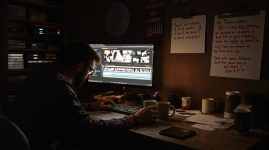
What ‘editing’ really includes (ingest, backup, selects, story edit, audio, color, delivery)
You might be wondering why wedding video editing takes so long, and it’s more than just dragging clips into a timeline. The wedding videography editing timeline involves multiple meticulous stages. Here’s what really happens:
- Ingest & Backup: All footage—whether from cameras, audio recorders, or drones—gets organized and checked for errors. Logical groupings guarantee nothing is lost. A crucial step is creating at least one full backup on a separate drive to prevent data loss.
- Selects & Story Edit: From hours of footage, the best moments are culled and fashioned into a narrative that makes sense. This isn’t a quick process, which is why video editing takes weeks. Many videographers ensure the narrative aligns with the couple’s vision, often going through several revisions to achieve the desired storytelling.
- Audio, Color, & Distribution: Syncing audio, applying color grading, and exporting files in multiple formats assure quality. Videography distribution time is about perfection, not hurry. It’s frustratingly necessary.
Typical timelines by deliverable (teaser, highlight, full film, ceremony/speeches)
While it might feel like you’re waiting forever, understanding the typical timelines for wedding video submissions can make the process slightly more bearable. The wedding videography editing timeline isn’t just about cutting clips; it’s a meticulous skill. Showcase films need 15–40 hours, provided in 2–3 months. Teasers and social media clips slide into the mix, though timelines vary. Full ceremony and speeches films, with their layered audio and angles, also take 2–3 months. Wondering why video editing takes weeks? It’s not just snipping and pasting. If you’re impatient, rush video editing costs might be your ticket, but prepare for $500–$1,500 extra. For those seeking recognition in the industry, entering competitions like the WEVA Creative Excellence Awards can provide exposure and validation for their work.
Why it takes so long (hours per minute of finished film, seasonality, revisions)
Editing wedding videos isn’t a leisurely stroll through memory lane; it’s a marathon with obstacles at every turn. The wedding videography editing timeline demands patience, as creating a polished film involves intricate processes. Here’s why it takes weeks:
- Hours Per Minute: Expect 2-4 hours of editing per finished minute. High-quality edits can consume 40-100+ hours for a complete project. Remarkable, right?
- Seasonality: During peak wedding season, editors juggle multiple projects, stretching timelines from 3-6 weeks. Think of it as editing rush hour. The quality and organization of footage can expedite the editing process, but during busy times, even the most organized projects may face unavoidable delays.
- Revisions: Each change request can add days, if not weeks, to the timeline. It’s like asking a chef to re-cook a dish repeatedly.
Understanding these factors aids in appreciating the time-intensive nature of video editing.
What causes delays (slow approvals, missing music licenses, late vendor media, peak season)
It’s no secret that wedding video edits can drag on longer than we’d like, and there’s a laundry list of reasons why. Let’s face it, delays happen, and they usually boil down to a few key issues:
- Slow Approvals: Couples often take their sweet time giving feedback, especially if they’re on a honeymoon. This can stall the editing process since your videographer can’t move forward without your input.
- Missing Music Licenses: Music isn’t just plug-and-play. Licensing is a must, and when clients don’t furnish selections early, videographers are left scrambling to find legal tracks.
- Late Vendor Media: Waiting on photographers or other vendors for essential footage can feel like watching paint dry. Delays here mean your video can’t be finalized on time. To avoid unexpected expenses, ensure all deliverables are documented and confirmed in writing.
- Editing Timeframe: The rough cut of a wedding video typically takes 2-3 weeks to prepare, as it involves breaking down footage into clips and sequencing them. This detailed process ensures the final product is a polished reflection of your special day.
Rush fees explained: what you’re paying for (overtime, queue jump, extra editor)
If you’ve ever wondered what exactly you’re shelling out for when you opt for rush fees on your wedding video, let’s break it down. You’re not just paying for speed; you’re buying priority. Think of it as a VIP pass for your video. Here’s what rush fees cover:
| Service Component | Explanation |
|---|---|
| Overtime Work | Editors work beyond normal hours to meet deadlines. |
| Queue Jump | Your project leaps ahead, skipping others in line. |
| Extra Editor | Additional staff may be hired to share the workload. |
| Equipment Costs | High-end computers handle rapid processing demands. |
| Opportunity Cost | Videographers decline other gigs for your project. |
The demand for rapid delivery of wedding highlight films within 24 to 48 hours post-wedding continues to rise, as couples increasingly seek immediate sharing of their special moments on social media platforms.
When a rush fee is worth it (and when it’s not)
Ever wonder whether you really need to shell out for a rush fee on your wedding video? Let’s break down when it’s worth it and when it’s not. Rush fees can be justified in these scenarios:
- Immediate Gratification: Need a same-day highlight reel for your reception? The urgency validates the cost, making it a worthy splurge.
- Social Media Savvy: If you’re dying to share your wedding highlights on social media pronto, paying extra guarantees you beat the standard timeline.
- Travel Constraints: Destination weddings often require quicker presentation due to tight travel schedules, making the rush fee a practical choice.
Moreover, videographers often undertake extensive time investment in post-production editing, which can range between 20-40 hours for every hour of final content. However, if none of these apply, stick to the standard timeline. It saves you money and avoids putting unnecessary strain on your videographer.
What to put in the contract (delivery windows, revision limits, rush terms, penalties)
When you’re hammering out a wedding videography contract, it’s crucial to nail down the submission windows, revision limits, rush terms, and penalties. Missing these details? That’s like skipping the vows. Here’s what to include:
- Delivery Windows: Clearly state the timeline from the wedding date to the arrival of the final product. Be specific—no one likes surprises, except possibly the cake flavor.
- Revision Limits: Define how many revisions are included. You don’t want endless back-and-forth over the bouquet toss, do you?
- Rush Terms and Penalties: Specify if rush edits are possible and outline fees. Late payment penalties should deter any “forgotten” checks.
Including these terms ensures that clear expectations are established between you and the videographer, which reduces the likelihood of misunderstandings or surprises. No one enjoys contract drama. Get these right, and you’ll save headaches later.
Email script: ask these questions to get a realistic delivery date in writing
So, you’re ready to lock down that wedding video submission date, but how do you get it in writing without feeling like you’re pulling teeth? It’s all about asking the right questions. Here’s a simple email script to get you started:
- Honeymoon and Personal Schedules: “Could you confirm when you’ll begin post-production work, considering your schedule and any personal commitments?”
- Client Volume and Workload: “How does your current workload and number of bookings affect the expected completion date for our video?”
- Type of Edit Package Selected: “Based on the edit package we’ve chosen, what’s the estimated timeline for completion, including any revision rounds?”
These questions promote clarity and assist in avoiding surprises later. After all, no one likes a mystery timeline. With the high demand for videography services during peak wedding season, understanding a videographer’s current project capacity is crucial to setting realistic delivery expectations. Transparency in wedding photography pricing is becoming increasingly important, with many photographers now providing upfront package details and editing timelines for a stress-free planning experience.
Educational only: timelines vary—confirm your studio’s process and dates in writing
You’ve got your questions ready, but here’s the real kicker: timelines for wedding video editing aren’t one-size-fits-all. Every studio has its own process, and it’s essential to confirm their editing timeline in writing. You don’t want surprises, right? Here’s what affects those timelines:
- Volume of Raw Footage: More footage means more hours spent culling and sequencing. Imagine sifting through 8+ hours of wedding day magic.
- Seasonal Workload: Busy summers mean videographers juggle multiple weddings, slowing down the process. Off-season? Faster turnaround.
- Editing Complexity: More cameras and complex audio work demand more time. Picture syncing vows and speeches to music—it’s no small feat. Great audio quality is essential for video success, so balancing dialogue, music, and ambient sound becomes a meticulous task.