What Wedding Videography Costs Versus Photography (And Why the Gap Exists)
Wedding videography often costs more than photography because it’s more labor-intensive. You’re not just capturing still moments; you’re telling a story with audio and motion. The need for unique gear like drones and multi-camera setups drives up costs. Plus, editing those cinematic reels? That can take double the hours compared to photo editing. So, if you’re weighing options, ask yourself: Will you actually rewatch that wedding video? Stick around to find out how to prioritize your budget wisely.
Quick takeaway: video often costs more because it’s labor-heavy in post and requires audio + storytelling
When it comes to wedding videography, you’re shelling out more bucks because, frankly, it’s a labor-intensive beast. Videography cost factors aren’t just about pointing a camera and pressing record. Let’s explore why video often costs more:
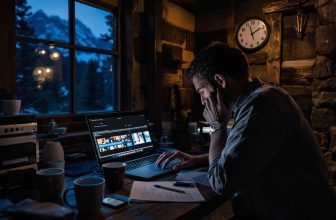
- Post-Production Marathon: Expect videographers to spend 20 hours editing for every 5 hours of footage. Editing is no quick task and involves syncing audio and color correction.
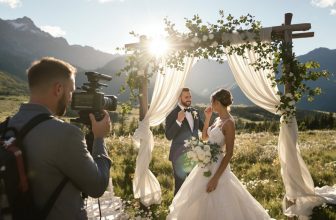
- Equipment Overload: Unlike photography, video demands drones, stabilizers, and multi-camera setups. Guess who foots that bill? You do.
- Audio Mastery: Capturing vows and speeches requires high-quality gear and expertise. It’s not just about looking good; it’s sounding great too.
- Storytelling Magic: Creating a narrative isn’t child’s play. It’s about weaving emotion and moments into a seamless story. Videography captures motion, sound, and emotion, allowing couples to relive their wedding day through an immersive experience.
- Transparent Pricing: Clear pricing is essential to alleviate anxiety over videography costs, allowing couples to focus on planning without guessing games.
At-a-glance: deliverables and labor hours for photo vs video
Now that you know why videography commands a heftier price tag, let’s break down what you actually get for your money and how long it takes to create those picture-perfect memories. In the world of wedding video versus photo pricing, the outputs and labor hours differ greatly. Here’s a quick comparison:
| Photography | Videography |
|---|---|
| 24-30+ editing hours | Considerable editing hours |
| Digital gallery | HD highlight video |
| Engagement session (opt) | Audio of vows/speeches |
| Wedding album (opt) | Teaser video |
Photos yield edited images and digital galleries, while videos present highlight reels and audio integration—more like a mini-movie than a slideshow. Consider your priorities when choosing between these two. Given that destination weddings often incur additional travel and equipment costs, it’s important to factor in potential extra expenses when planning your budget for either service. Wedding photography costs are influenced by numerous factors such as regional variations, coverage hours, and additional deliverables, which all play a role in the overall pricing structure.
Where video costs stack (multi-cam, audio gear, assistant, editing hours)
Let’s get real about where your video budget’s going. In the videography vs photography cost comparison, video costs stack up due to several factors:
Video expenses outpace photography, driven by equipment, staffing, and extensive editing demands.
- Multi-Cam and Equipment Costs: You’ll pay a premium for setups with 3-5 cameras. Each extra camera adds $500-$1,000, so a full setup can hit $2,000-$4,000. That’s a chunk of change.
- Audio Gear: Quality sound isn’t cheap. Basic setups range from $200-$500, while advanced systems can reach $800-$1,500.
- Assistant and Second Shooter Staffing: More hands on deck mean higher costs—think thousands extra for additional shooters. Having a single contact point also simplifies planning and coordination, reducing the possible stress of managing multiple contracts.
- Editing Hours: Editing eats up 20-40 hours, pricing higher than photography’s 8-15 hours. It’s labor-intensive and essential for storytelling. The complexity of editing, combined with the need to manage high traffic volume to the server, can occasionally lead to errors when accessing the final product online.
Where photo costs stack (culling/editing, second shooter, albums, travel)
While we’ve already seen how videography racks up costs with its gear and editing demands, photography has its own set of cost layers that can catch you off guard. Here’s where these costs stack up in a videography vs photography cost comparison:
- Editing and Processing: You might think editing is quick, but professional processing drives up costs. Premium photographers provide advanced editing, which could include an Adobe subscription and platform fees totaling around $2,519 annually.
- Second Shooter: A second shooter isn’t just a luxury; it’s a necessity for thorough coverage. Mid-tier packages often include this.
- Albums and Prints: A custom-designed wedding album isn’t cheap, making this a significant price differentiator.
- Travel and Logistics: Destination weddings come with hidden fees—think travel, lodging, and permits. These extras can quickly inflate your budget. Additionally, seasonal demand significantly affects prices, especially during popular wedding dates and summer.
- Transparency and Trust: Transparent pricing in wedding photography helps couples manage their budget effectively and fosters trust between clients and photographers.
Cost table: typical pricing tiers for photo vs video in the same market/year
When you’re diving into wedding planning, understanding the cost differences between videography and photography can feel like a treasure hunt, minus the map. In the Costa Rica market, you’ll find equal pricing tiers for both services. So, what’s the catch with the videography vs photography cost comparison?
| Tier | Videography | Photography |
|---|---|---|
| Standard | $2,800–$3,500 | $2,800–$3,500 |
| Premium | $3,500–$4,500 | $3,500–$4,500 |
| Luxury | $4,500–$6,000 | $4,500–$6,000 |
Identical pricing, yet videography demands more equipment and time. Editing can take 30-60+ hours—double or triple photography’s workload. You might wonder if that extra cinematic flair is worth the effort and potential costs. Either way, you’re looking at a major investment. Couples typically allocate 10-15% of their total wedding budget to photography, interpreting how significant this expenditure can be in the larger scheme of wedding planning.
How to decide what to prioritize (regret test + what you’ll actually rewatch)
Why do many couples end up regretting not hiring a wedding videographer? Well, 94% of those who skipped videography wished they hadn’t. Why? Your wedding day is a blur, and photos can’t capture everything. Here’s why you might prioritize videography despite the cost comparison:
- Regret Test: Surveys show a high regret rate for not booking videographers. Do you want to join that club?
- Memory Fade: Videos capture sounds and emotions—parental speeches, laughter—details photos miss.
- Rewatchability: Short, story-driven videos are cherished for anniversaries and shared online, unlike dusty photo albums.
- Unique Moments: Videos capture dynamic events and reactions you’ll never witness again. As the importance of wedding videography grows, more couples recognize the value of reliving their special day through motion and sound.
Think about what you’ll actually want to revisit years down the road.
Educational only: packages vary—compare itemized deliverables and turnaround times in writing
Let’s get real: wedding photography and videography packages aren’t just some off-the-shelf products you pick up without a second thought. When comparing videography vs photography cost, it’s essential to understand the outputs and turnaround times in writing. You don’t want surprises on your big day, right? Here’s what to check:
- Photography Outputs: Expect 400–800 edited images, with a 4–8 week turnaround window. Sneak peeks? Usually 5–20 images in 48 hours to 2 weeks.
- Videography Packages: Emphasis reels and full documentaries with 3–6 months turnaround. Revisions? You’ve got two weeks. Cinematic videos typically cost more due to advanced editing techniques, high-end equipment, and additional videographers needed for production.
- Combined Savings: Book both services together and save 15–25%.
- Overtime & Add-ons: Overtime costs $200–$400/hour. Extras like drones? $300–$800 more.
- It’s also helpful to understand standard timelines for delivery, as most photographers deliver full galleries within 4-8 weeks, with 6 weeks being the industry standard.