Why Jewel Tone Linens Cost 2X Standard Linens (And When Overlays Work Better)
Jewel tone linens, like velvet and satin, cost double because of their high-risk inventory, unique dyes, and limited supply. They scream sophistication but can zap your budget with cleaning labor and pesky stain risks. Don’t panic. Overlays step in to save cash. Drape a pop of color on neutral bases—your wallet will thank you. Feel fancy? Splurge on just the head table. Want more ways to get a bang for your buck without sacrificing style? Keep going.
Quick takeaway: jewel tone linens cost ~2X because specialty dyes/fabrics (velvet/satin) have higher inventory risk, cleaning costs, and limited supply—overlays can give color impact with less spend
Let’s cut to the chase: jewel tone linens cost about twice as much as standard options, and it’s not just because they’re prettier. The jewel linen premium is driven by distinctive factors:
Jewel tone linens command a premium price due to specialized dyeing and limited supply.
- Specialty linen pricing: These linens undergo a specialized dye process, making each piece more expensive.
- Inventory risks: Limited stock and higher demand mean higher rental fees.
- Cleaning costs: Keeping these vibrant hues spotless isn’t cheap. Satin provides glamour and is often used in jewel tone linens, contributing to higher costs due to its luxurious feel and maintenance requirements.
- Overlay alternatives: You can achieve a similar look for less by using overlays over standard linens.
- Supply constraints: Jewel tones are in short supply, pushing prices up.
Price table: standard polyester vs satin vs velvet (jewel tones) + common add-ons
So, you’re trying to figure out what type of linens to get for your event? Let’s break it down. Jewel tone linens are pricier, costing 2–4 times more than standard polyester due to unique linen pricing. Why? Jewel linen costs reflect their opulent materials and vibrant dyes. Here’s a brief comparison:
| Linen Type | Cost Range Per Piece | Unique Notes |
|---|---|---|
| Polyester | $5–$15 | Budget-friendly, basic look |
| Satin | $15–$30 | Silk content, glossy finish |
| Velvet | $35–$66 | Rich texture, jewel tones |
And don’t forget common add-ons like napkins ($1–$5 each) and chair covers ($2–$10 each). Sure, it’s a splurge, but those jewel tones might just create an unforgettable experience for your event. White linens, being generally less expensive than colored options, can help balance the budget if used strategically alongside more costly jewel tones.
Why jewel tone linens cost more (inventory, dye lots, stain risk, cleaning labor)
When it comes to jewel tone linens, you’re not just paying for a splash of color. You’re also investing in a high-maintenance diva. Wondering why jewel tone linens cost more? Let’s explore the exclusive linen pricing details.
- Inventory headaches: These linens aren’t mass-produced, meaning rental companies stock fewer, upping your jewel linen costs.
- Dye lot dilemmas: Consistent colors are tricky, requiring pricier processes.
- Stain risk anxiety: Jewel tones show blemishes like a spotlight on a zit, so damage fees rise.
- Cleaning chaos: Opulent fabrics demand careful cleaning, unlike your wash-and-wear polyester. Spun polyester dominates the market because it is cost-effective and easy to maintain, which is not the case for jewel tone linens.
- Replacement roulette: Exclusive fabrics are expensive to replace, driving up rental rates.
You’re not just renting linens. You’re buying into a world of maintenance and exclusivity.
Where the premium hides (napkins, runners, chair ties, delivery/waiver minimums)
Ever wonder where those sneaky extra costs in linen rentals creep in? Let’s break down why jewel tone linens cost more and where unique linen pricing hides. These jewel linen costs aren’t just about the tablecloths:
Jewel tone linens hide costs beyond tablecloths, adding sneaky expenses to your event budget.
- Napkins: While standard polyester napkins run $0.40-$1.00, unique options like satin cost more, though specifics are murky.
- Table Runners: Expect a $5-$30 range, with unique fabrics driving prices up.
- Chair Covers and Sashes: Banquet covers start at $2, but unique sashes add another $1-$5.
- Delivery and Setup: Sometimes included, these can surprise you with extra fees.
- Regional Differences: Urban locales and peak seasons spell higher costs. Local rental companies often offer competitive pricing and personalized service, so it might be worth exploring these options to find the best deal.
- Service styles such as plated dinners can influence the overall cost, as they require more staffing compared to buffet services.
Unique linens can be a budget buster if you’re not careful. Keep an eye on these hidden extras!
When overlays are better value (neutral base + colored overlay; head table upgrade only)
If you’re trying to produce a splash without drowning your budget, consider the beauty of overlays. They let you enjoy the luxury look of jewel tones without the hefty unique linen pricing. Why do jewel tone linens cost more? Custom dyes, limited availability, and higher demand. But overlays provide a smart, cost-benefit applied to a neutral base.
Here’s why they’re a better value:
- Neutral base linens: $10–$30 per piece, stable pricing year-round.
- Sheer overlays: $50 per table for vibrant color without full replacement.
- Combined cost: $74 per table, compared to $50–$100 for full-colored linens.
- Head table focus: Maximize impact where it matters, saving 40-60% overall.
- Versatile usage: Neutral bases adapt to any future color scheme.
Custom linens can significantly enhance the aesthetic of a wedding reception, adding another layer of detail to the décor. Why pay more when you can overlay?
Overlay options comparison (sheer organza, velvet overlay, runner-only, napkin-only)
Choosing the right overlay can transform your table from drab to fab without breaking the bank. Sheer organza overlays float elegantly, perfect for intimate atmospheres, while velvet overlays add opulence and texture. Jewel tone linens cost more due to specialty linen pricing, but overlays like runners or napkins provide that pop of color at a fraction of jewel linen costs. They’re a savvy choice when you want the look without the hefty price. Ensure overlays complement table size for a cohesive appearance.
| Overlay Type | Characteristics |
|---|---|
| Sheer Organza | Lightweight, translucent, intimate |
| Velvet Overlay | Opulent, textured, seamless edges |
| Satin/Matte-Poly | Subtle sheen, wrinkle-resistant |
| Sequin Overlay | High-gloss, visual impact |
| Runner/Napkin-Only | Affordable color accent |
Opt for overlays to achieve high-end aesthetics without the high-end price tag.
Design hacks: get the jewel tone look with fewer specialty pieces
Why splurge on jewel tone linens for every table when you can create a bold statement just at the head table? Keep guest tables neutral and let the rich colors pop with strategic accents. Use these clever hacks to get vibrant looks without emptying your wallet:
- Colored glassware: Adds sparkle and depth without committing to pricey linens.
- Candles: Jewel-toned candles offer instant mood and color saturation.
- Menus: Printed with rich hues, they double as decor and conversation starters.
- Napkins: A small pop of color with jewel-toned napkins can create a big impact.
- Chair sashes: Tie the look together with sashes in deep, opulent tones.
Focus your efforts where they count and watch your event transform with minimal fuss. Opt for materials like silk and velvet to enhance the jewel tones and ensure a luxurious feel.
Put color on head table only; keep guest tables neutral
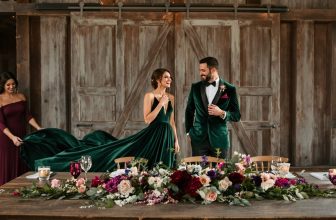
Let’s face it, weddings are expensive, and when it comes to decor, costs can skyrocket faster than you can say “I do.” But here’s a nifty trick to splash some jewel-toned elegance onto your big day without draining your wallet: focus your colored linens on the head table and keep the guest tables neutral. Why do jewel tone linens cost more? Unique linen pricing is driven by intricate dye processes and limited availability. So, instead of spending $2,250-$3,750 on jewel-toned linens for everyone, embrace a linen overlay strategy. Use breathtaking colors on the head table to form a striking focal point. This way, you save up to 40% and still achieve a luxe look, keeping the rest simple yet sophisticated. Plus, using jewel tones at the head table can enhance the intimate dining experience for the newlyweds, creating a vibrant, personalized setting amidst the wedding celebration.
Use colored glass/candles/menus for saturation instead of full linens
While you’re embracing the idea of jewel tones at the head table, let’s tackle another budget-friendly strategy for the rest of your wedding decor. Jewel tone linens cost more because they involve distinctive dye processes and limited availability, making their pricing soar. But don’t let unique linen pricing blow your budget. Instead, consider using colored glassware and candles, which can supply the rich, vibrant look of jewel linens without the hefty jewel linen costs. Renting glassware simplifies the planning process, ensuring you have the desired vibrant pieces available without the hassle of storage post-celebration. Imagine the charm of a table adorned with colorful tapers and trendy glassware. These elements not only add personality but also serve as focal points. Skip the full linens and opt for these chic accents—your wallet (and guests) will thank you. Practical, stylish, and budget-savvy—what’s not to love?
Questions to ask your rental company (damage waiver, stain policy, delivery windows, substitutions)
Steering through the labyrinth of rental agreements for your event can feel like a Herculean task, can’t it? Here’s how to render it manageable. Before signing on the dotted line, ask your rental company about:
Navigating event rental agreements can be daunting; ensure clarity on key terms before committing.
- Damage Waivers: Understand what’s covered. Most waivers won’t protect against theft or negligence.
- Stain Policy: Clarify how linens should be returned. Light stains are usually not a problem, but improper care can cost you.
- Delivery Windows: Know when items will arrive and who’s responsible once they do. Adherence to policies ensures that logistics are managed effectively, so make sure you fully understand the company’s expectations.
- Last-Minute Changes: Some companies charge hefty fees for changes within 72 hours. Plan ahead.
- Substitutions: Unique order items often have strict no-change policies. Confirm flexibility.
These questions guarantee you’re prepared, avoiding unexpected pitfalls.
FAQ: do jewel tone linens photograph darker? how to avoid muddy colors
Ever wonder why your jewel tone linens sometimes look darker in photos? It’s all about how those deep, saturated pigments interact with lighting. But don’t worry, you can keep them looking vibrant and avoid muddy colors. Here’s how:
- Choose the right lighting: Jewel tones thrive under natural or balanced studio lighting.
- Avoid excessive mixing: Stick to a limited palette to maintain color purity.
- Mind your color pairings: Complementary colors like red-green can cancel each other out, leading to dullness.
- Control light intensity: Guarantee light and shadows complement each other to prevent muddiness.
- Maintain clean tools: Use separate brushes for different tones to avoid unintentional blending.
Jewel tones are camera-friendly and vibrant, creating a polished look that draws attention to the subject.
Important notes (confirm your local vendor pricing and venue rules)
You can’t just assume your linen budget is set in stone when costs fluctuate with the seasons, the market, and your guest count. Ensure you get those itemized quotes in writing, and trust me, you’ll want to ask about these critical details before transferring any deposits:
- Transportation zones—because who doesn’t love surprise fees?
- Damage waivers—because accidents happen, and linens aren’t indestructible.
- Substitutions—what if your first choice isn’t available?
- Minimum order quantities—are you renting for a wedding or a small army?
- Venue rules—because your venue might have some “friendly” restrictions.
Stay sharp, and save yourself from costly surprises. During high-demand seasons, such as weddings and holidays, linen rental prices can increase, so being aware of these fluctuations is essential for effective planning. It’s also vital to confirm availability of indoor backup spaces at your venue to avoid last-minute stress when weather conditions are unpredictable.
Costs vary by season, market, and guest count—get itemized quotes in writing
When it comes to renting linens for your event, the costs can swing wildly based on the season, your location, and how many guests you’re hosting. In peak seasons, like weddings or holiday gatherings, expect prices to climb thanks to high demand. Off-peak, you might snag a deal, saving up to 20% with early reservations. Location matters, too—city markets may charge more than rural areas. And, yes, the guest count can also play a role in pricing, as vendors often use sliding scales for larger parties. The key takeaway? Don’t leave it to chance. Get itemized quotes in writing to avoid any unpleasant surprises. After all, who wants to find out they’ve paid top dollar because they didn’t ask the right questions? Additionally, renting linens generally involves lower upfront costs compared to purchasing, which can be a budget-friendly solution for event planners.
Ask about delivery zones, damage waivers, substitutions, and minimums before deposits
Planning an event and renting linens is not just about picking colors and fabrics; it’s a strategic game. Before you transfer that deposit, ask your vendor about shipping zones. Is there a mileage cap before fees skyrocket? Damage waivers are vital—what happens if a guest accidentally spills wine on that jewel-toned beauty? Don’t assume substitutions are a certainty; clarify if they’ll swap your chosen linens if stock runs short. Minimum orders can sneak up on you—ensure you’re not blindsided by unexpected costs or order requirements. Deposits are tricky; confirm if they’re refundable and under what conditions. Urban areas generally have higher rental prices due to demand and operational costs, so be sure to factor in your location when budgeting for your event. It’s not just a transaction; it’s a dance with details. Get informed, save money, and avoid avoidable headaches.